
WASH project completed with support from Alstom Foundation
/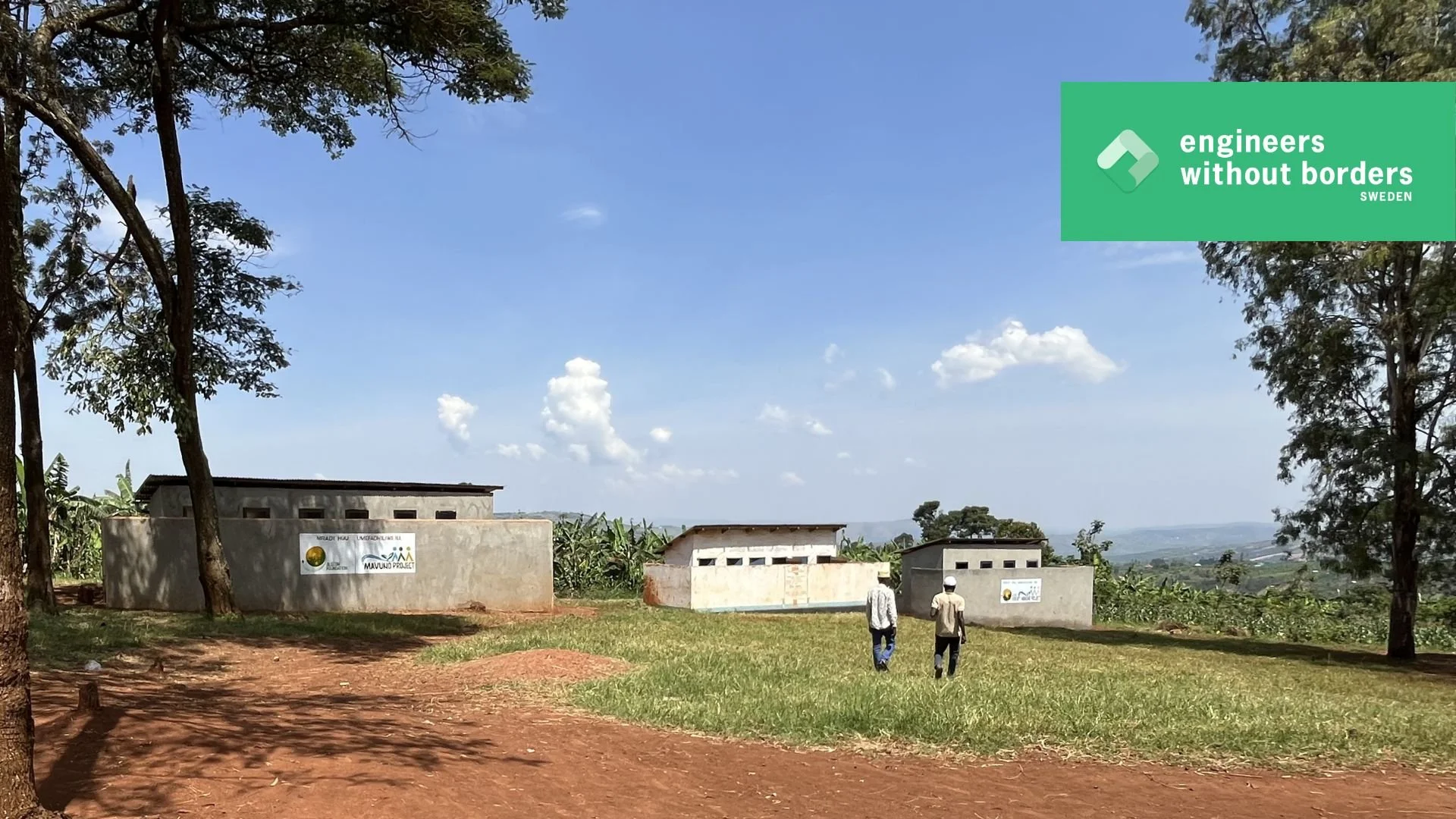
Ecosan toilets and menstruation facilities
What happens when funding, engineering expertise and local knowledge come together? In Tanzania, it means safer water, better sanitation and more supportive learning environments for thousands of schoolchildren.
We are pleased to announce the completion of a WASH project carried out with our local partner Mavuno Project, with support from Alstom Foundation.
Alstom foundation logo
Improving conditions for 4,700 students
Limited access to clean water, sanitation and hygiene can affect children’s health, school attendance and ability to learn. The project addressed these challenges across five schools, reaching around 4,700 students.
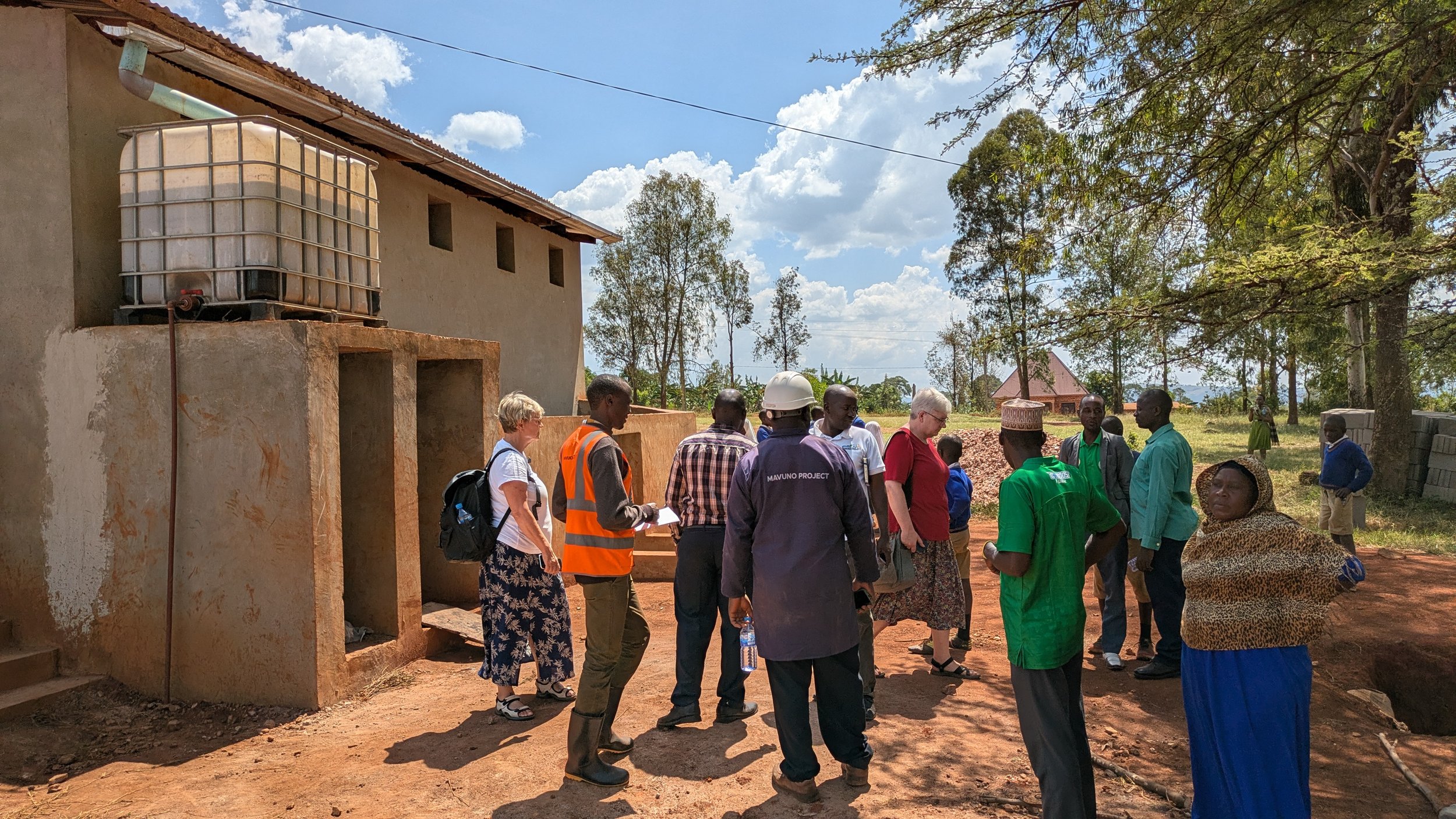
At Ndama and Nyakabila Primary Schools, two rainwater harvesting tanks equipped with UV filtration systems now provide safe and reliable drinking water for more than 1,500 students and teachers.
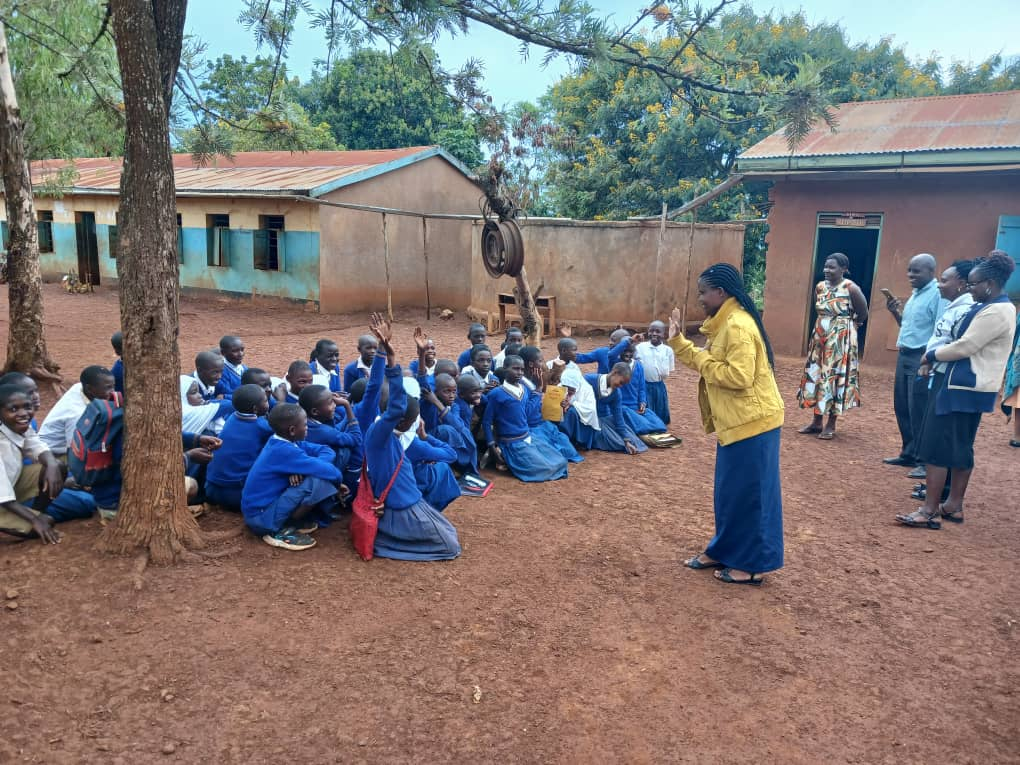
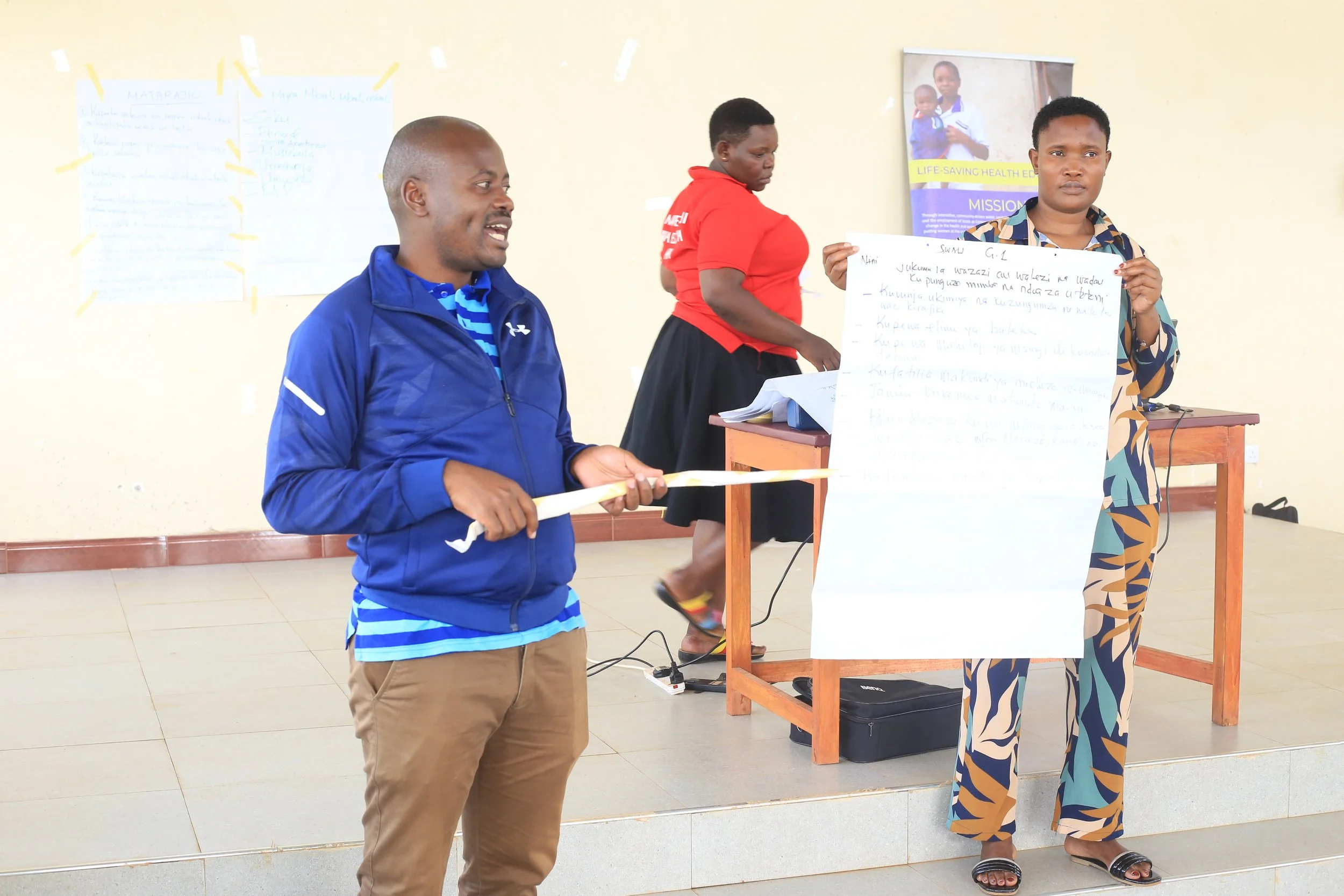
health club training session for students.
The impact is already visible. At Nyakabila, the number of students missing school each week due to waterborne illnesses fell from an average of 15 to just 1 after the tank was installed. At Ndama, absences fell from 25 to 10.
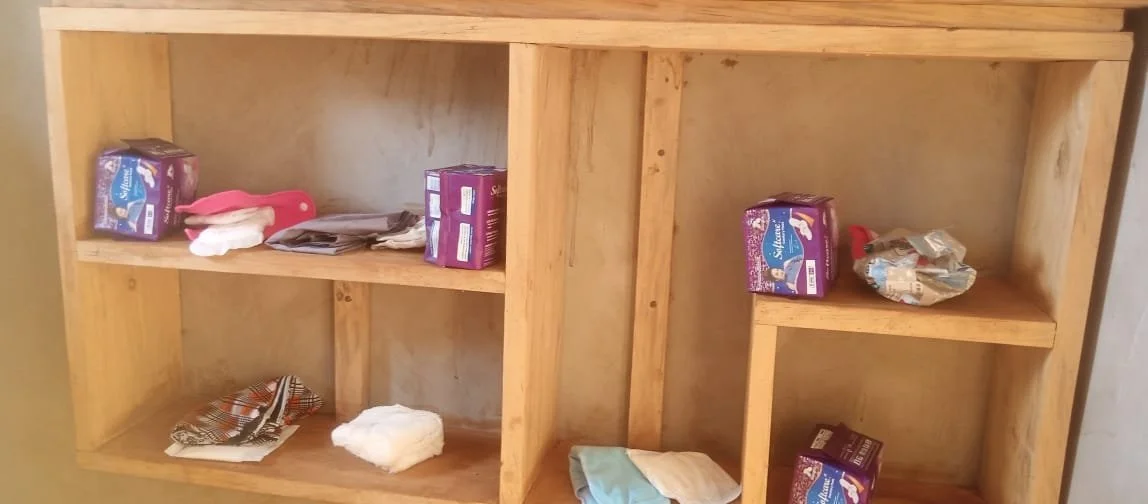
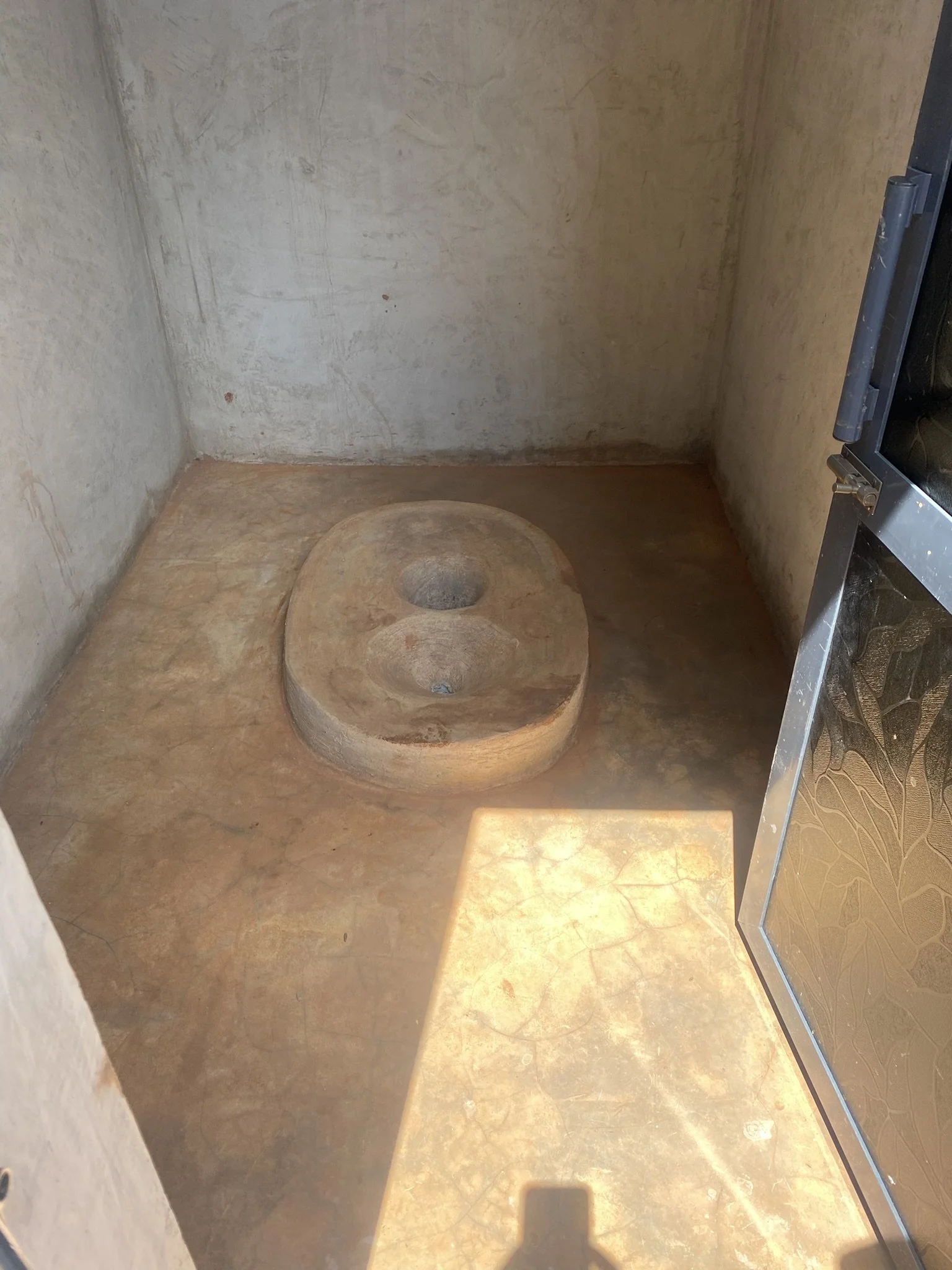
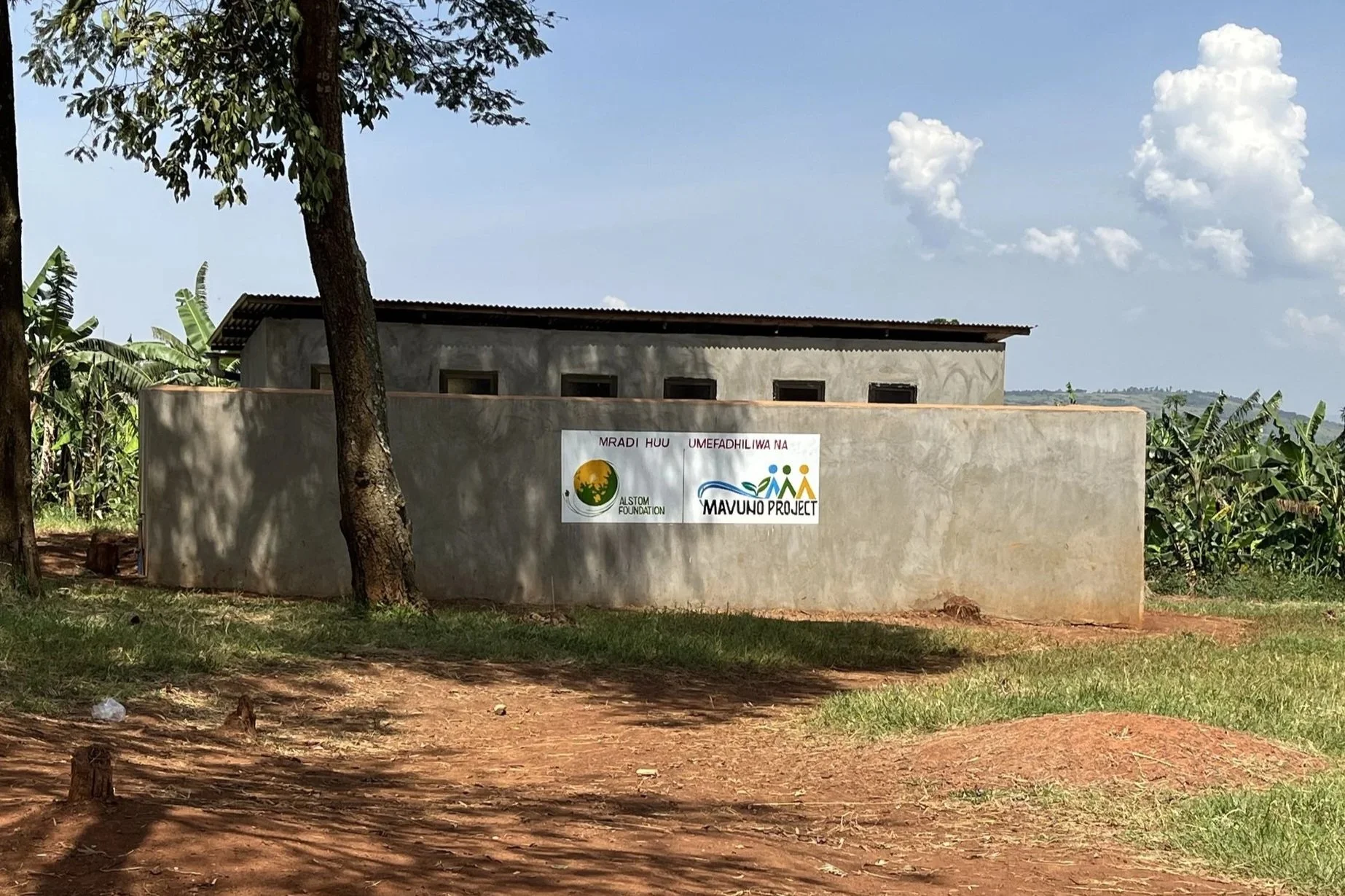
The project also improved access to sanitation. 40 EcoSan toilets were constructed at two schools, benefiting around 1,900 students, while two menstrual hygiene rooms provide girls with a private and supportive space to manage their periods at school.
According to the schools, the menstrual health facilities have helped reduce truancy and enabled girls to remain in class during their periods. One school also reported improved academic results following the project, with the Standard Seven pass rate increasing from 61% to 68% and the Standard Four pass rate from 75% to 96%.
Creating change that lasts
Infrastructure is only part of the solution. To support lasting change, the project also focused on knowledge, awareness and local ownership.
In total, 4,700 students, 70 teachers and 500 other stakeholders took part in WASH and menstrual health awareness and capacity-building activities. WASH and menstrual health clubs were also established in all five schools, creating structures that can continue the work beyond the project period.
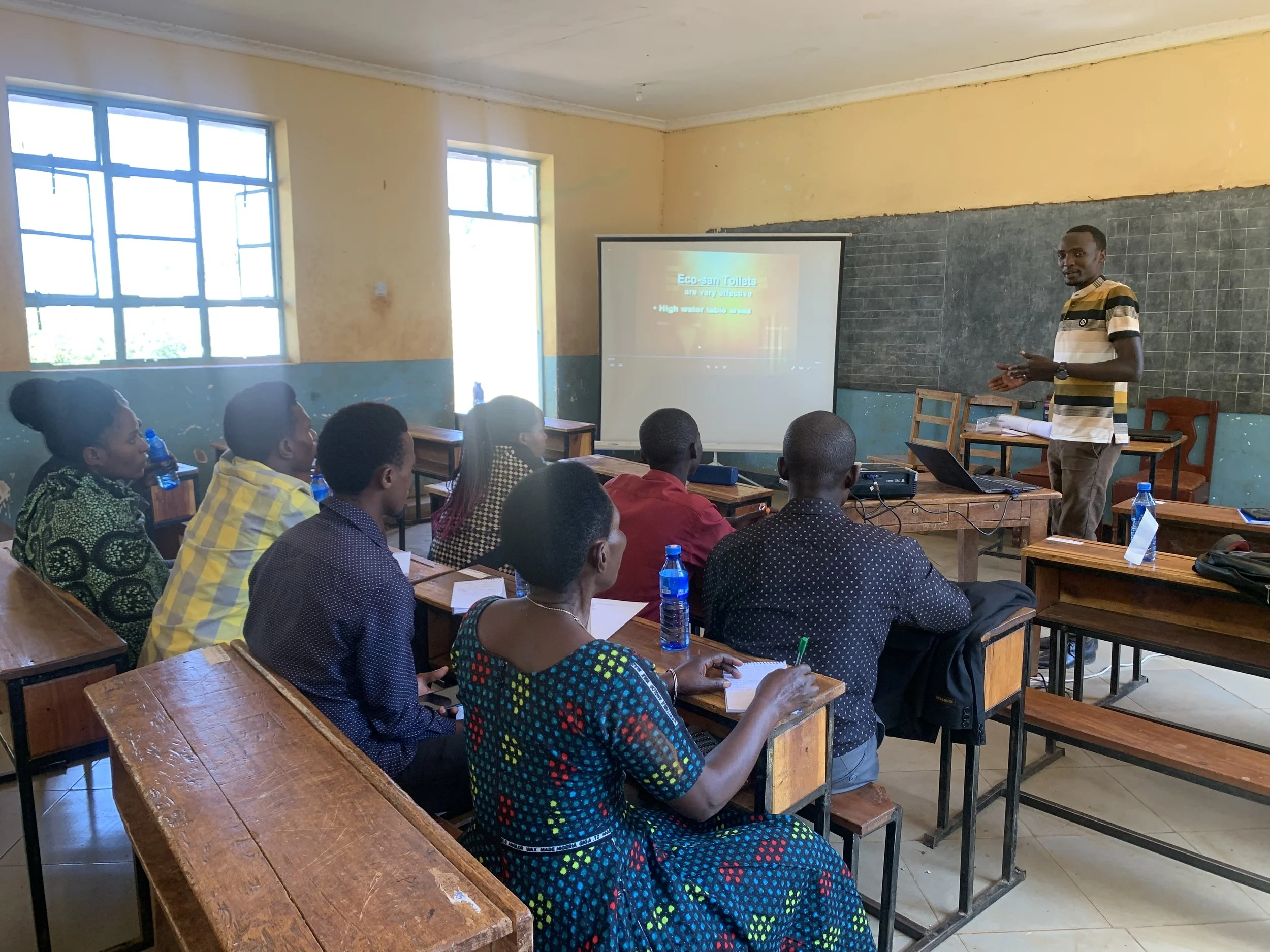

The potential of corporate partnerships
The project demonstrates what can be achieved when financial support is combined with engineering expertise and strong local partnerships. The solutions developed through the project also have potential to be adapted and applied in other schools across East Africa and beyond.
We are deeply grateful to the Alstom Foundation for making this work possible.
This project may be complete, but the need remains. Thousands of children are still waiting for access to safe water, sanitation and the conditions they need to thrive.
Corporate partnerships can play an important role in creating healthier learning environments, strengthening educational opportunities and supporting sustainable solutions where they are needed most.
Interested in supporting sustainable engineering projects with us?
Get in touch to explore how your company can contribute.