Local partnership in practice – learnings from Karagwe and Kyerwa
/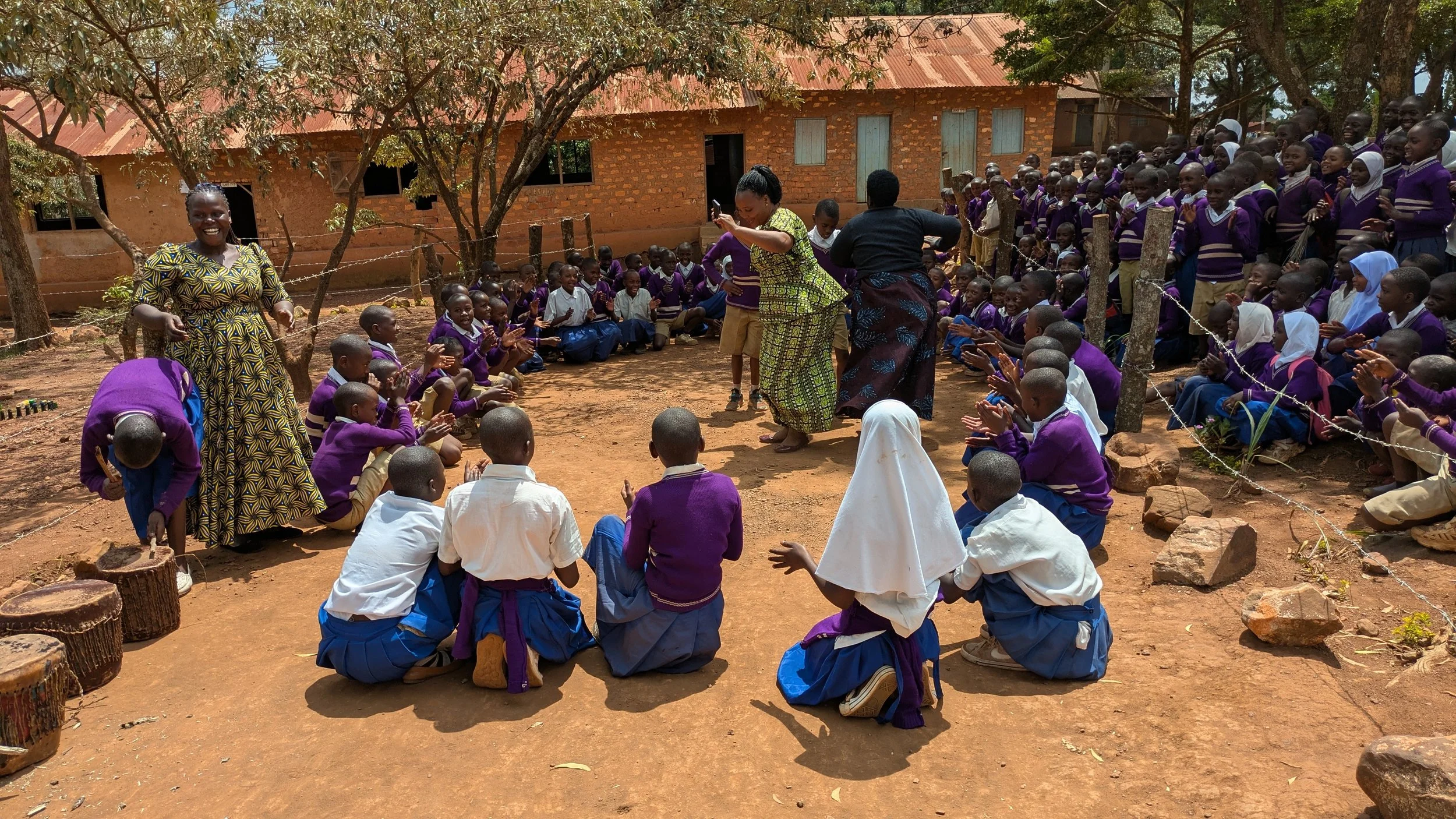
Students and teachers dancing at Nyakabila Primary School in Nyakasimbi. Photo: Mavuno Project
Recently, our Secretary General Marianne Grauers and Head of International Projects Susanne Hurtig visited the Karagwe and Kyerwa districts in north-western Tanzania. Together with our long-term partner, Mavuno Project, they met teachers, students and community members to learn more about the work taking place in local communities.
Again and again, one message became clear; meaningful development depends on strong local partnerships and decisions rooted in the community itself.
Local knowledge guiding the work
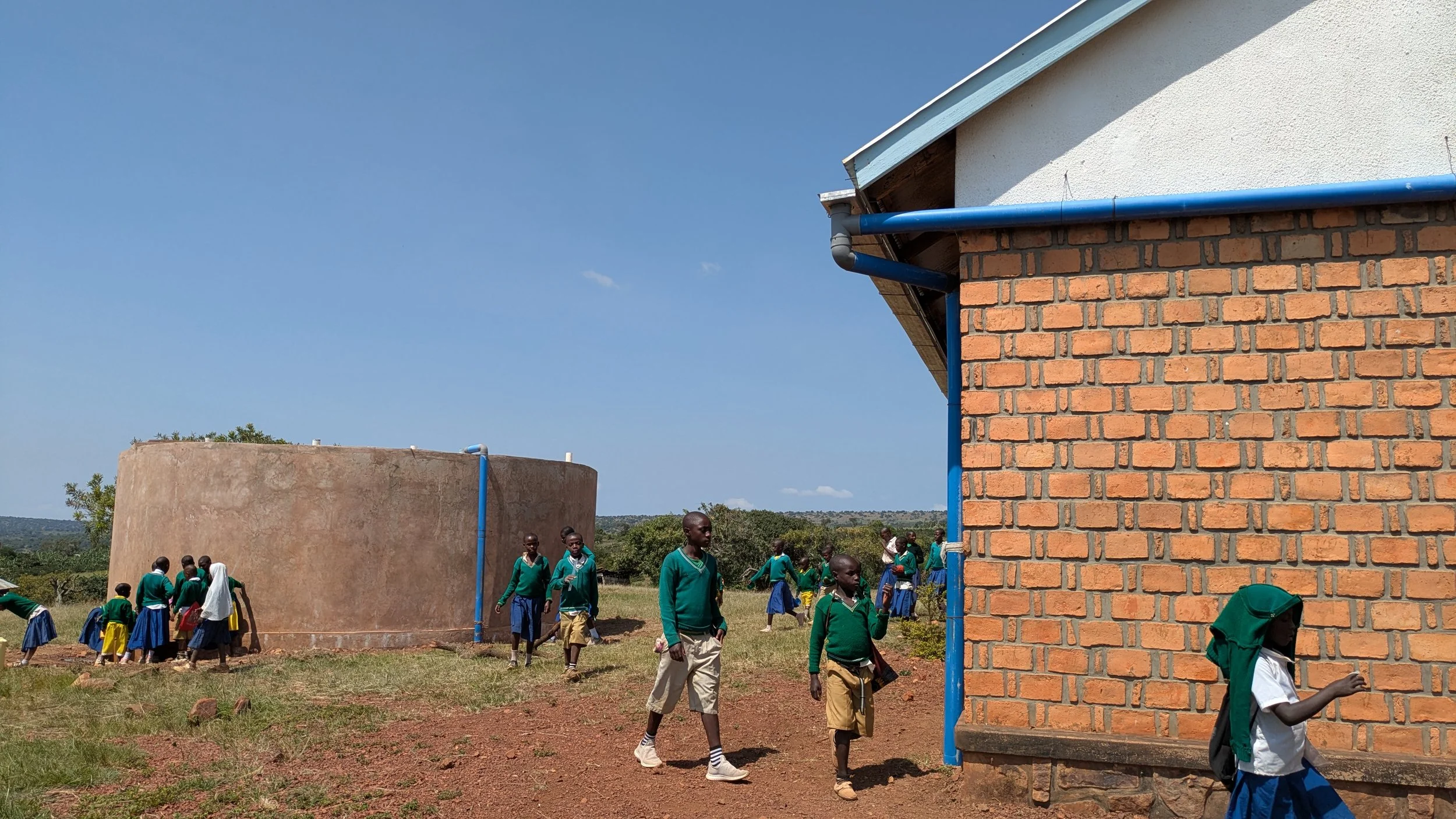
A rain harvesting tank at Ndama Primary School, similar to the one in Rukole. Photo: Mavuno Project
Mavuno Project has worked in the region for many years and plays a central role in identifying local needs and priorities. Rather than outside actors deciding what should be done, community representatives from surrounding villages participate in a democratic process to discuss challenges and agree on solutions. This approach ensures that projects respond to real needs and that the people who will use them are also involved in shaping them.
At Rukole Primary School, this local process led to the installation of a water tank eight years ago. The school is located in an area without reliable plumbing, and access to clean water had long been a challenge.
Today, the tank provides clean water for the school’s 1,300 students. It also makes it possible to prepare a daily serving of warm maize porridge. For many children, it is the only warm meal they receive during the day. The water tank is maintained by the school and the surrounding community. Their responsibility for the project has ensured that it continues to function years later, serving new groups of students every term.
Listening to different experiences in education
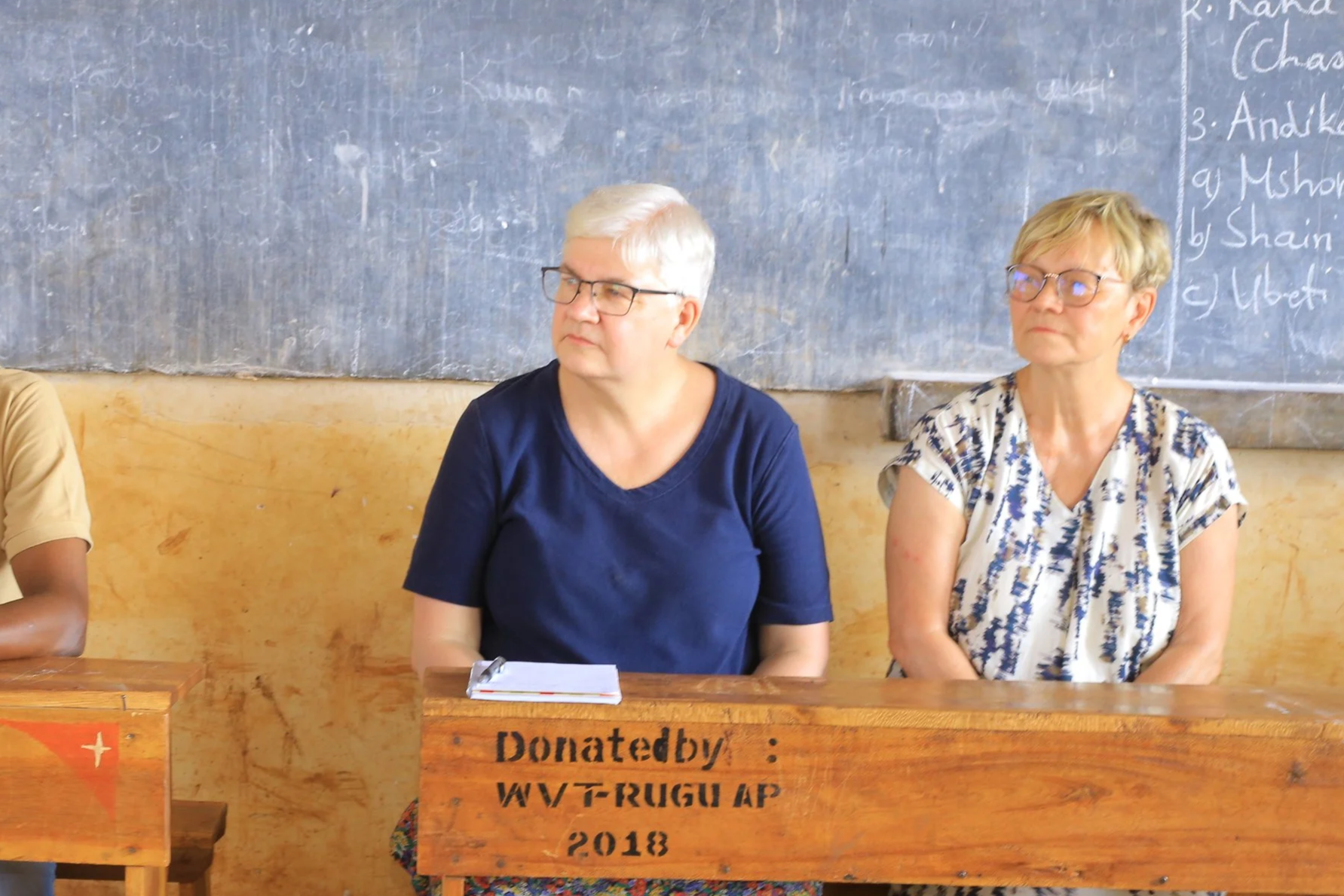
Marianne Grauers, Secretary General, and Susanne Hurtig, Head of International projects, during a school visit. Photo: Mavuno Project
In recent years, many initiatives in the region have rightly focused on improving opportunities for girls’ education. These efforts have helped address long-standing gender inequalities and have enabled more girls to remain in school.
At the same time, boys face challenges of their own. In a region with nearly 30 secondary schools, there are few boarding options for boys. Four students between the ages of 13 and 19 shared how long travel distances and limited support can make continuing their studies difficult.
– They spoke about their ambitions to complete their education and support their families in the future, but also about the uncertainty they feel when opportunities seem out of reach, says Susanne Hurtig.
These conversations highlighted the importance of continuing to listen to young people themselves and ensuring that support systems reflect the realities faced by all students.
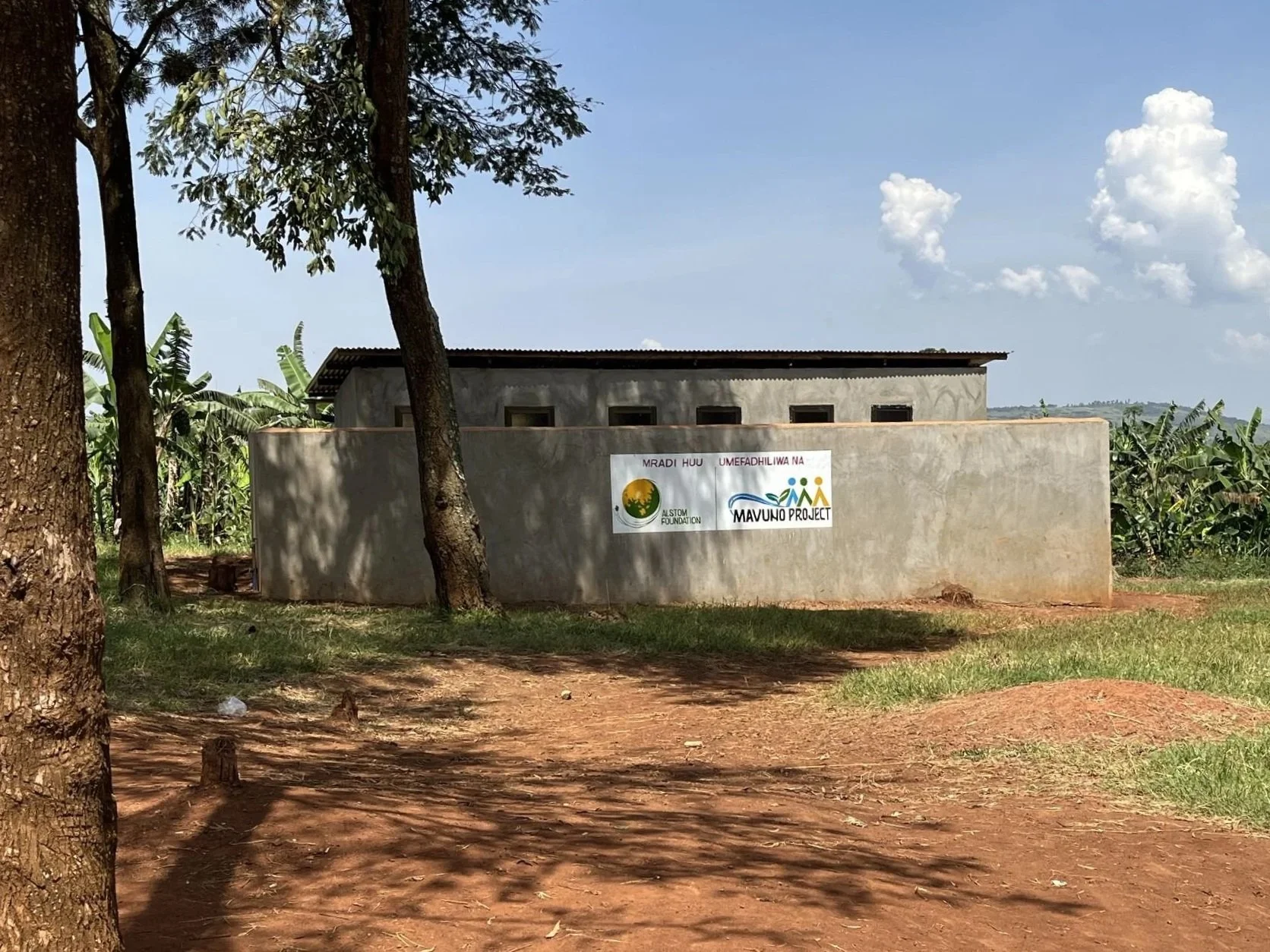
EcoSan toilet and menstruation rooms allows students, especially girls, to attend school safely.
Changing attitudes around girls’ health
At schools in the villages of Itera and Chania, another area of work is addressing an issue that has often been surrounded by silence: menstruation.
Through collaboration with Mavuno Project, schools have built EcoSan toilets that include private “period rooms” where girls can wash and change reusable pads. At the same time, school clubs bring boys and girls together to talk openly about hygiene and health.
Including everyone in these discussions helps reduce stigma and misunderstanding, making it easier for girls to attend school throughout the month.
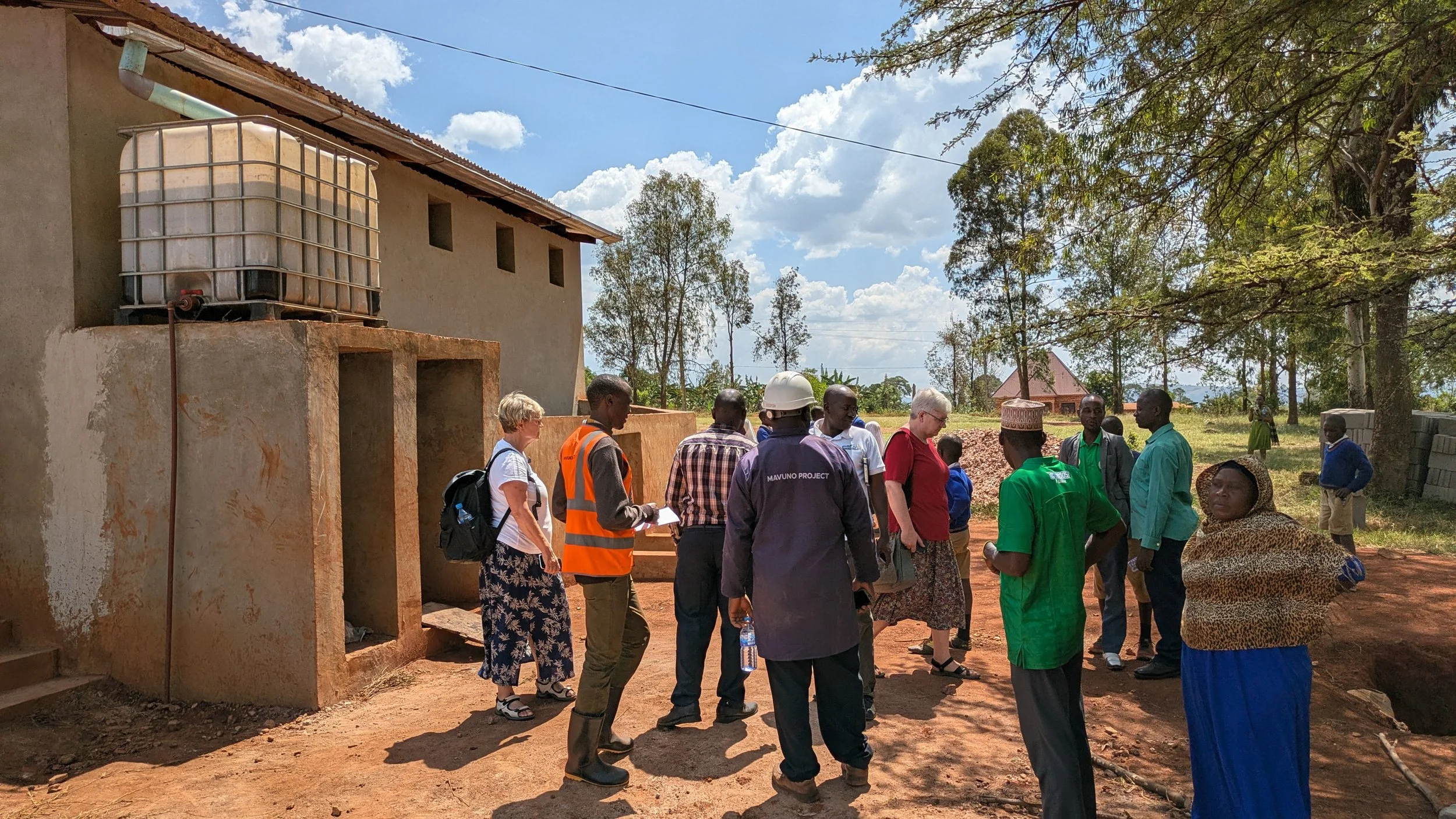
Photo: Mavuno Project
A shared effort
The visit to Karagwe and Kyerwa was a reminder that development is rarely about individual projects or processes alone. It is about long-term relationships, shared responsibility and trust.
Working together with a local partner like Mavuno Project means that initiatives are grounded in local knowledge and supported by the communities they are meant to serve. When communities themselves take ownership of projects, in maintaining infrastructure, shaping priorities and participating in decisions, the results are more likely to last.
– This visit reinforced our conviction that progress comes from partnership. Listening to local voices, learning together and supporting solutions that communities can carry forward themselves is key for long-term success, says Marianne Grauers.
International Projects

At the heart of our international projects is a desire to make a real difference. Our aim is to provide the resources and know-how to transform lives, strengthen communities and meet basic human needs.
Support Us

We rely on the support of our members, volunteers, partners and donors to realize our work. Every donation helps us engineering sustainable solutions for the communities we engage in. Thank you for your contribution!