
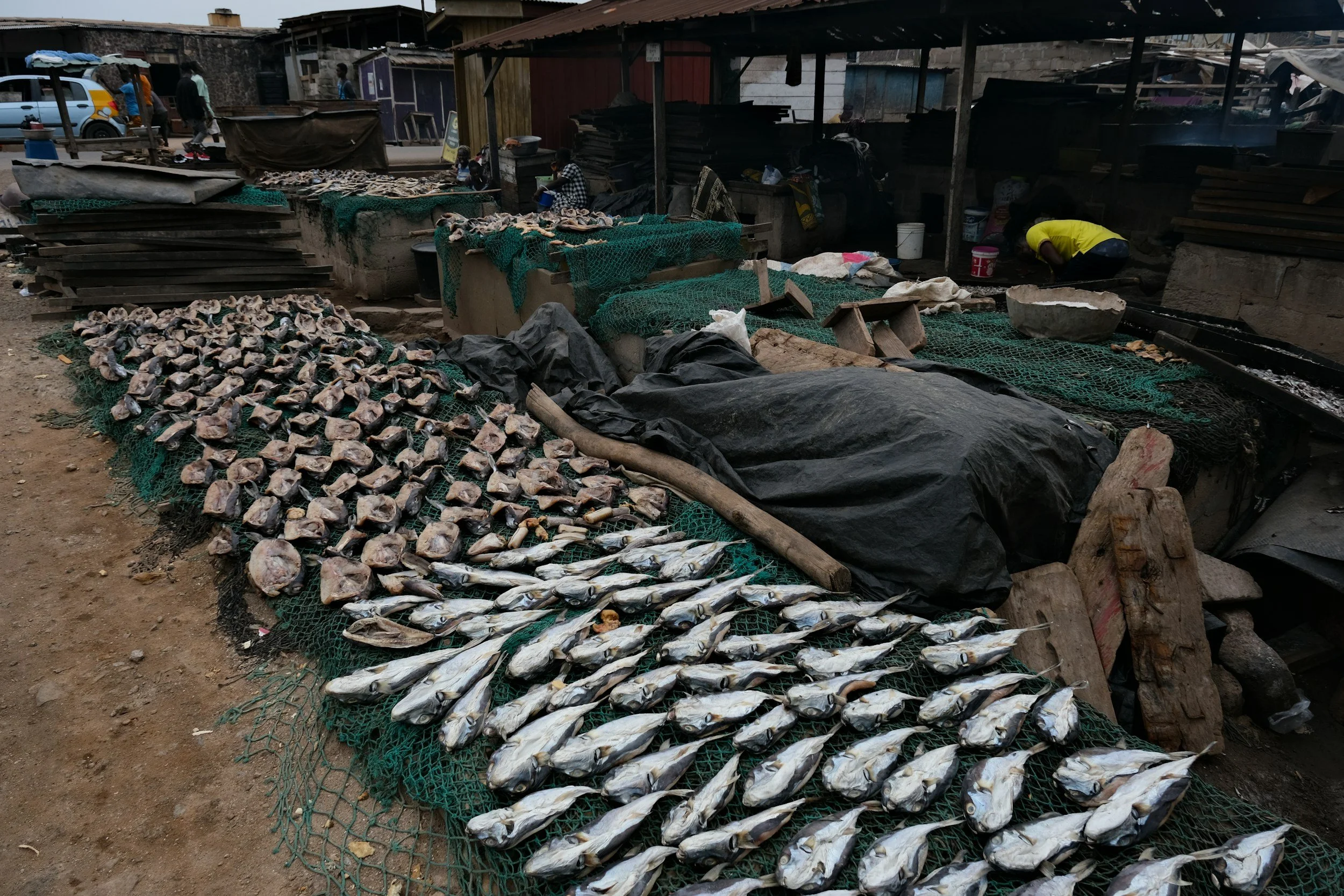
Clean energy and a safer environment for female fishing workers by Homa Bay, Kenya
The fishing communities of Lake Victoria are currently trapped in a cycle of dwindling fish stocks, environmental pollution and systemic inequality. By integrating renewable energy solutions with waste management, this project addresses the intersection of environmental degradation, economic instability and public health in Kenya’s Lake Victoria region.
Together with the local organization Aid the Needy Organization (ATNO), we are transforming environmental challenges into economical possibilities. ATNO is a community-based organization in Kenya that supports vulnerable groups, especially in rural areas around Lake Victoria. The organization works to empower women and youth, implement health interventions including HIV education, and promote sustainable environmental initiatives. ATNO also works with clean energy and waste management solutions to create new incomes and increase community resilience.
What We Are Achieving Together
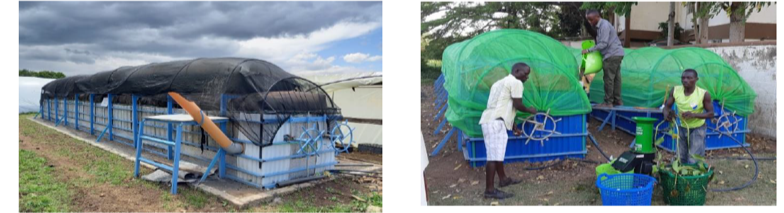
Our partnership is centered on the installation of a biogas reactor system in the Homa Bay region.
Clean Energy Production: The reactor generates biogas, providing women in the fishing industry with a sustainable fuel source for frying fish. This directly reduces reliance on expensive and health-damaging charcoal or firewood.
Waste Transformation: By collecting fish offal and invasive water hyacinth, we are cleaning up local beaches and improving water quality. These waste products are converted into high-quality organic fertilizer and animal feed.
Agricultural Support: The nutrient-rich byproduct (biocentrate) from the reactor is distributed to local farmers, making small-scale agriculture more productive and attractive as a secondary income stream.
Economic Empowerment: We are creating a circular economy model where "waste" becomes a source of revenue, lowering operational costs for small-scale traders and reducing post-harvest losses.
Why This Matters
This project matters because it addresses the root causes of these vulnerabilities:
Environmental Restoration: Removing water hyacinth restores vital fish breeding grounds and facilitates safer navigation on the lake, while reducing sand mining risks protects the local ecosystem.
Health and Safety: Women are often excluded from the fish trade market and put to health risks caused by sexual assault. By supporting a solution to economic independence, we are actively saving women’s lives and lowering the risk of HIV transmission. Furthermore, reducing smoke inhalation from traditional cooking fires improves long-term respiratory health.
Climate Resilience: Transitioning to biogas mitigates deforestation and lowers carbon emissions.
Social Equity: By focusing on women and youth, we are ensuring that the most marginalized members of the community are the primary beneficiaries of new technology and market opportunities.
What Is Next

Funding must be secured to take this project into implementation. The estimated cost of 250,000 SEK will fund the pilot, which will serve as a scalable blueprint that can be replicated across other lakeside communities.
Make a contribution to the project — Support us
LEARN MORE ABOUT OUR WORK
What we do
Through humanitarian engineering, we engage, inspire and unite people to build a sustainable future.
International work
We design and implement sustainable engineering projects for a better world and for the communities.

Annual report
Read more about the work we have performed in previous years and our accomplishments locally and globally.

Contact person:
Susanne Hurtig
susanne.hurtig@ewb-swe.org

Location
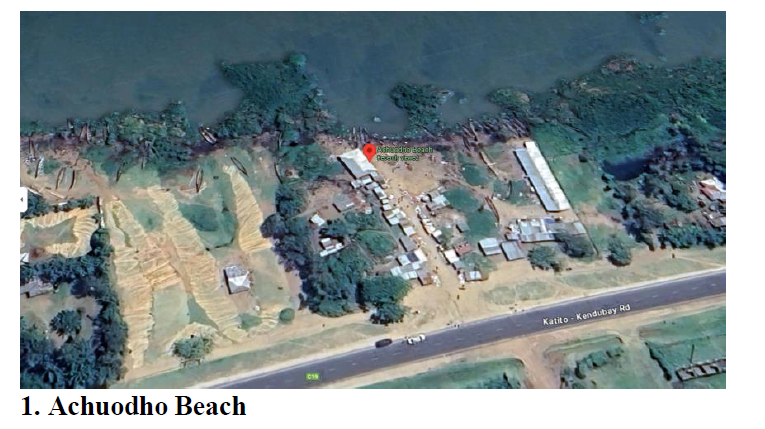
Homa Bay, Lake Victoria, Kenya



This project is looking for funding.
Your support makes a difference!