
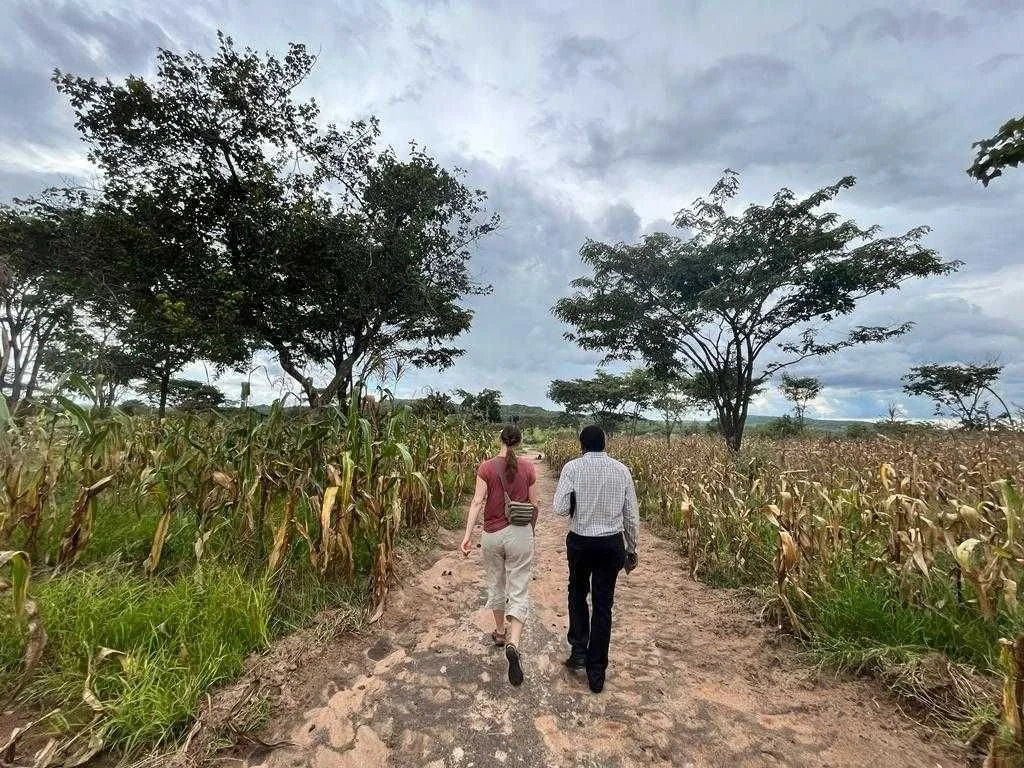
Turning waste into water - follow along with Johanna and Yasmine at Tumaini Open School in Tanzania
/In the heart of Tanzania, where the dry season tests the limits of self-sufficiency, the two Swedish engineering students Yasmine Jakobsson and Johanna Löf are exploring how to reuse greywater. By using local resources and adapting their methods, their study proves that sustainable change doesn't always require high-tech machinery.
Yasmine and Johanna are representing Engineers Without Borders Sweden as part of their Master’s thesis (MFS). They have traded the lecture halls of home for the vibrant, dusty courtyards of Tumaini Open School in Tabora with a clear mission — to transform "waste" into a resource through a low-cost greywater filtration system.
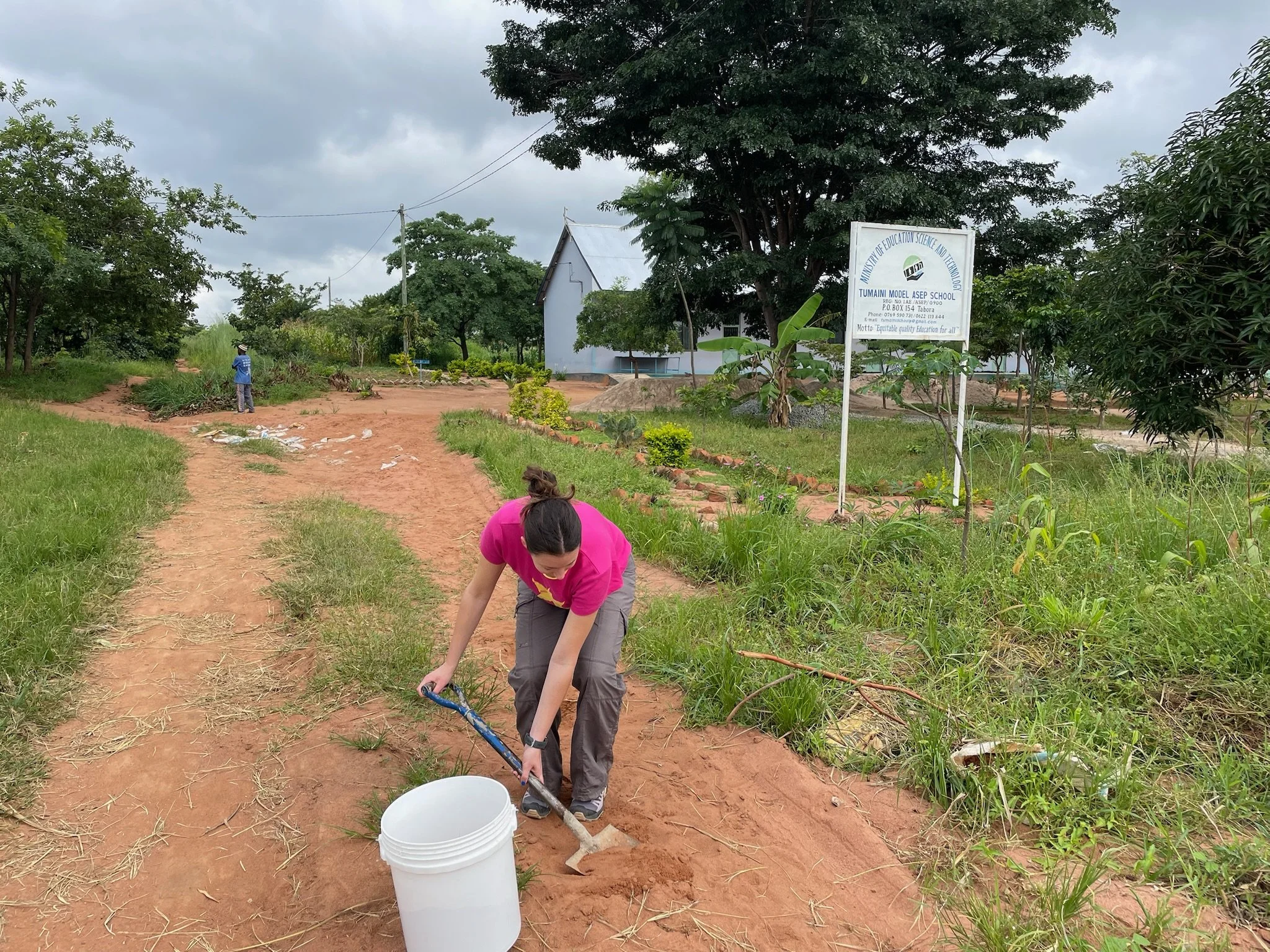
From Laundry to Landscape
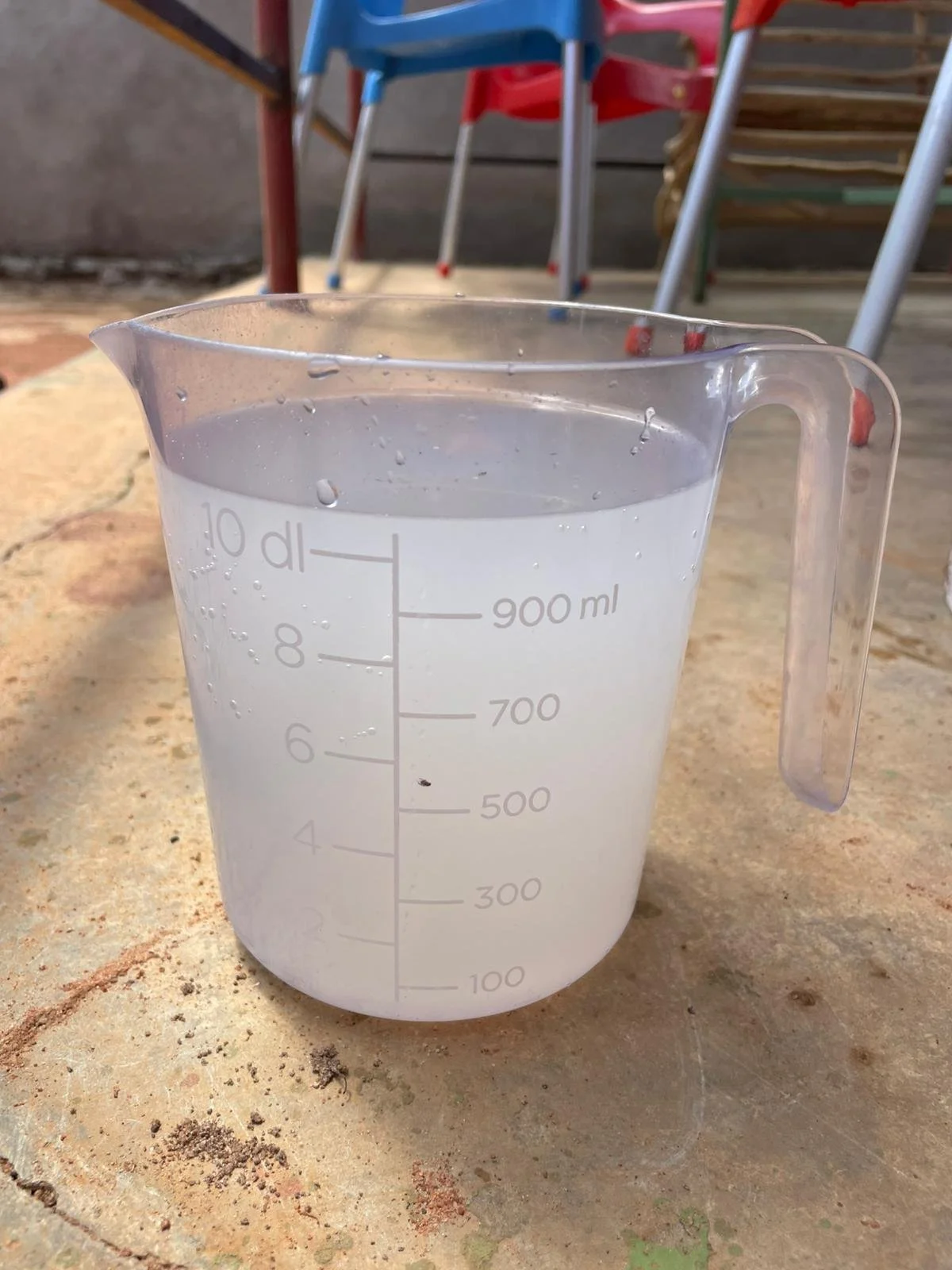
The project aims to investigate low-cost, locally available solutions that contribute to sustainable water management. Johanna and Yasmine are exploring how greywater—the runoff from sinks and laundry—can be treated and reused for irrigation.
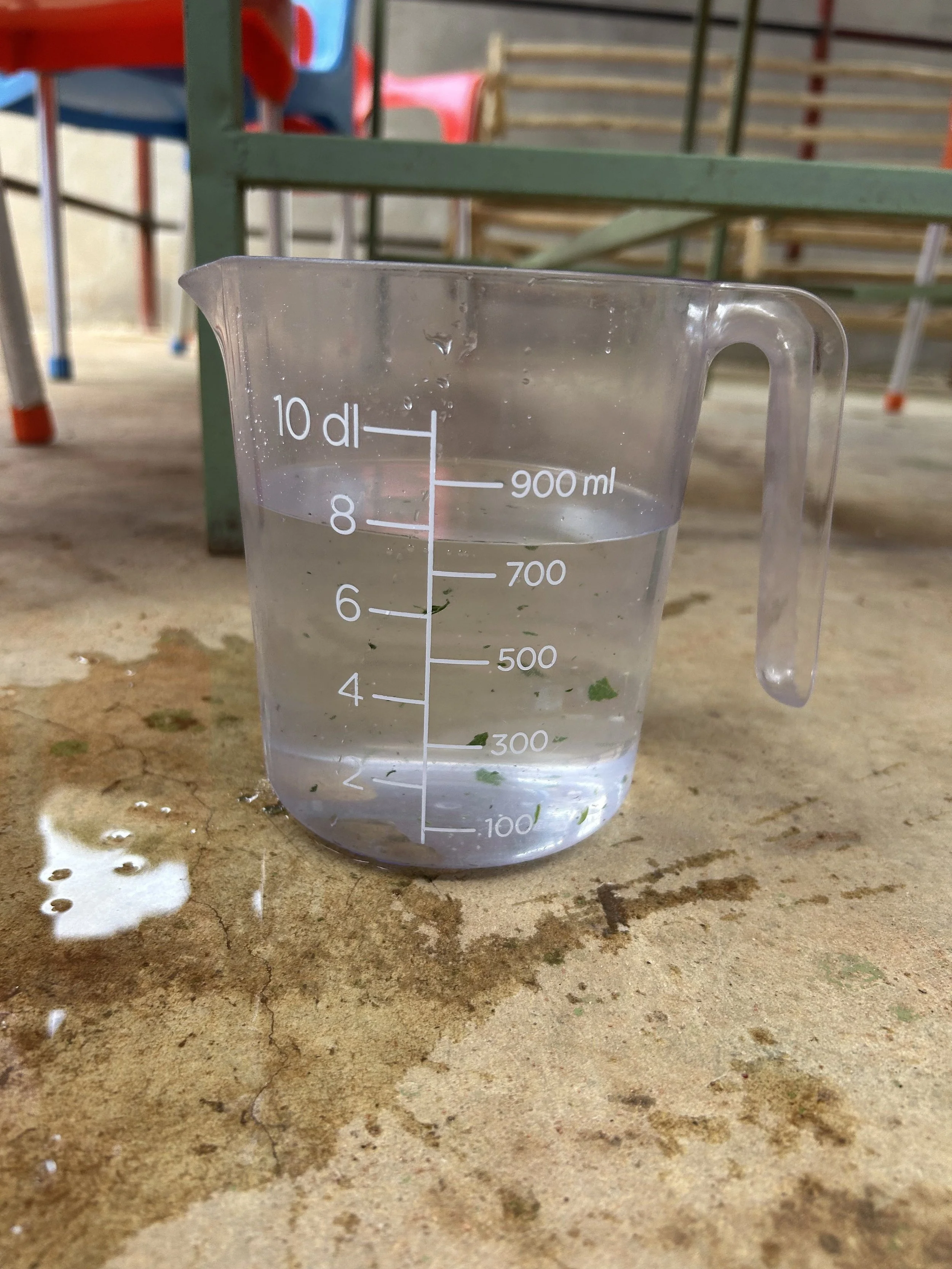
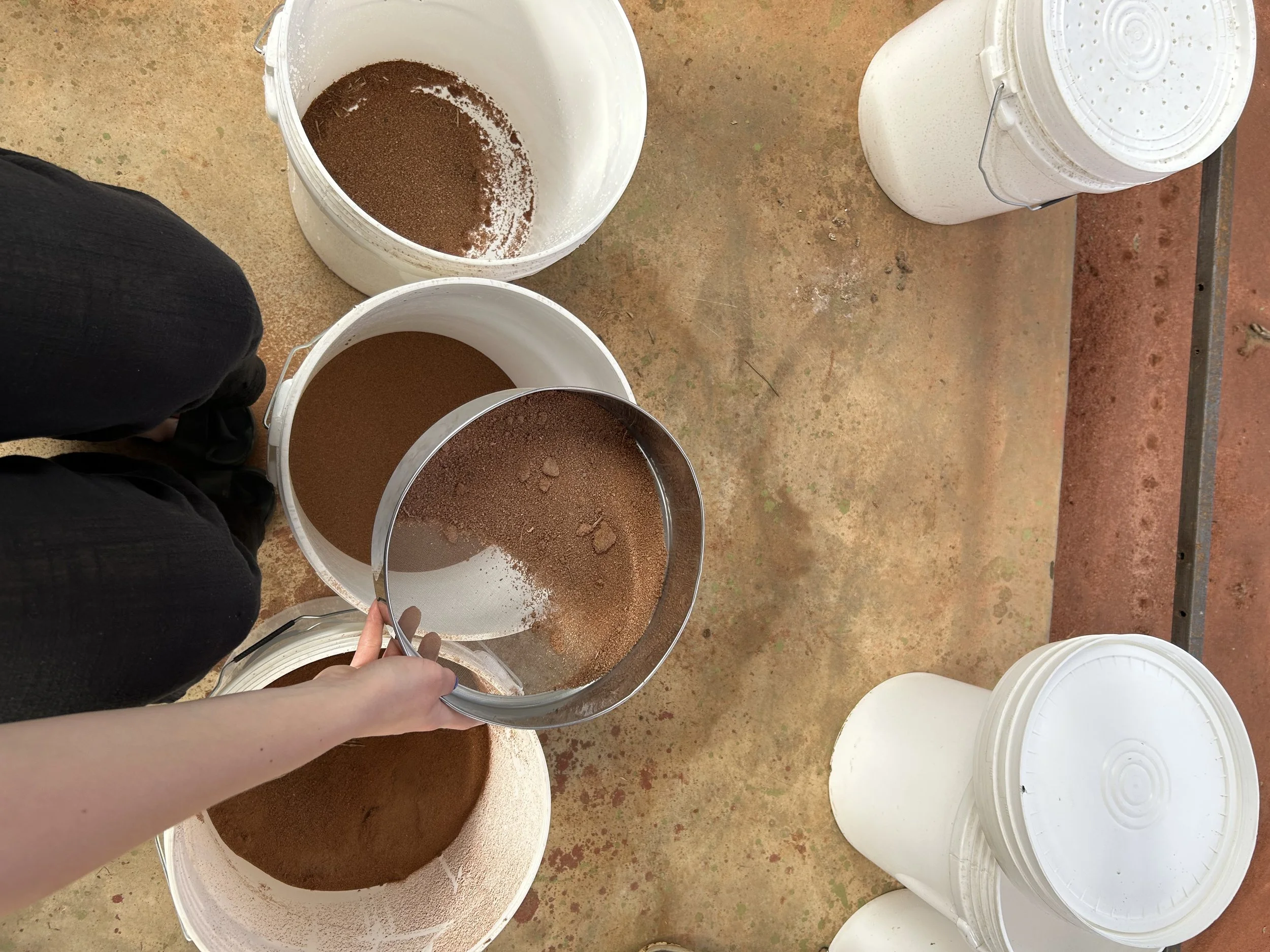
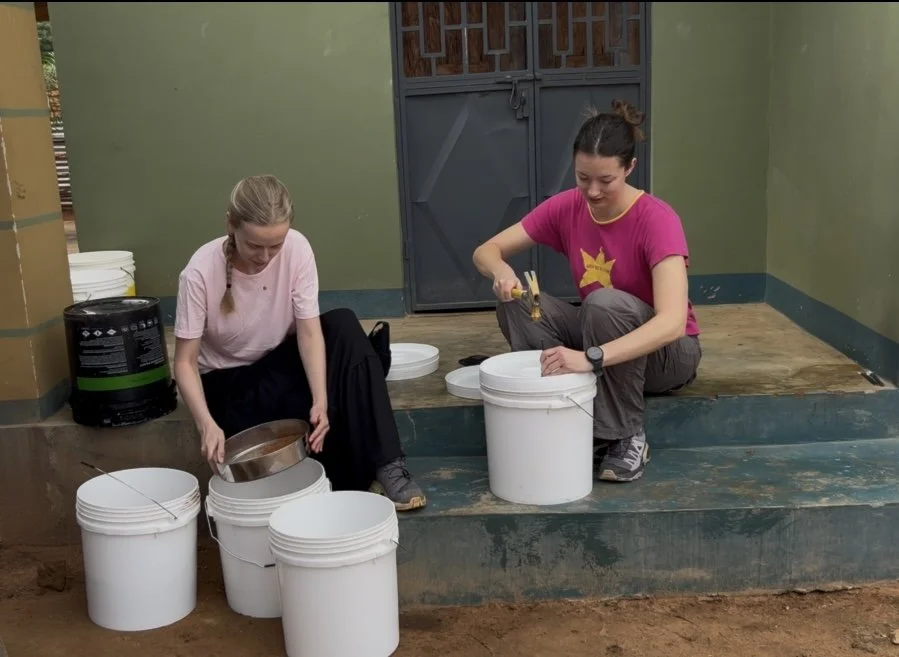
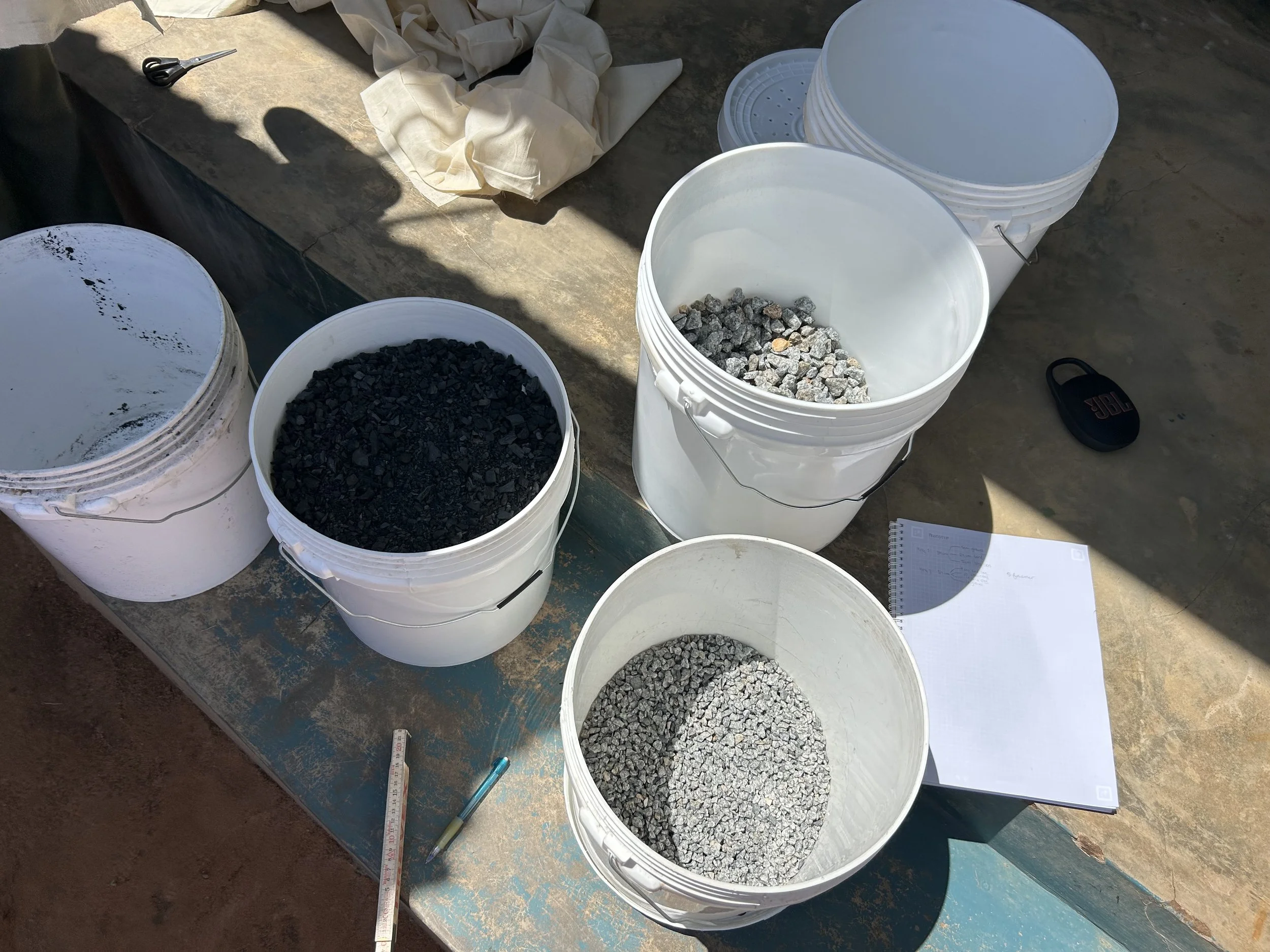
By building a filtration prototype using sand, gravel, and charcoal, they are designing a blueprint for agricultural resilience. If successful, the school could maintain its crops year-round, moving one step closer to long-term food security.
A Day in the Field
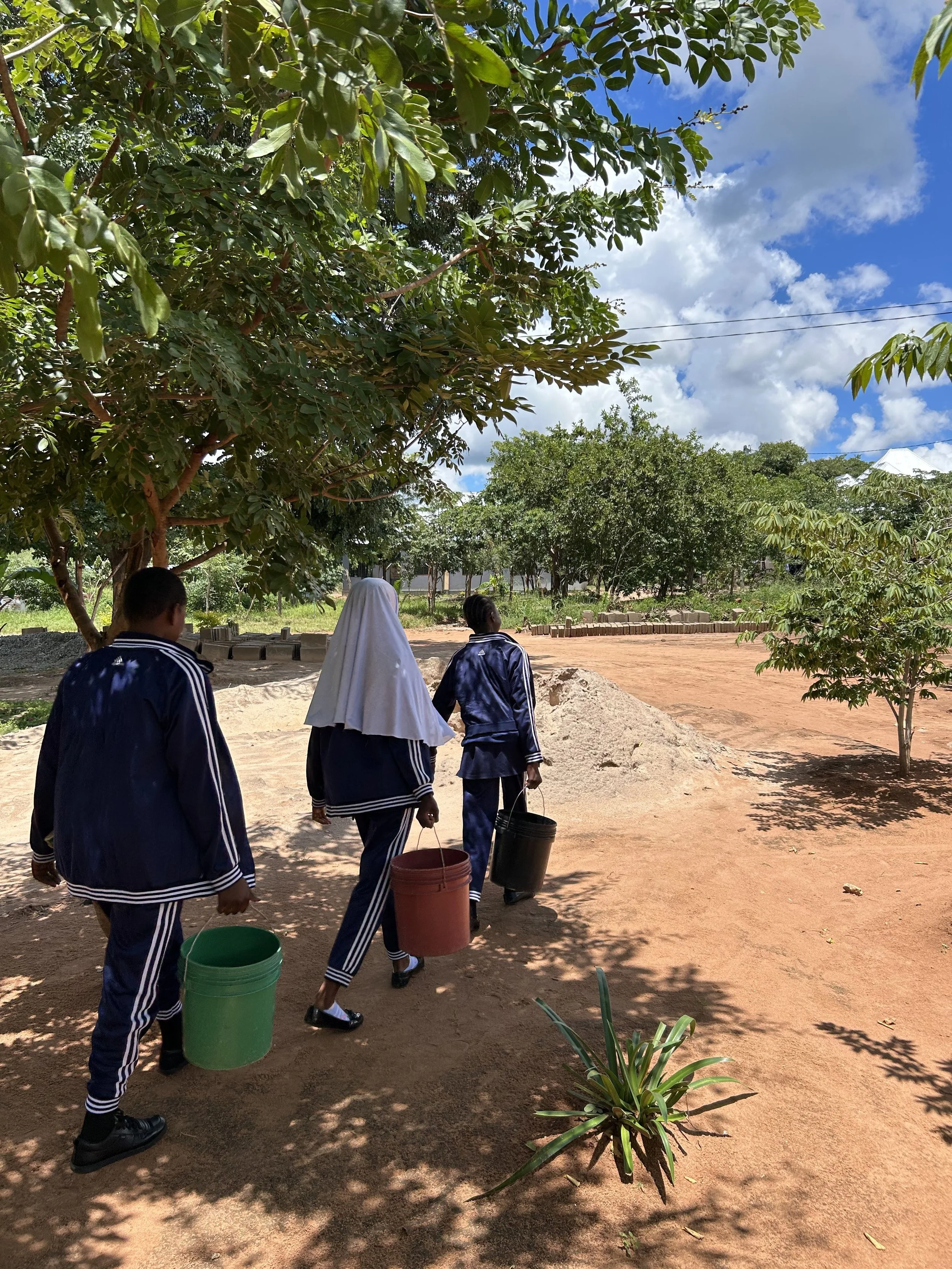
Life at Tumaini is a rhythmic blend of rigorous data collection and community immersion. A typical morning begins with the collection of greywater from the students' breakfast dishes.
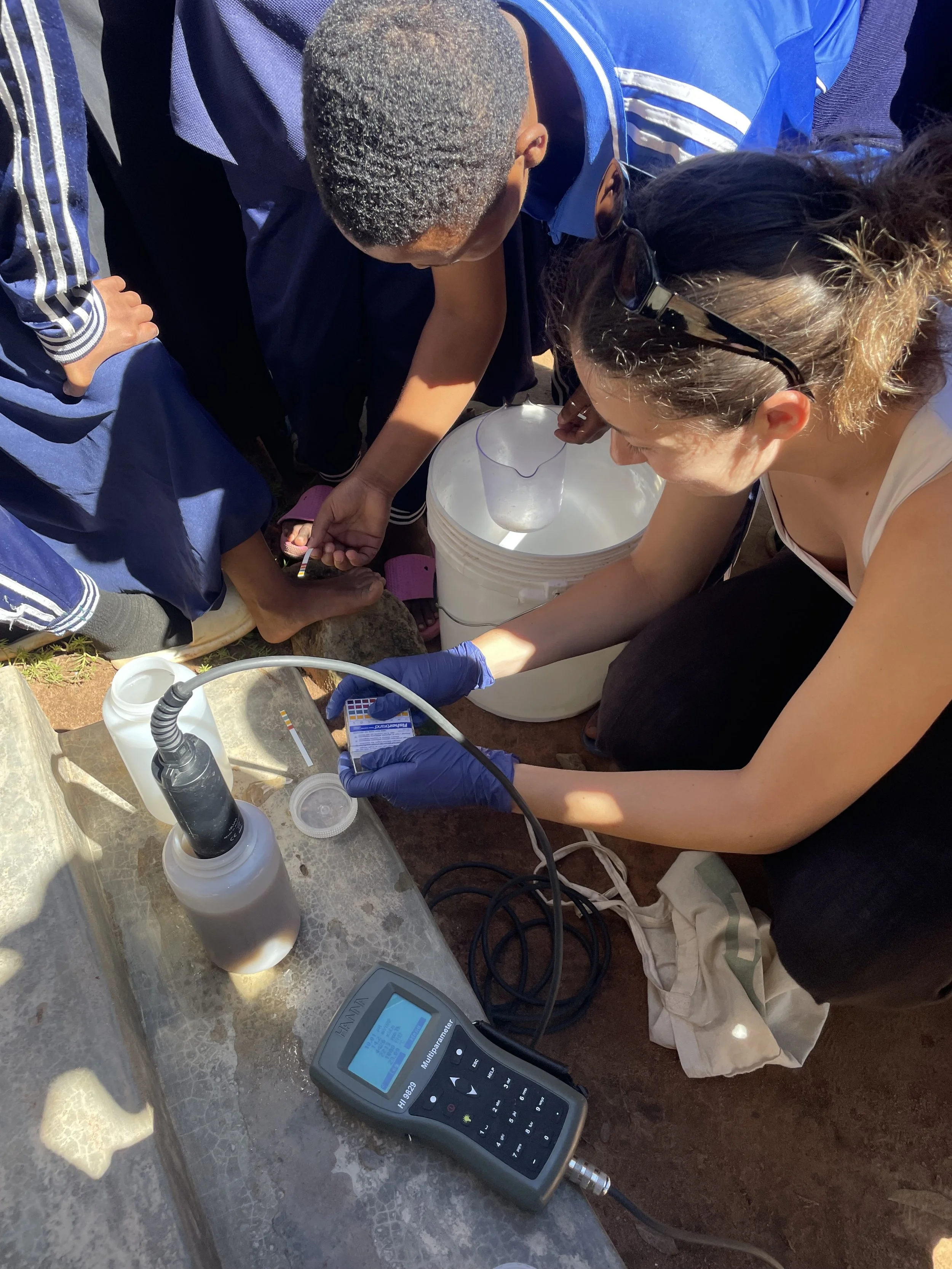
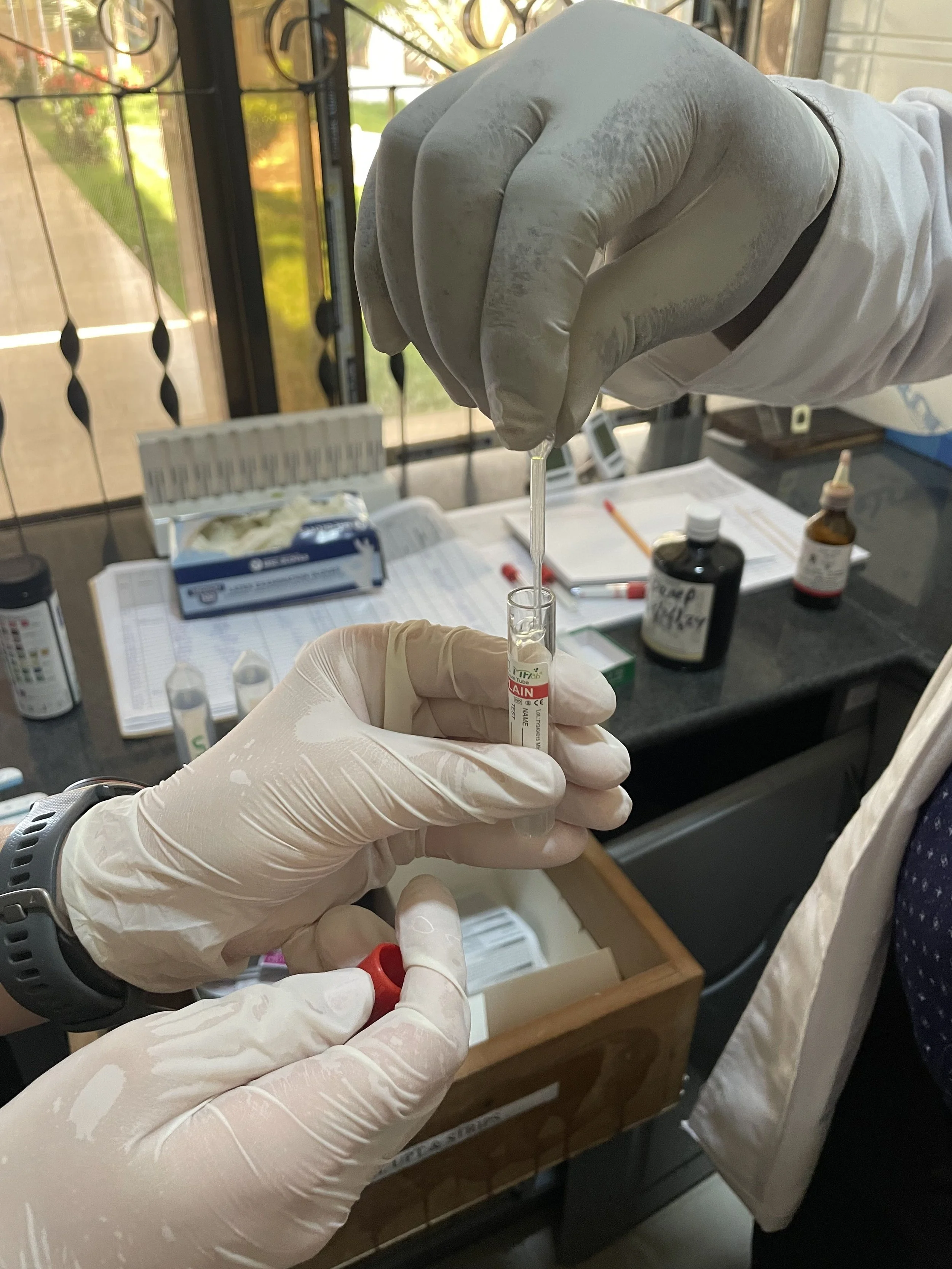
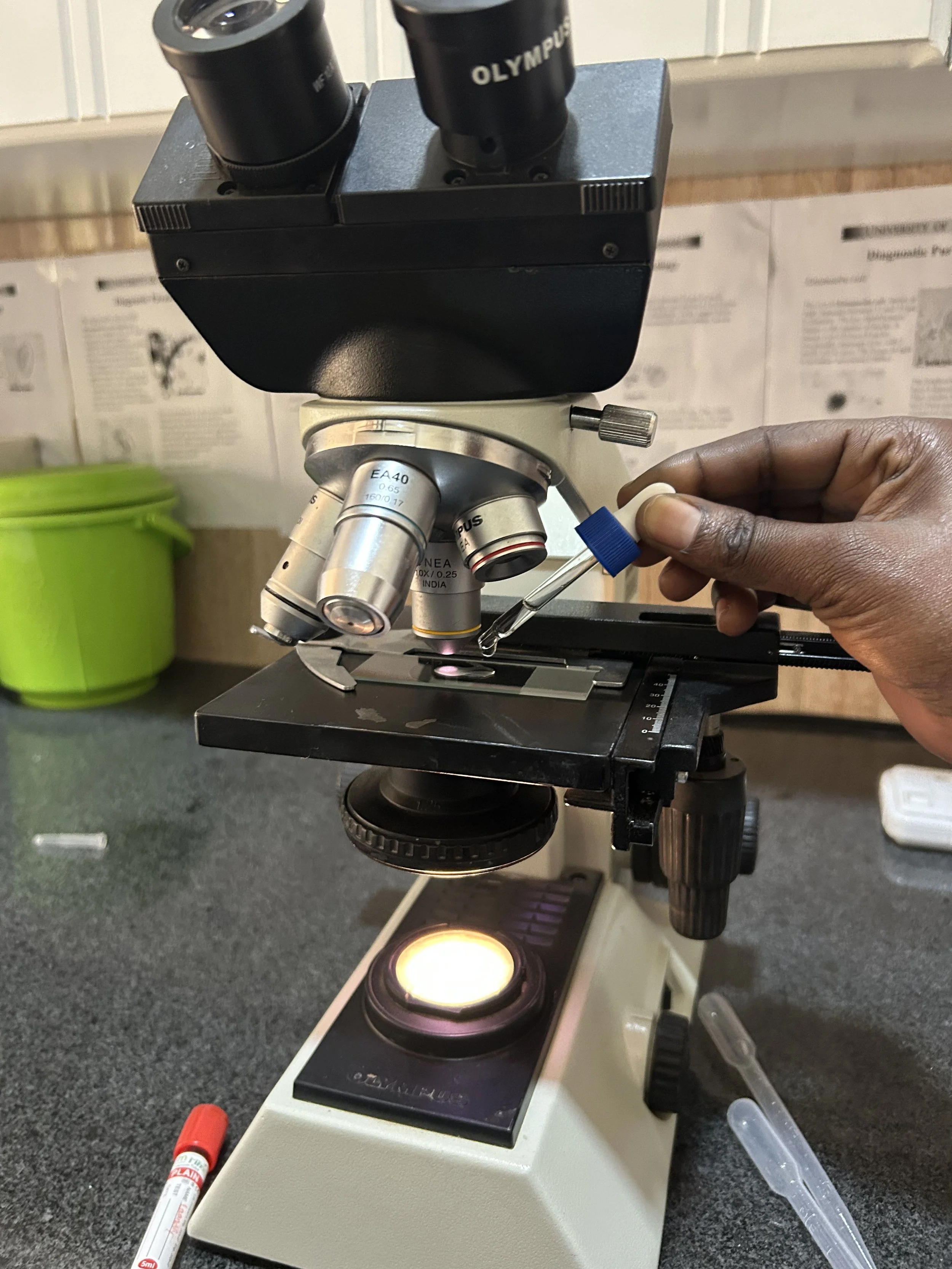
— We measure water quality parameters like pH, conductivity, and turbidity before letting it flow through our three-tier prototype. So far, we have seen a 95% reduction of turbidity in the water, which is very rewarding and motivating, Yasmine explains.
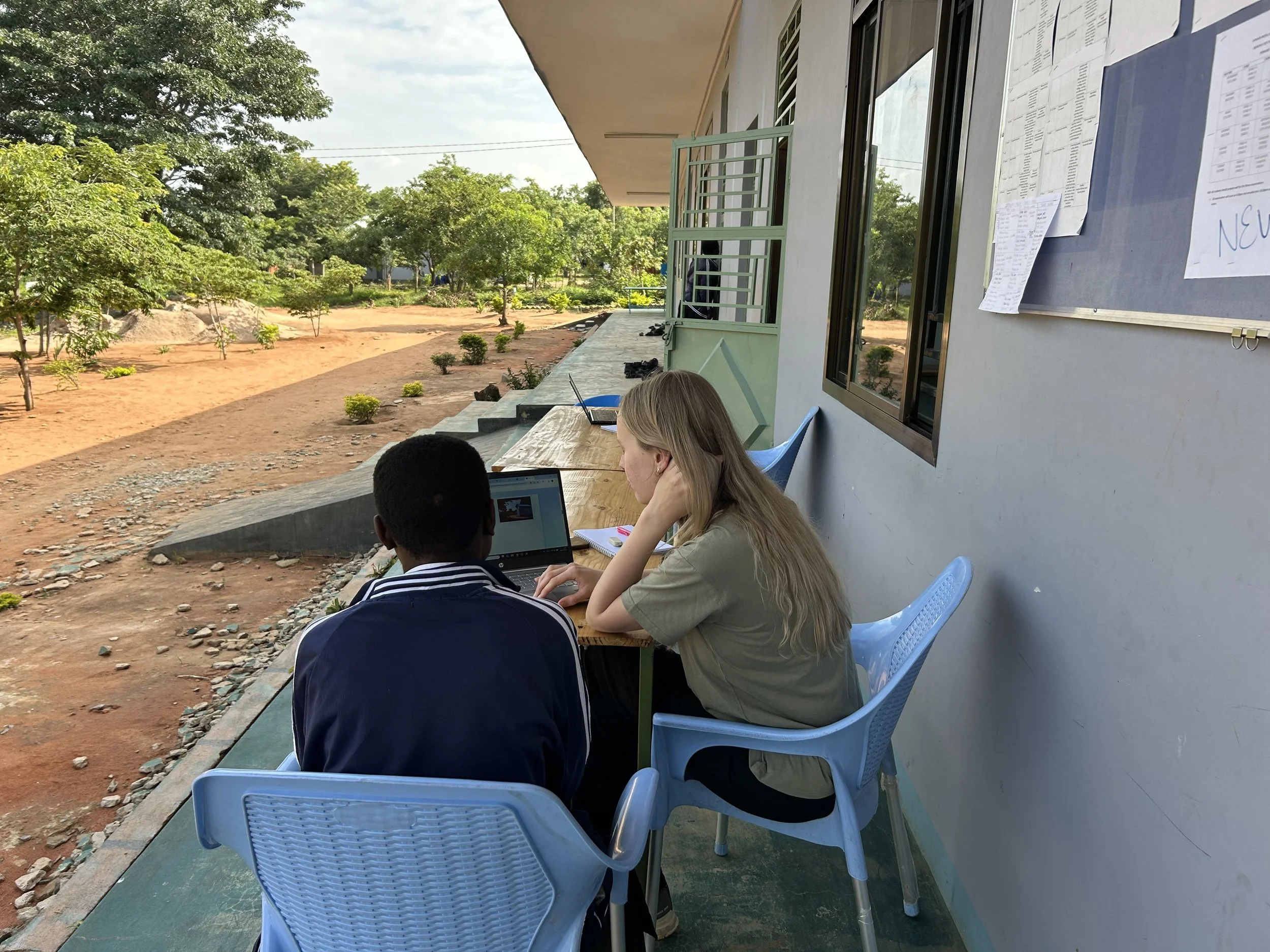
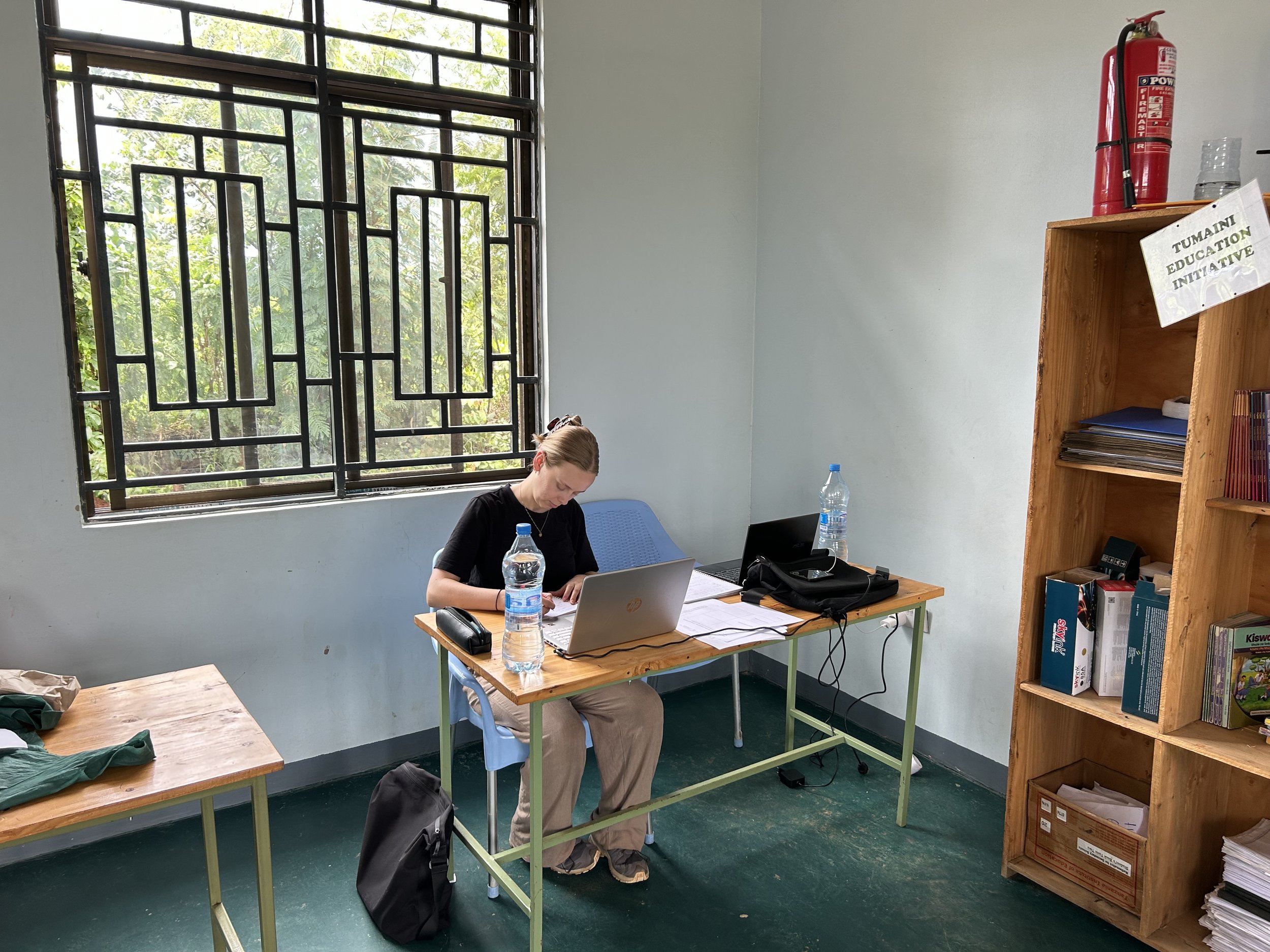
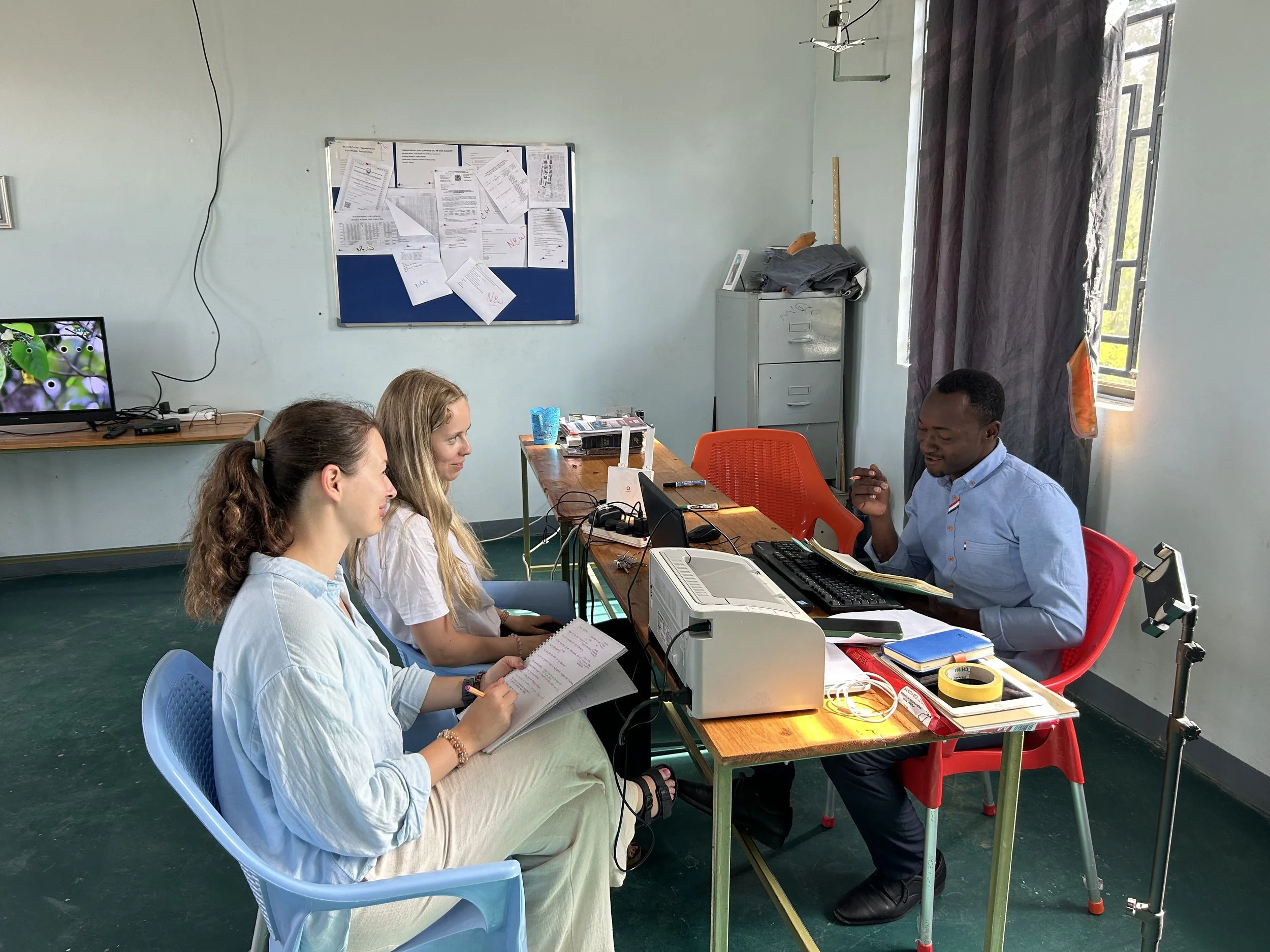
When they aren't testing water samples, they are in the school office, synthesizing data into a model of water production. It is also important to understand the flows of the school and map out exactly how and when water is used. This is done through a mix of questionnaires, direct observations and volume measurements of water use.
More Than Just Engineering
For Johanna and Yasmine, the most impactful moments haven't just happened during thesis work, but in the spontaneous interactions with the students.
— One day, as we were sampling laundry water, a crowd of curious students gathered around. It turned into a spontaneous and interactive chemistry lesson. They were testing pH strips and comparing them to our digital meters. Seeing their curiosity was incredibly rewarding, says Johanna.
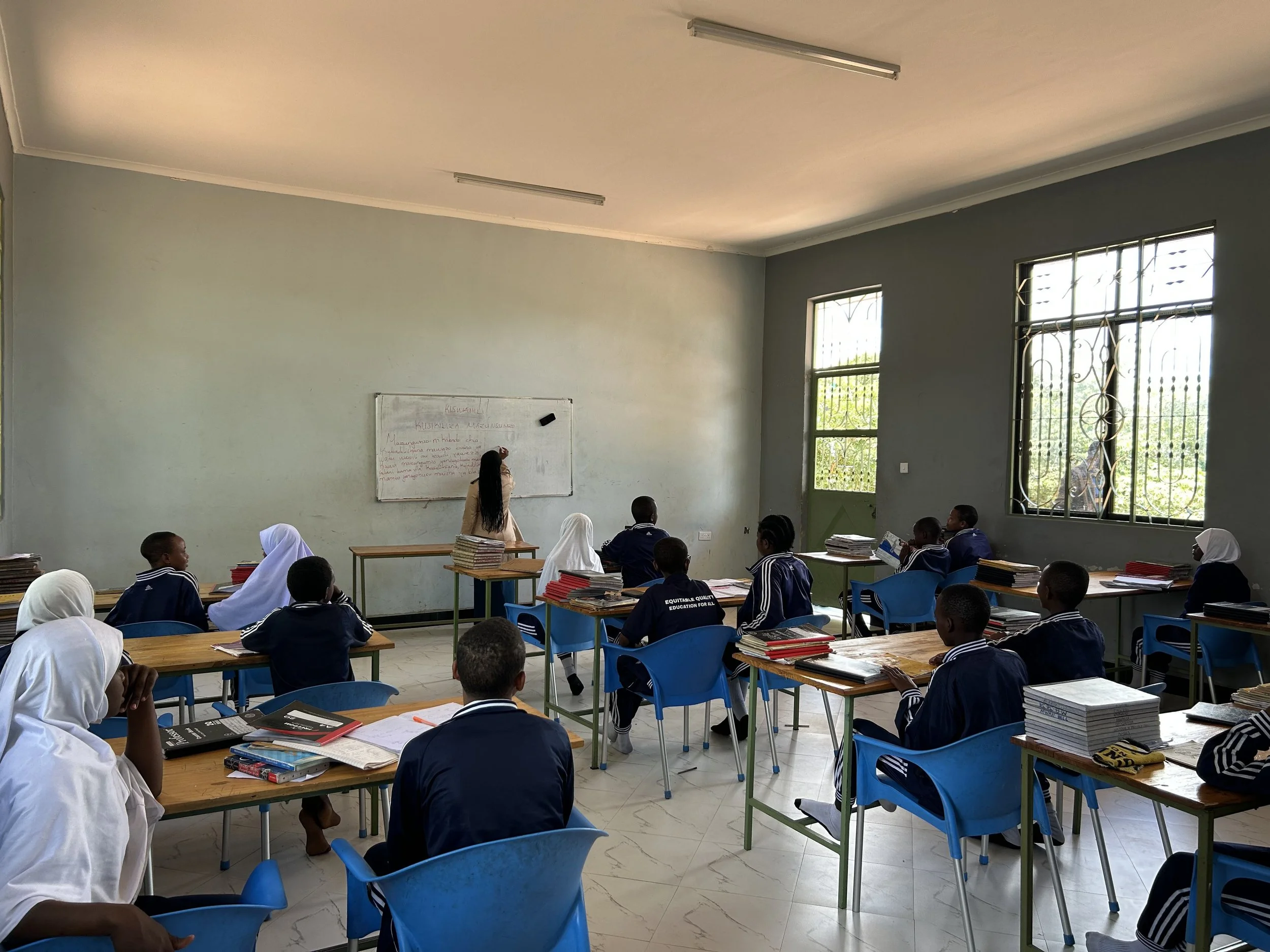
Engineering solutions only work if the community embraces them. Therefore, engaging students in the process is a crucial part of the project’s success.
Yasmine and Johanna have also been integrated into social life at school. Whether it’s joining a soccer match in the afternoon or simply chatting between classes, it has helped coming closer to the students:
— Those moments have been a very nice part of the experience and also give us a better understanding of life and everyday life at the school, says Yasmine.
Lessons in Flexibility
Fieldwork in rural Tanzania is rarely a straight line. Estimating water volumes in a system where water is carried in buckets rather than piped through meters, and where water is used in several ways during the day, requires a certain level of spontaneous problem-solving.
— Since we didn't know exactly what to expect when we arrived here, it was also difficult to plan all aspects of the work in advance. Many things have therefore had to be adapted to the local conditions, Johanna explains.
— We have learned that flexibility is everything. Things rarely go exactly as planned, but by adapting our methods and collaborating closely with the local staff, we find a way, says Yasmine.
A Sweet Memory Outside Fieldwork
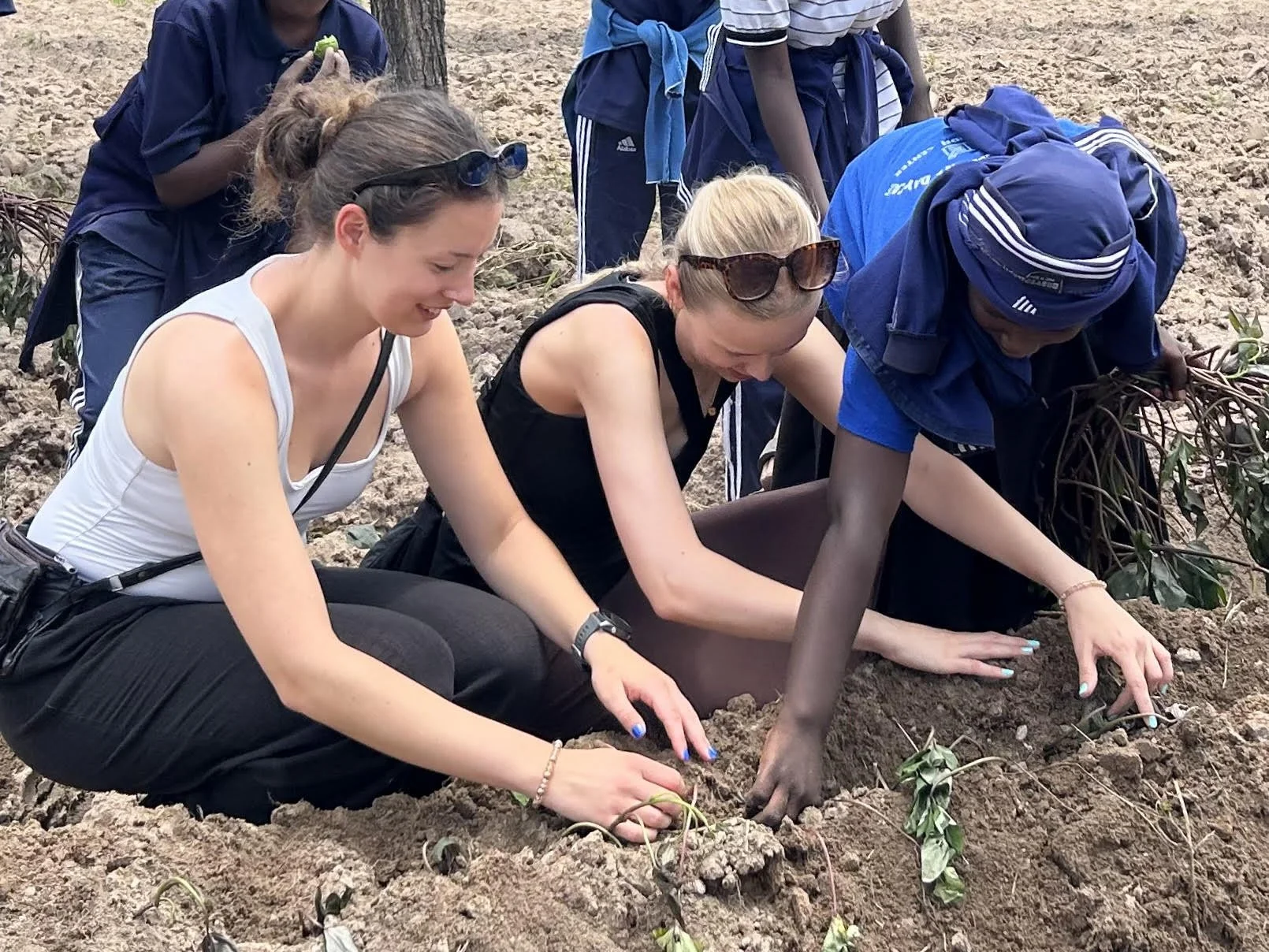
Yasmine jakobsson and johanna löf planting sweet potatoes with students at tumaini open school, tabora, tanzania.
When asked about their most cherished memory, they highlight a certain moment outside fieldwork.
— The students invited us to help plant sweet potatoes. They showed us exactly how to angle the plants and press the soil down. It was a beautiful moment of exchange, learning a new skill while feeling like a true part of their daily life.
As Johanna and Yasmine are going home to finish their master’s thesis in Sweden, they leave with new lessons learned, cherished memories and impactful results that hopefully will make life easier and water management more sustainable at Tumaini Open School.
Project Highlights
Target: Sustainable greywater reuse for school irrigation.
The Tech: A low-cost, gravity-fed filter using sand, gravel, and charcoal.
The Result: A 95% improvement in water clarity (turbidity).
The Goal: Increased food production and school self-sufficiency.
Related content
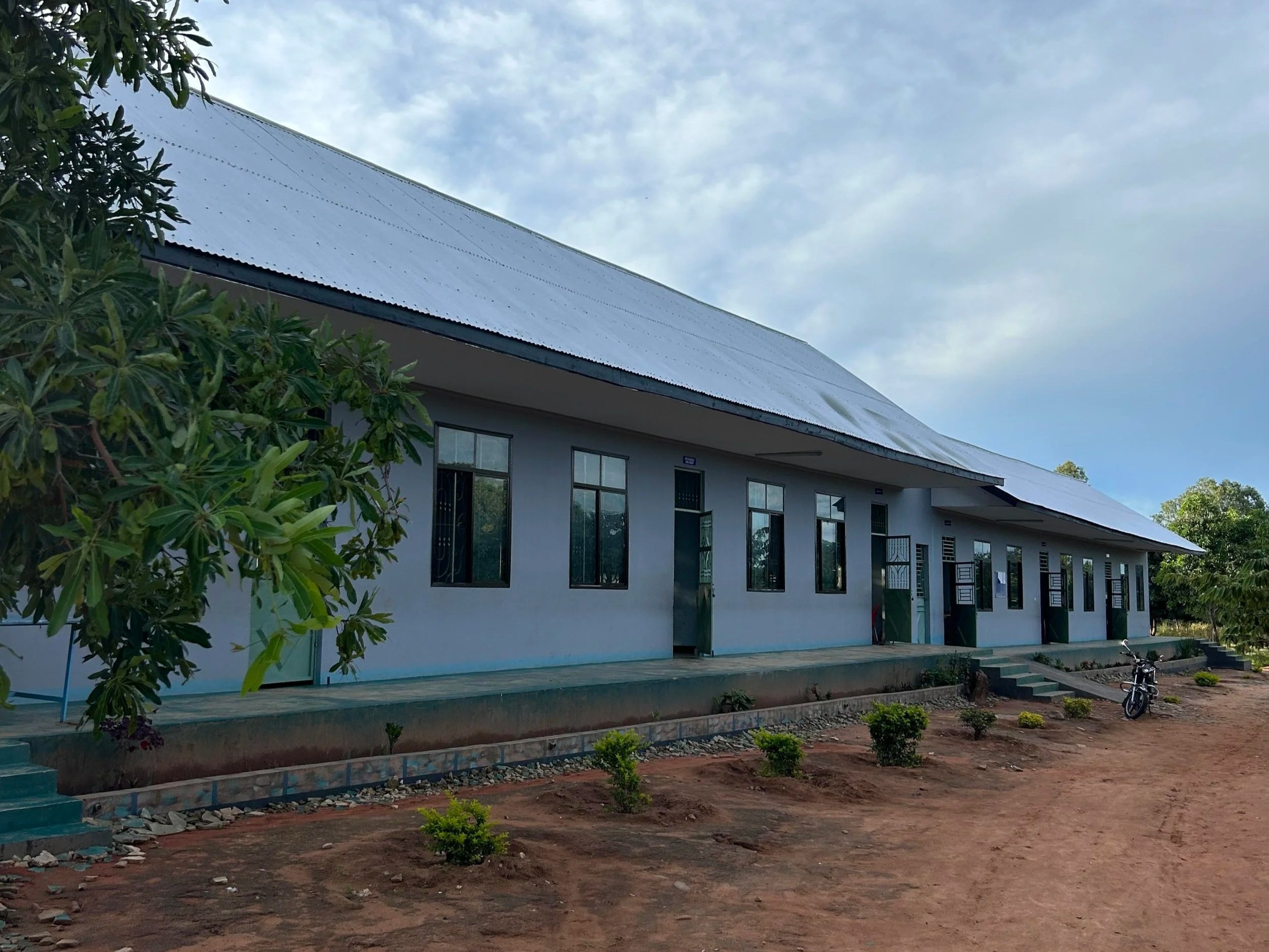
WASH project for Tumaini Open School, Tabora, Tanzania
For nearly six decades, pregnant students and adolescent mothers in Tanzania have been expelled from school, forcing them to abandon their education. Tumaini offers these girls a second chance with an Open School in a rural village outside Tabora. Tumaini's school provides free tuition and child care facilities.

Thesis proposals
Do you want to write your thesis with EWB-SWE and contribute to real change? We welcome students to make studies related to our projects. On this page, we list current openings. Previously, we have had students writing their theses for our projects in Tanzania and Nepal.