
Celebrating the Power of Collective Action: International Volunteer Day
/
In a world filled with challenges—inequality, global warming, injustice—we all carry our baggage. But where some feel a burden, others discover their strength and find inspiration to take action.PHOTO:UNV
This year, as the world commemorates International Volunteer Day (IVD) on December 5, the focus is on the transformative power of collective action — a theme that resonates deeply with Engineers Without Borders Sweden (EWB-SWE). With the underlying message of 'if everyone did,' this day highlights the limitless possibilities of volunteerism in driving positive sustainable development, fostering inclusive societies, and addressing global challenges.
At EWB-SWE, we proudly stand as a testament to the power of volunteerism. Our organization is driven by the commitment of volunteers - from professional engineers to other specialists, and dedicated students in major university cities. These individuals form the backbone of our operations, embodying the spirit of volunteerism in every project and initiative.
862.4 million volunteers worldwide
According to the 2022 report by the United Nations Volunteers (UNV), there are approximately 862.4 million volunteers worldwide, with most volunteering informally among individuals. While 14.3% of the global population engages in this informal volunteering, 6.5% participate in formal volunteering through organizations. Interestingly, while formal volunteers predominantly consist of men, women are more likely to be informal volunteers.
Volunteers play a crucial role
Volunteerism stands as a renewable resource for addressing social, economic, and environmental challenges. Volunteers are often the first responders in crises, demonstrating immense resilience and dedication in testing situations. Their role is crucial in building inclusive, peaceful societies, and in achieving goals like universal education, environmental sustainability, and public health.
Driving positive change
This International Volunteer Day, EWB-SWE joins the global community in recognizing and celebrating the invaluable contributions of volunteers. Our own volunteers, through their expertise and commitment, play a pivotal role in our efforts to create sustainable solutions and drive positive change. Their collective actions reflect the theme of this year's IVD: the extraordinary impact that can be achieved when everyone contributes.
#IfEveryoneDid
We would like to join in acknowledging volunteers worldwide by using the hashtags #IfEveryoneDid and #IVD2023. This day, mandated by the UN General Assembly, is not just an occasion to celebrate volunteer efforts but also to share values, promote work in communities, and collaborate with NGOs, UN agencies, government authorities, and the private sector.
In line with the UNV's advocacy for volunteer recognition and its integration into development programming, we at EWB-SWE continue to mobilize volunteers, harnessing their potential to contribute to sustainable development. This International Volunteer Day, let us all acknowledge and celebrate the power of collective action and the remarkable difference each volunteer can make in creating a better world for all.
Caroline Edelstam, Secretary-General, Engineers Without Borders Sweden
Throw Back to Engineering Day!
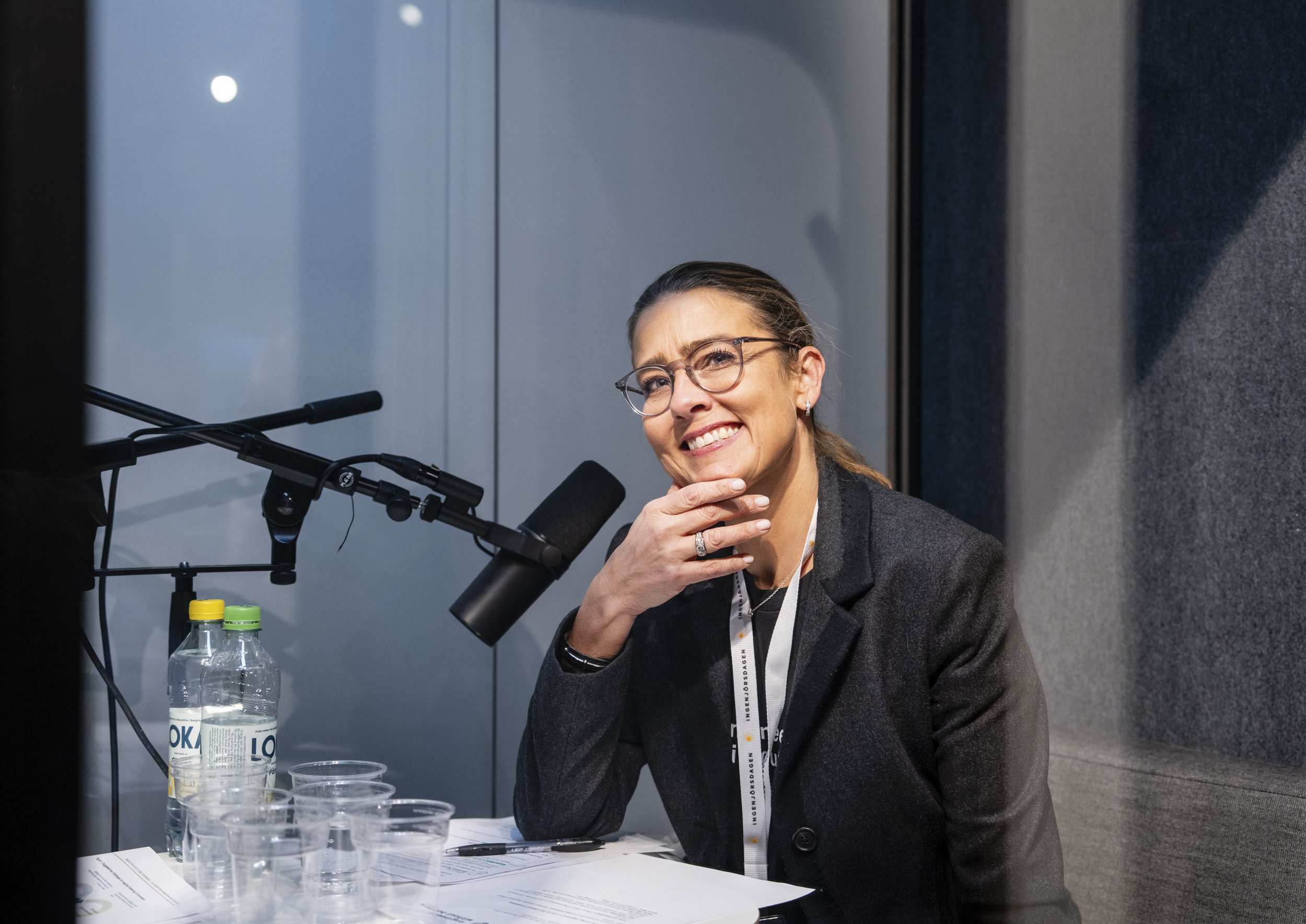
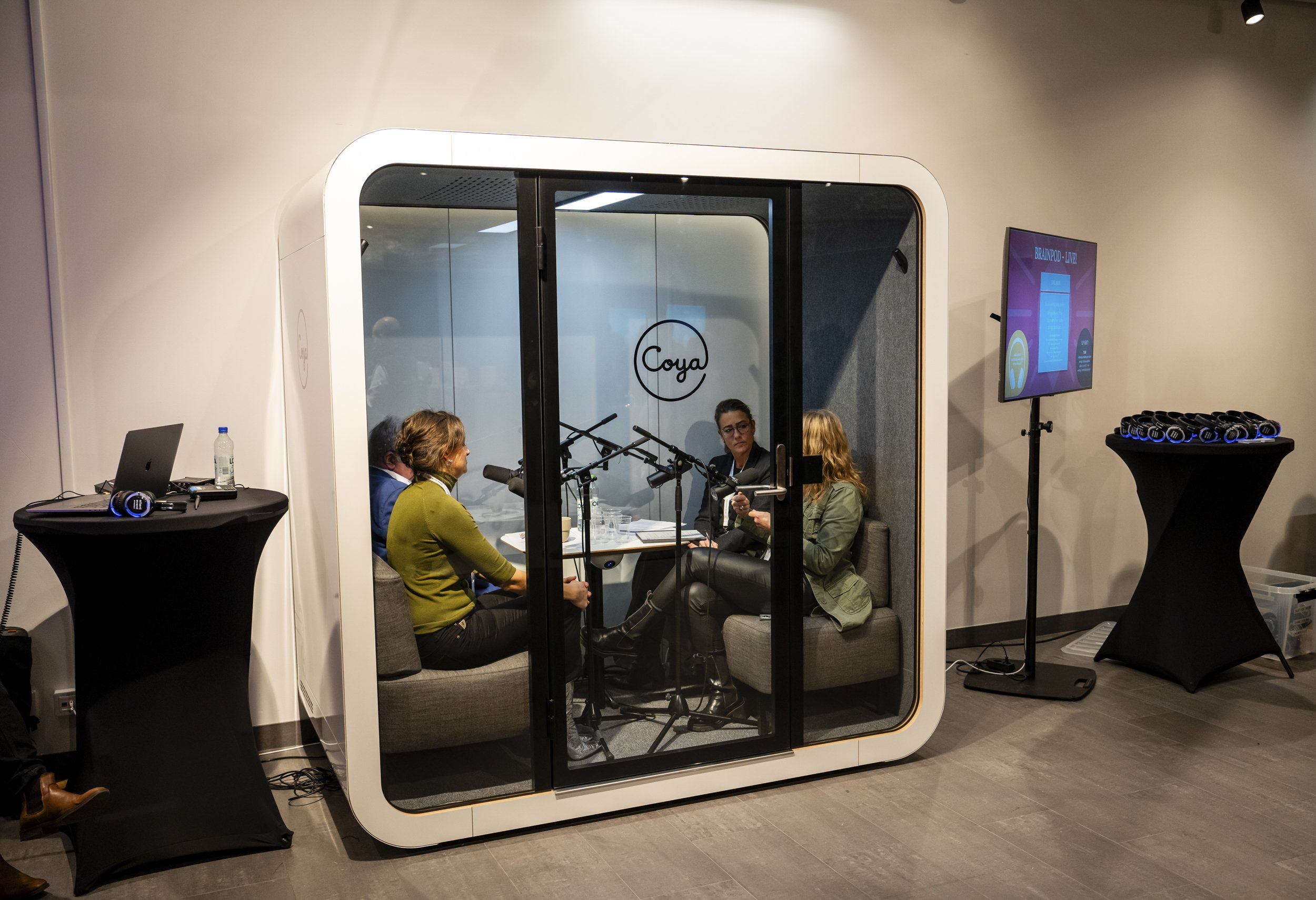
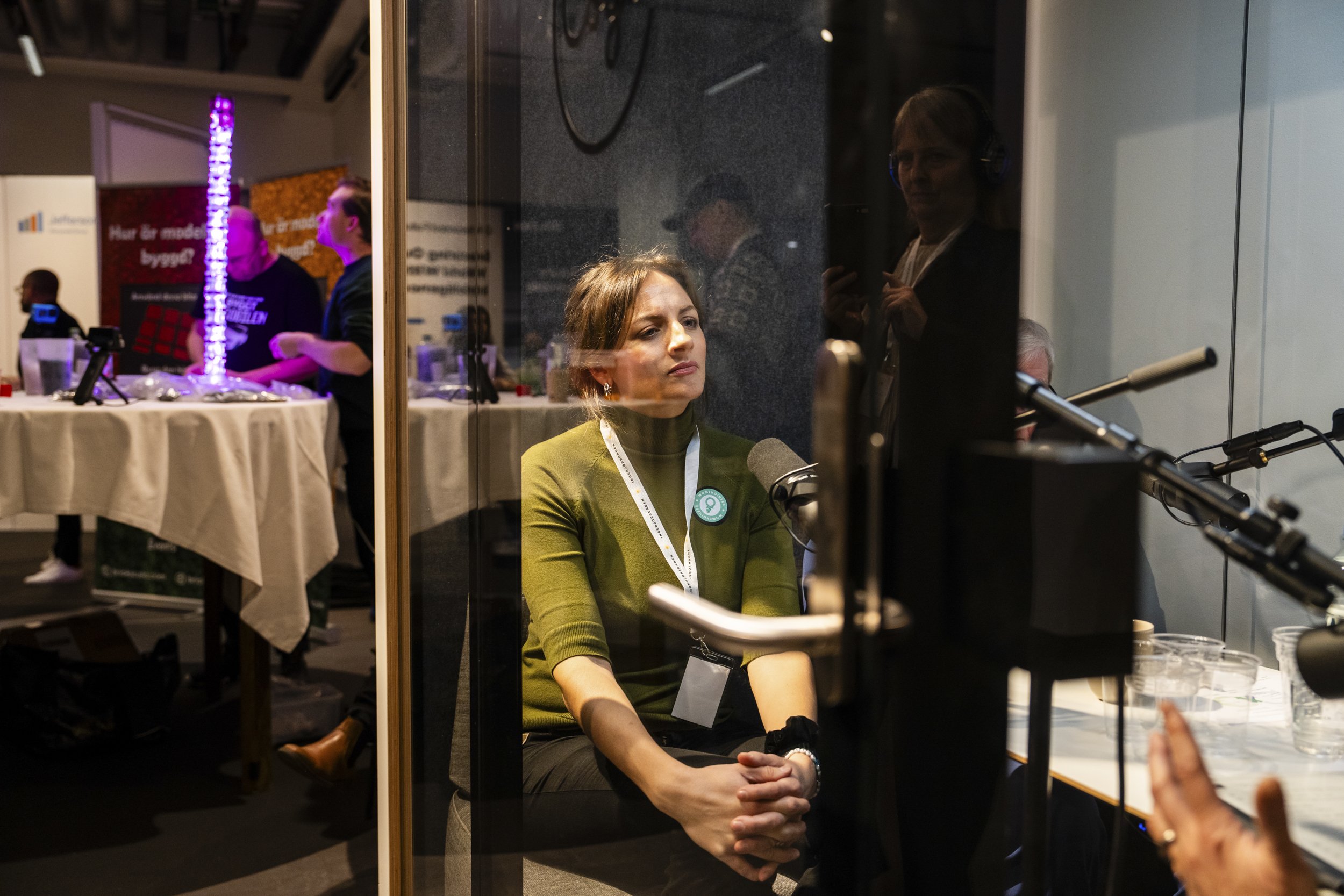
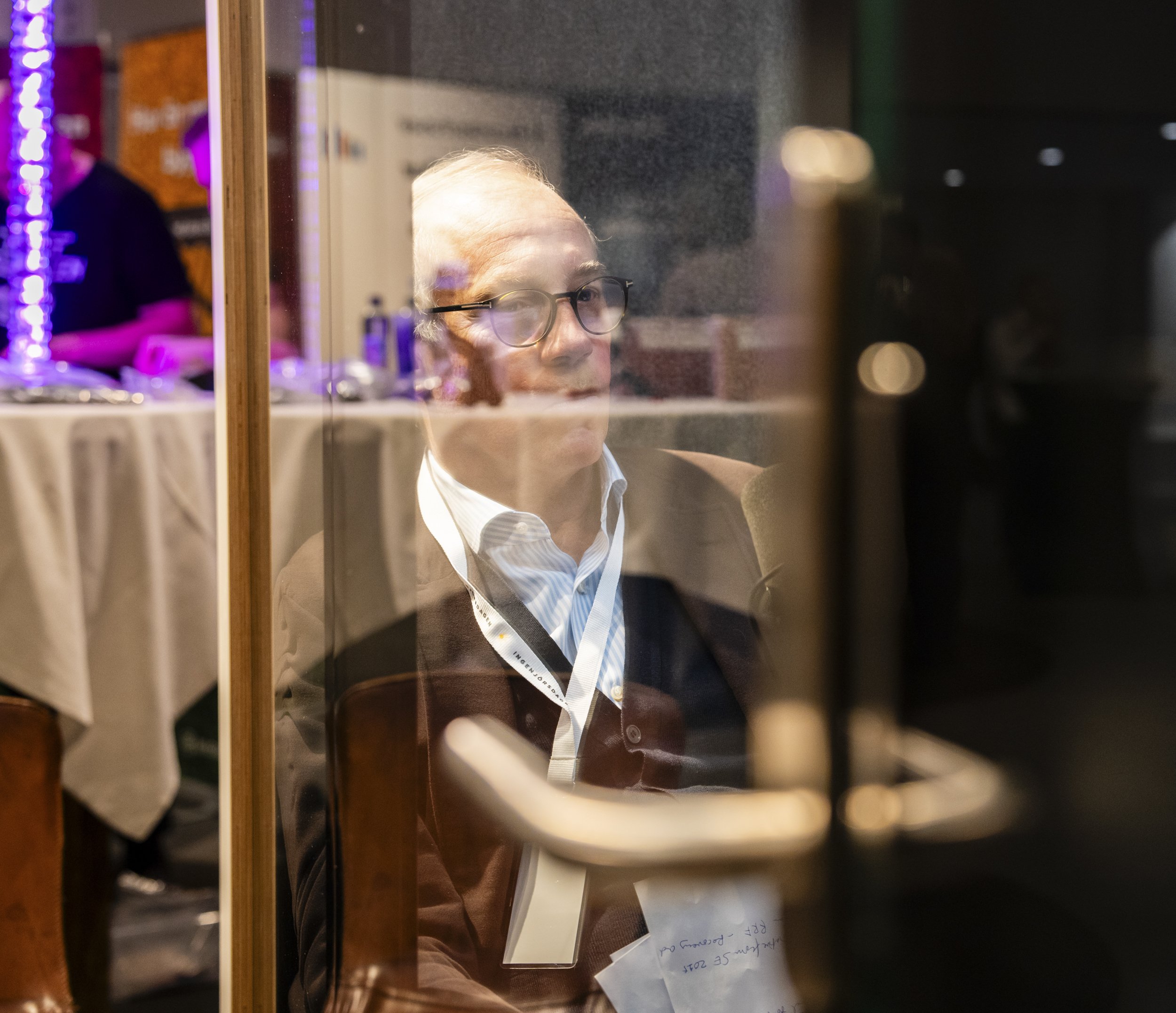
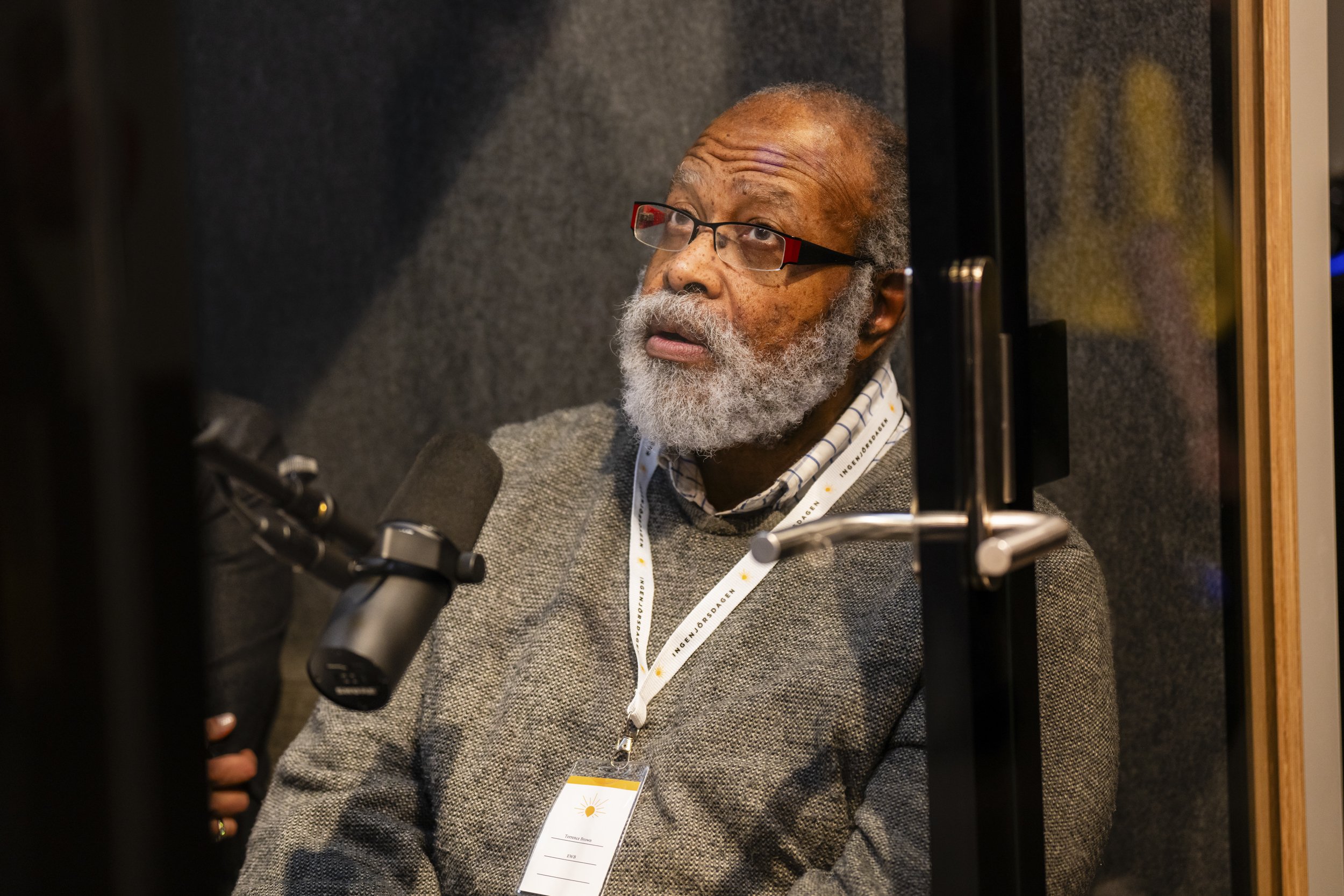
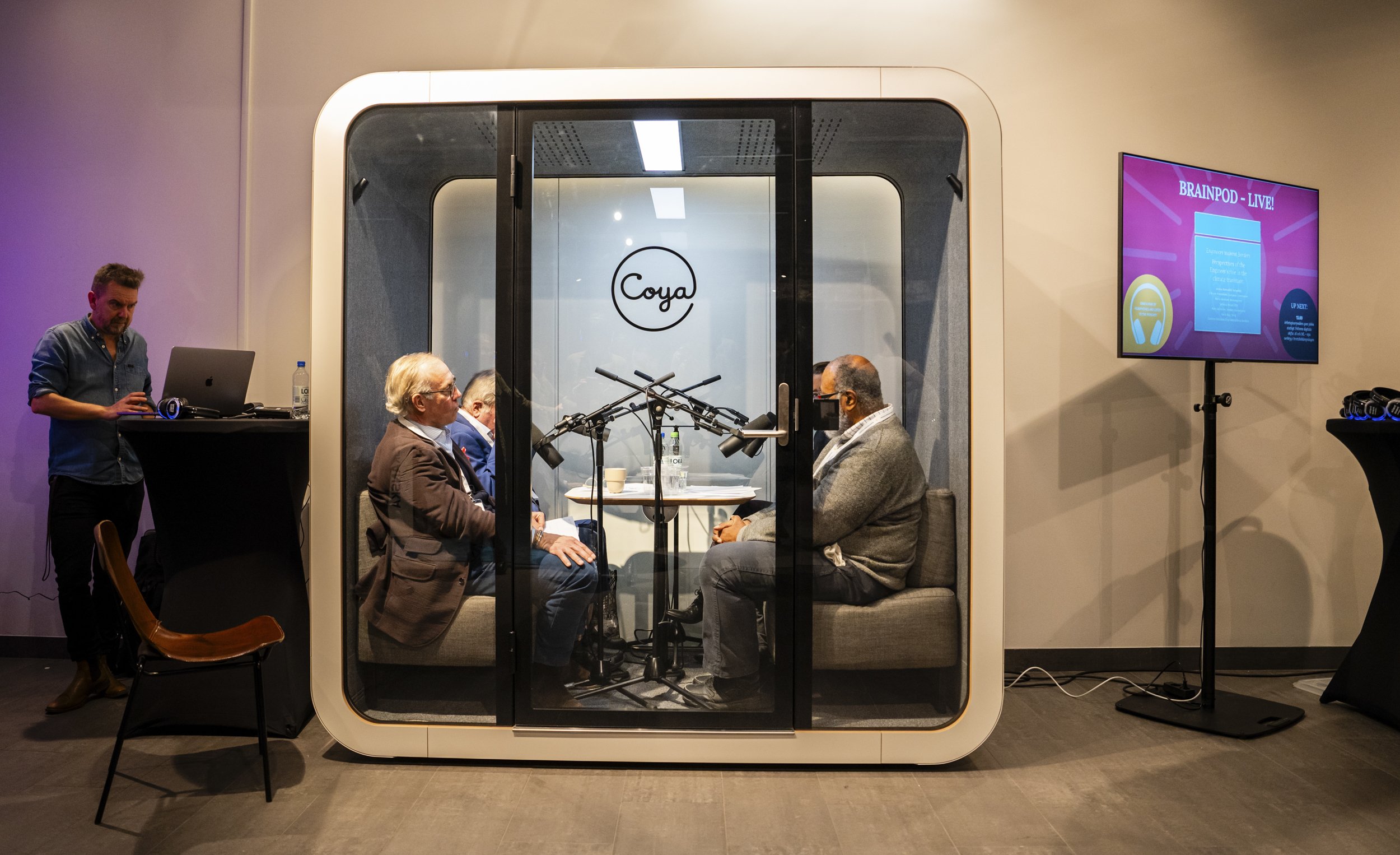
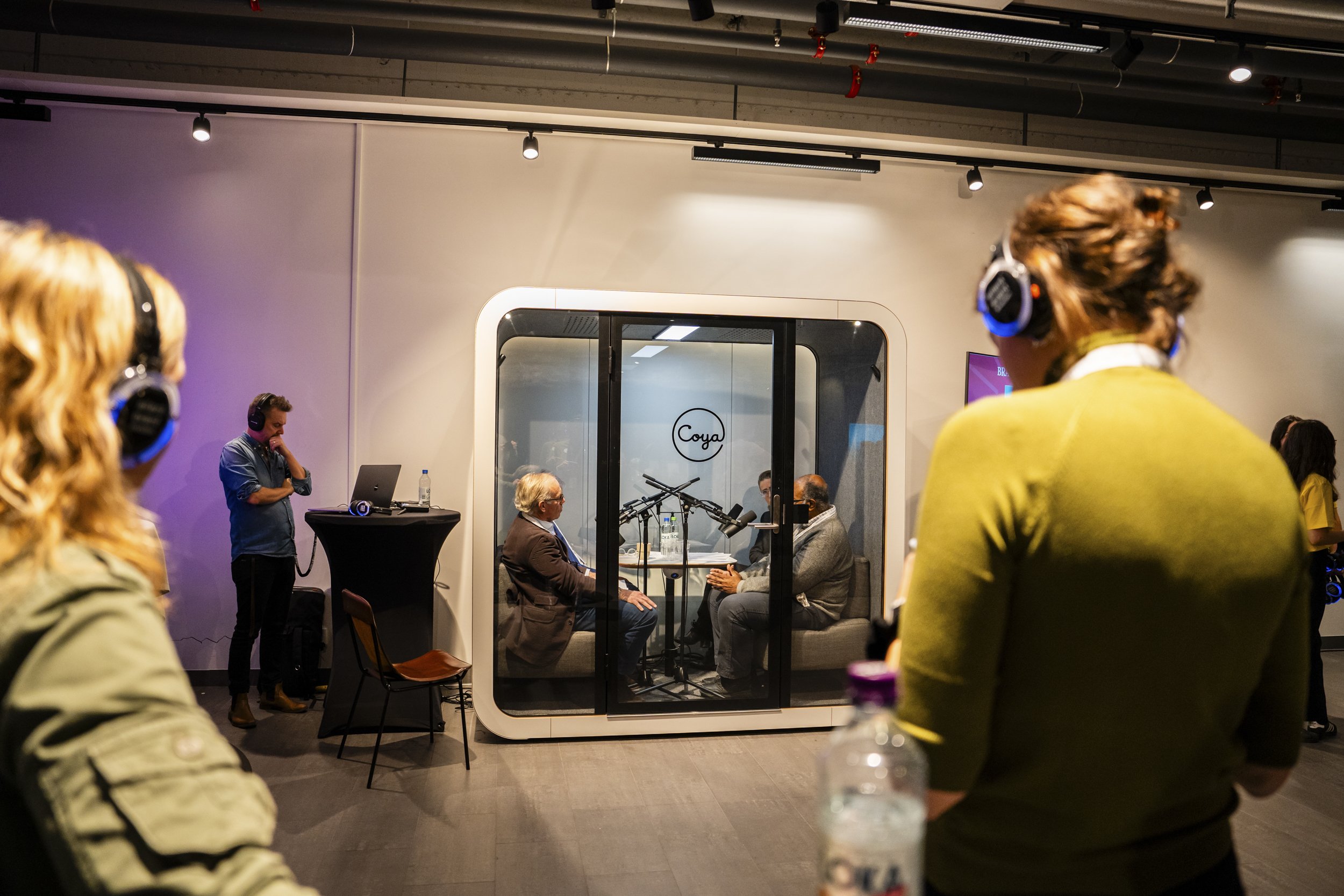
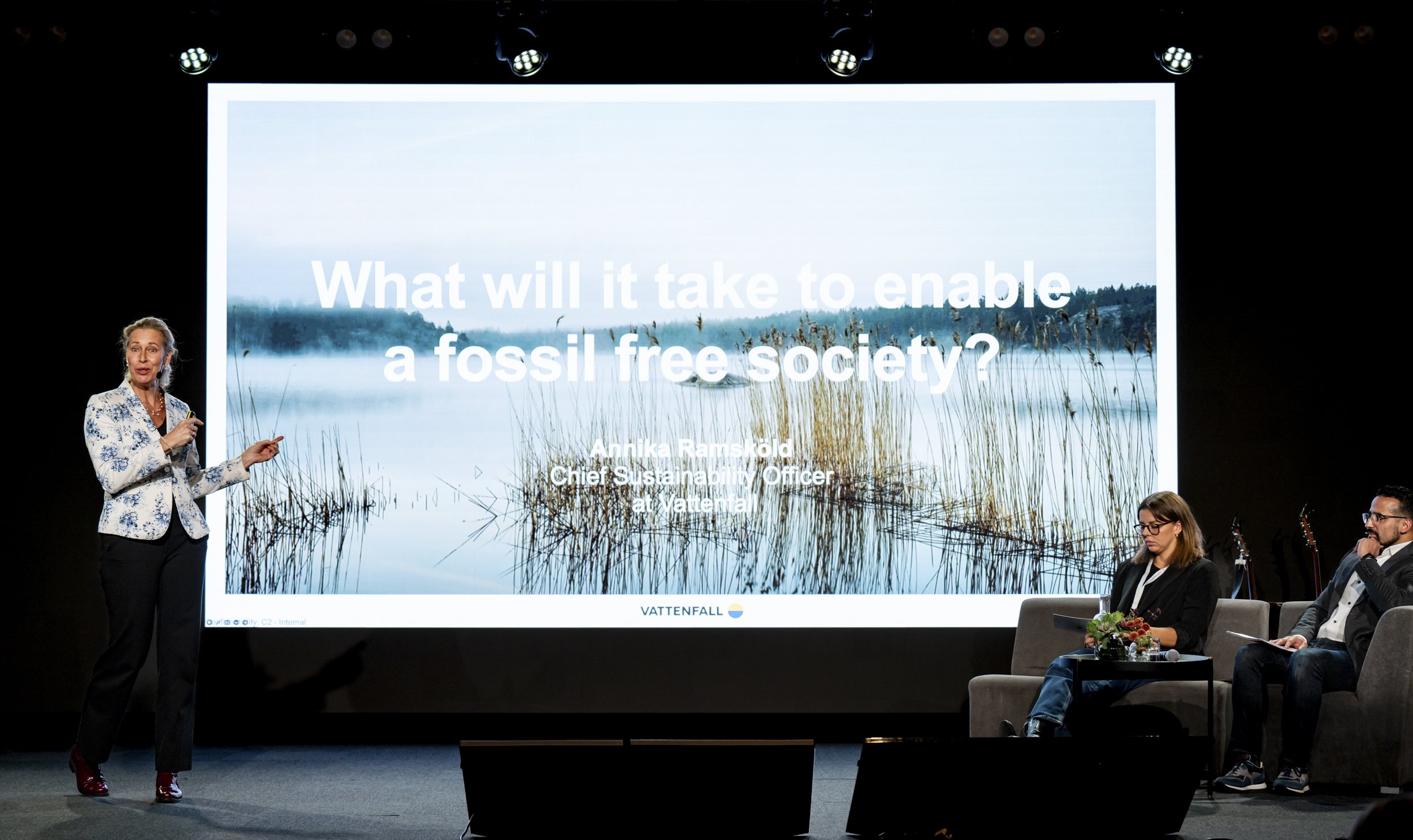
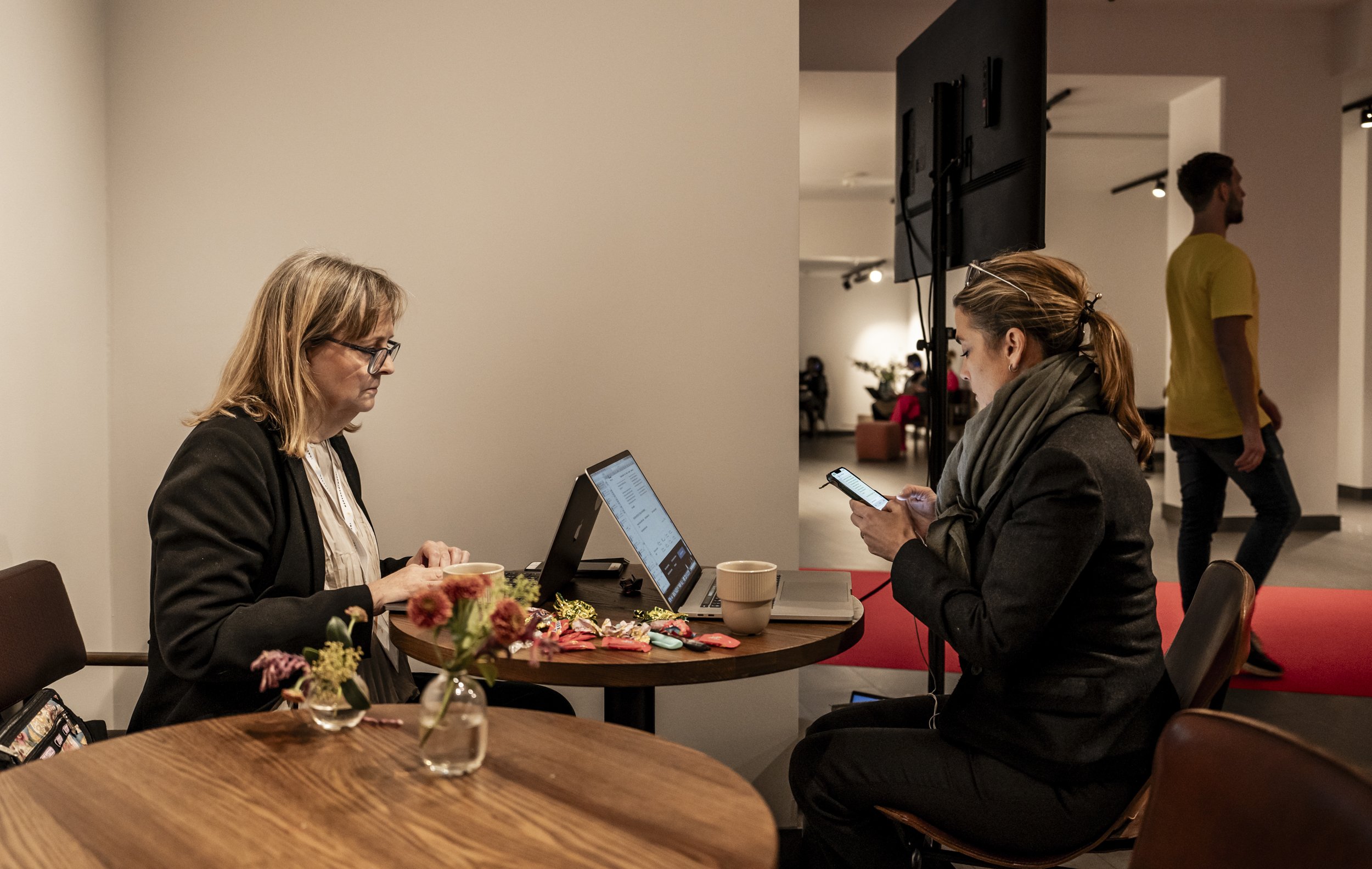
/Engineering Day 2023 is over. We would like to thank everyone who participated in our pod session and debate article, plus all the interested visitors to our little EWB-SWE “booth”, all the interesting speakers, and of course the people behind Ingenjörsdagen – Thank you for a great event! We will share a few photos from the event by courtesy of Ingenjörsdagen.


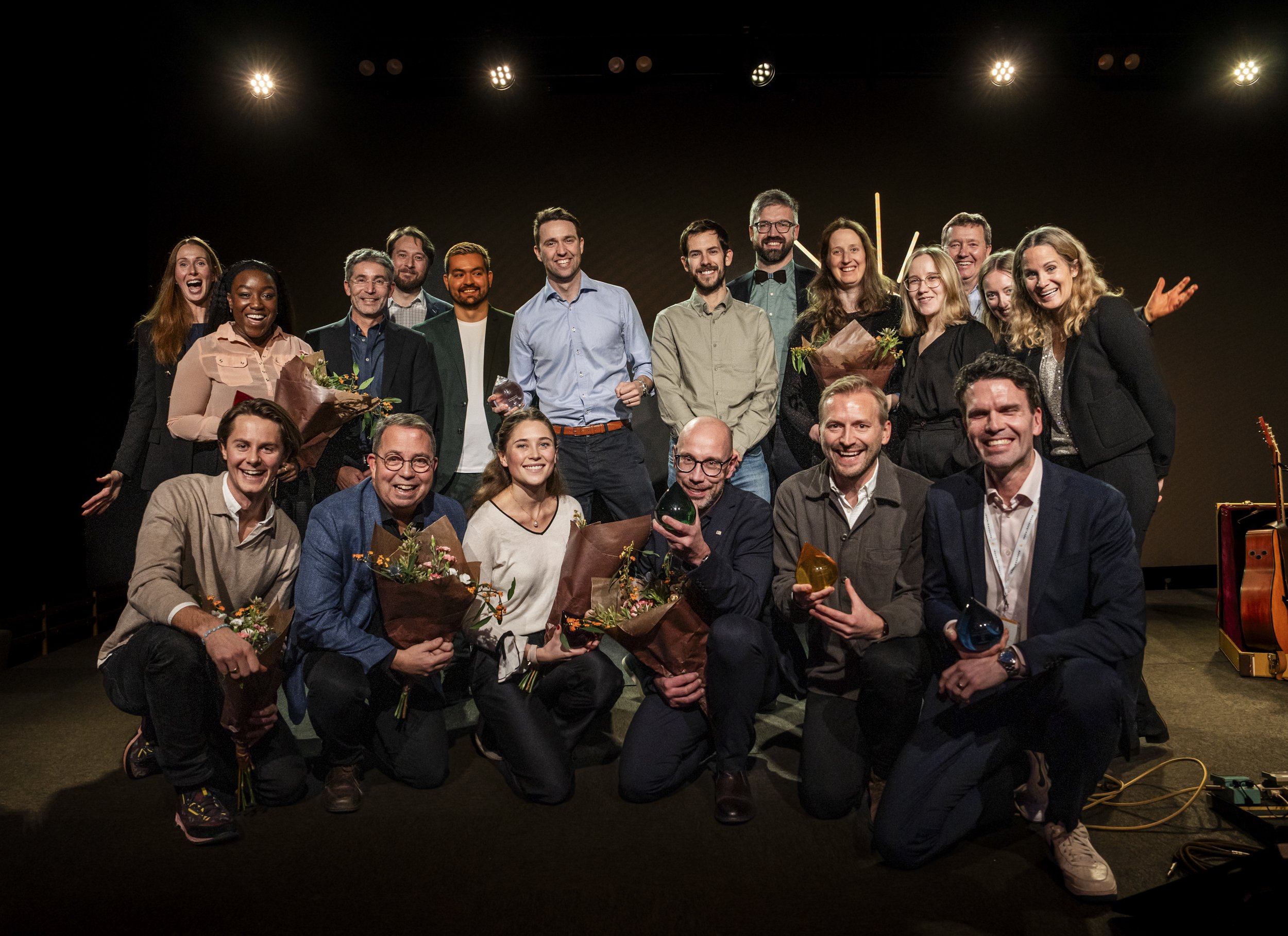

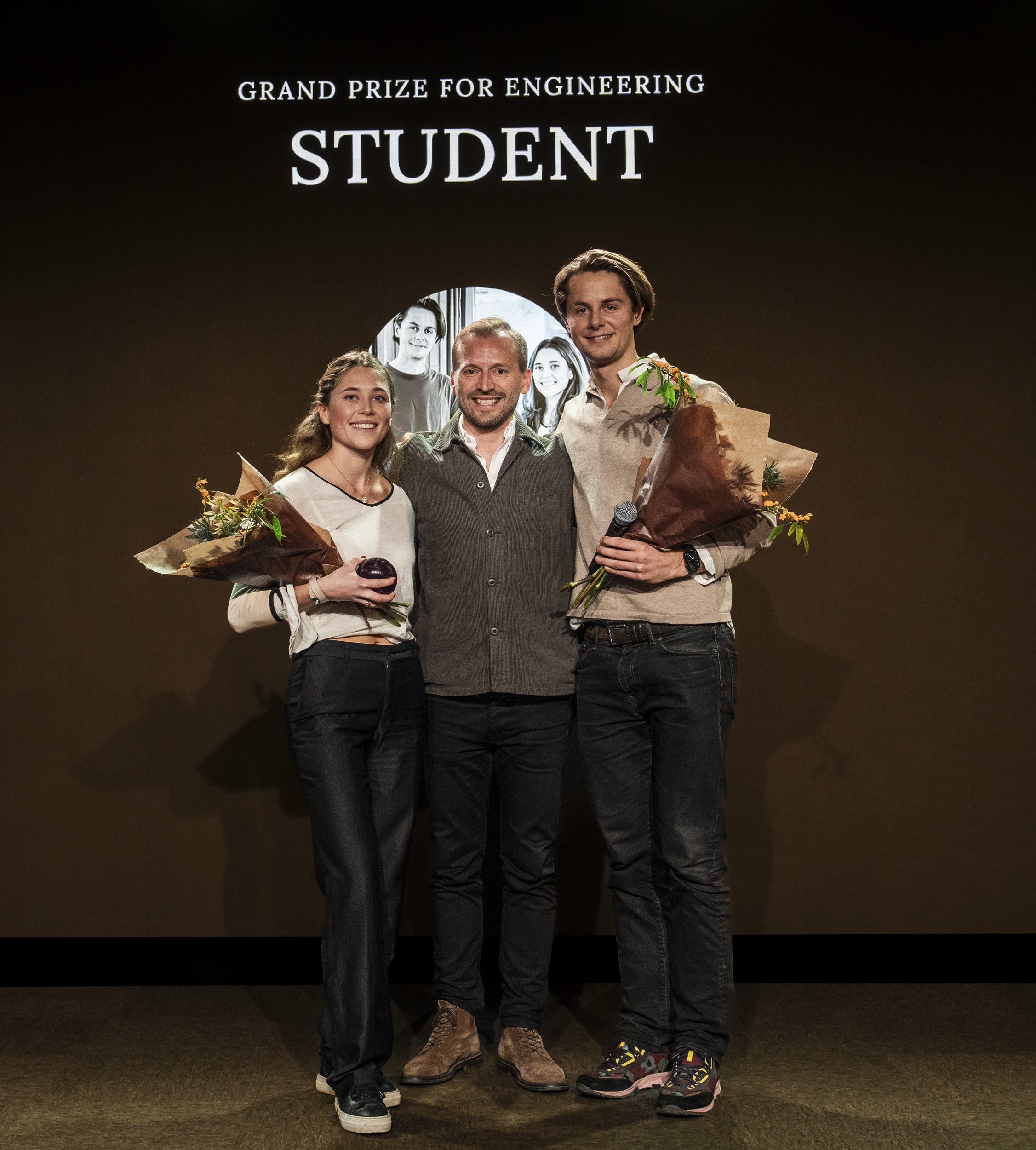
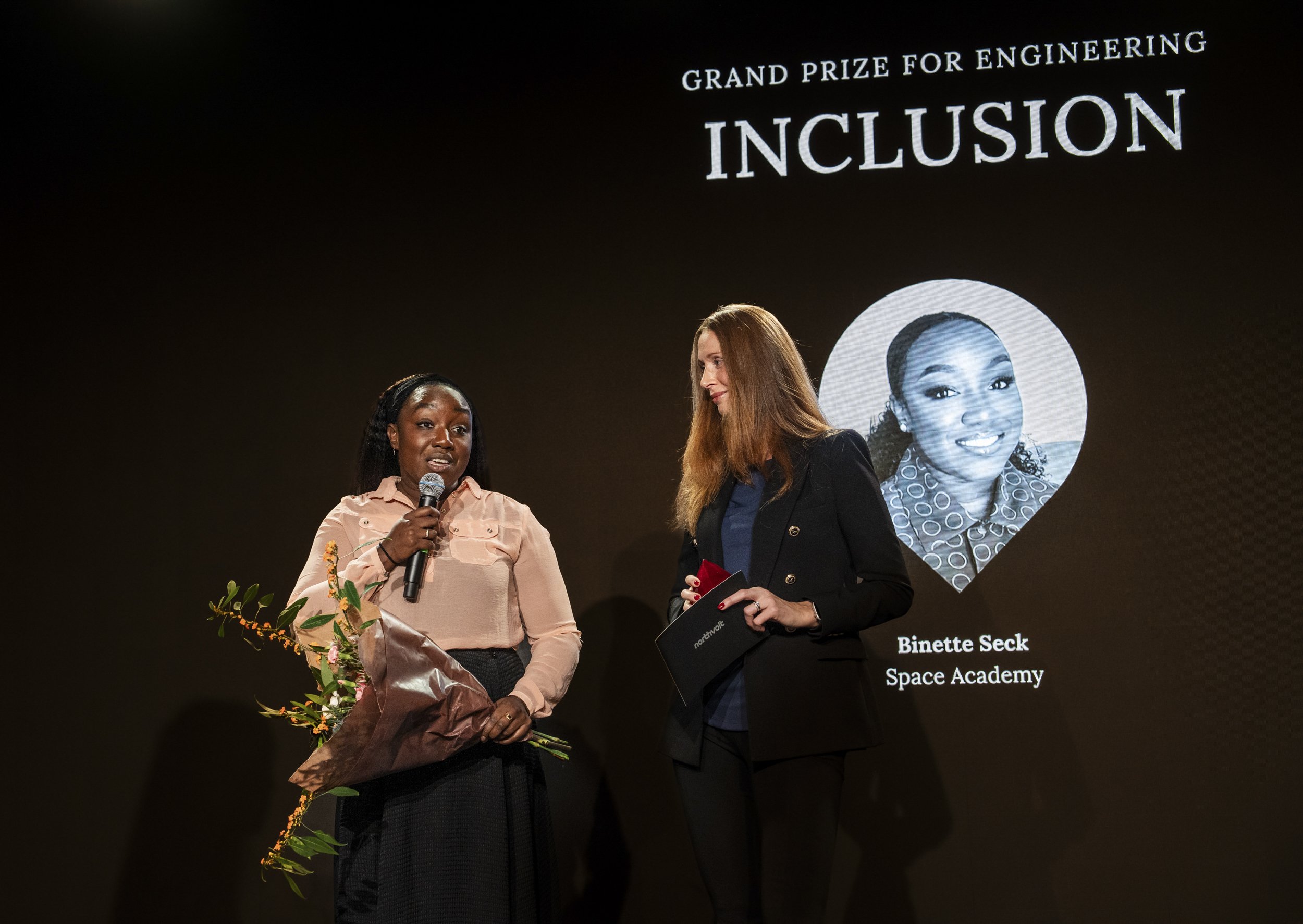
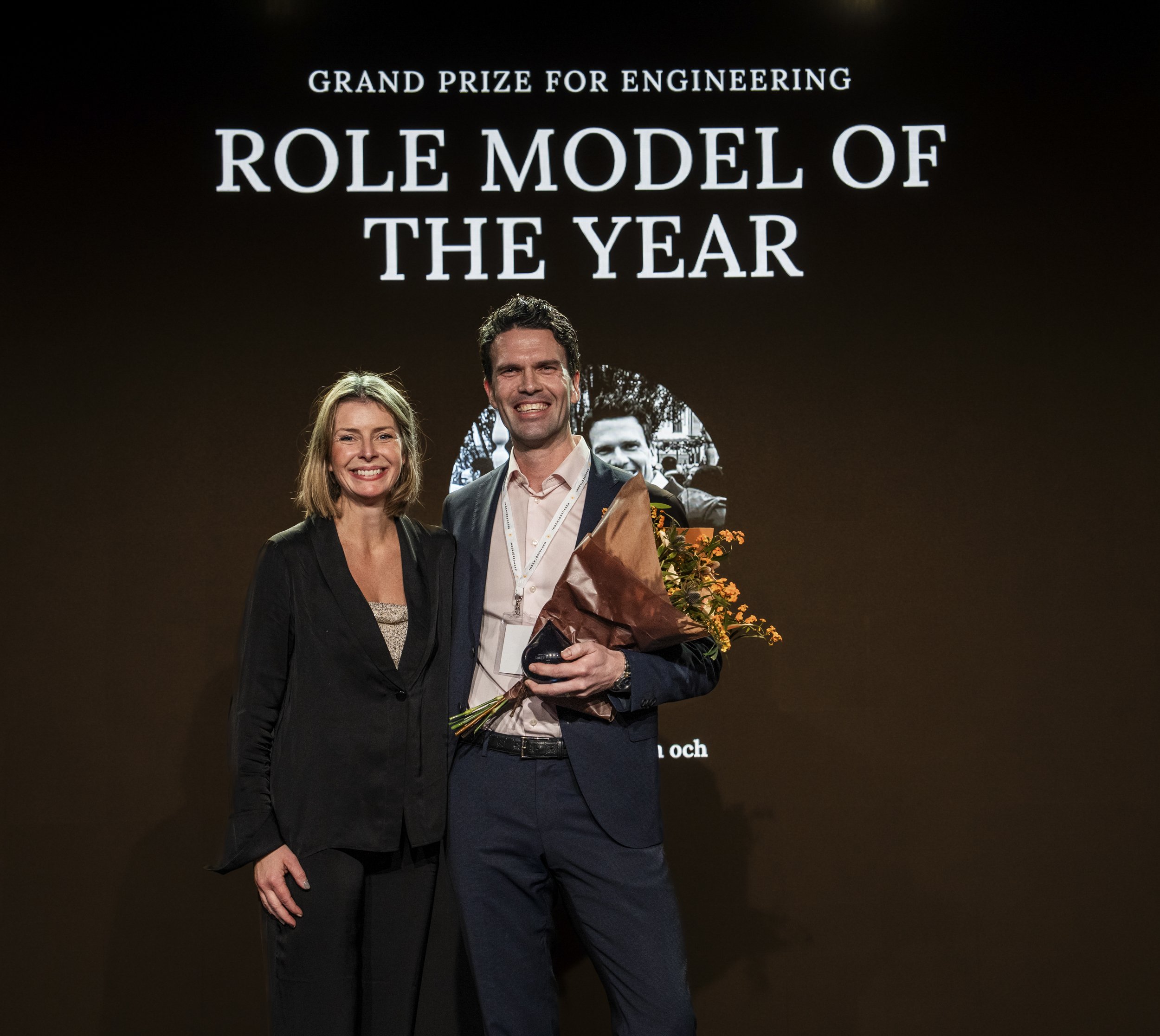
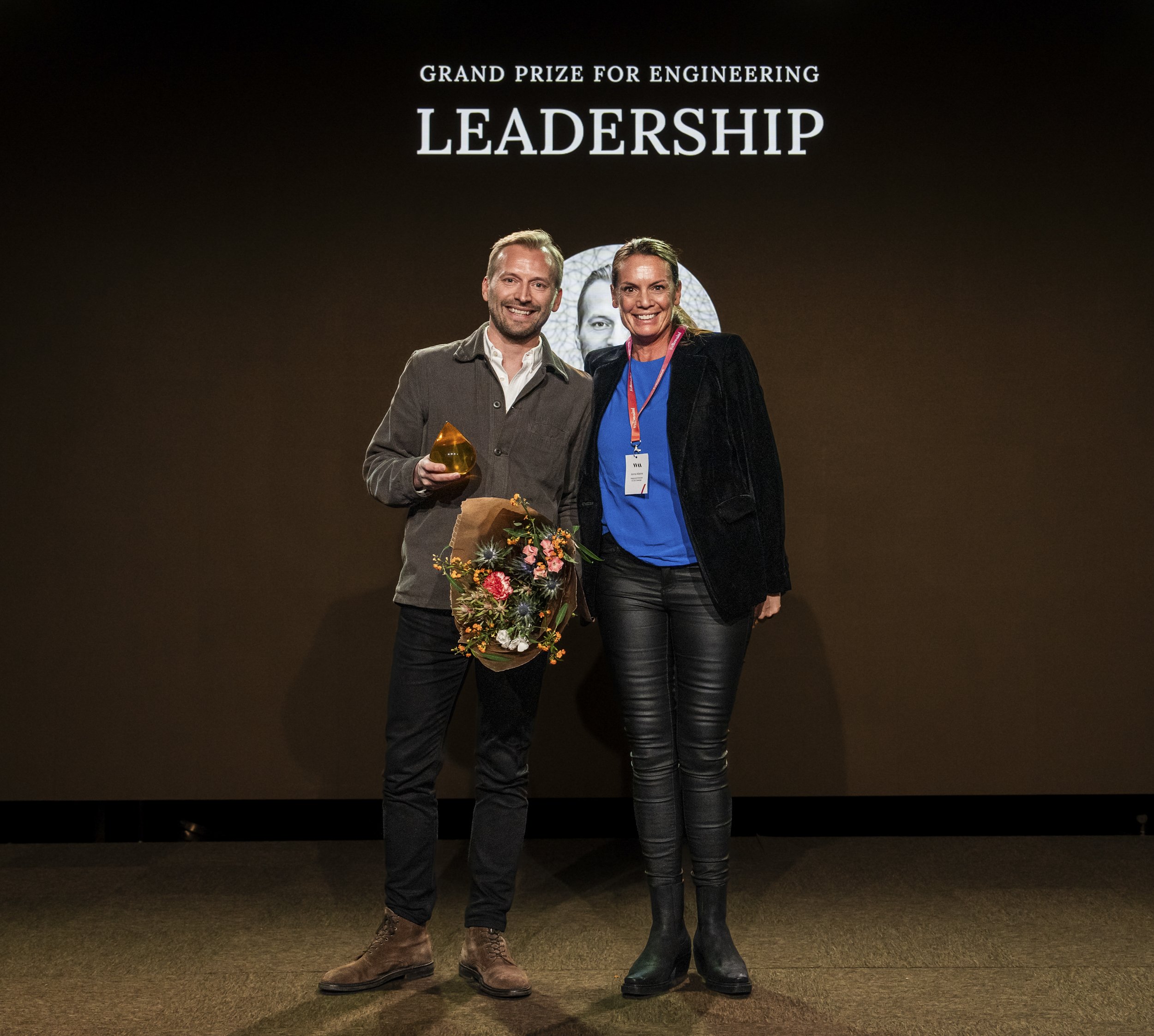
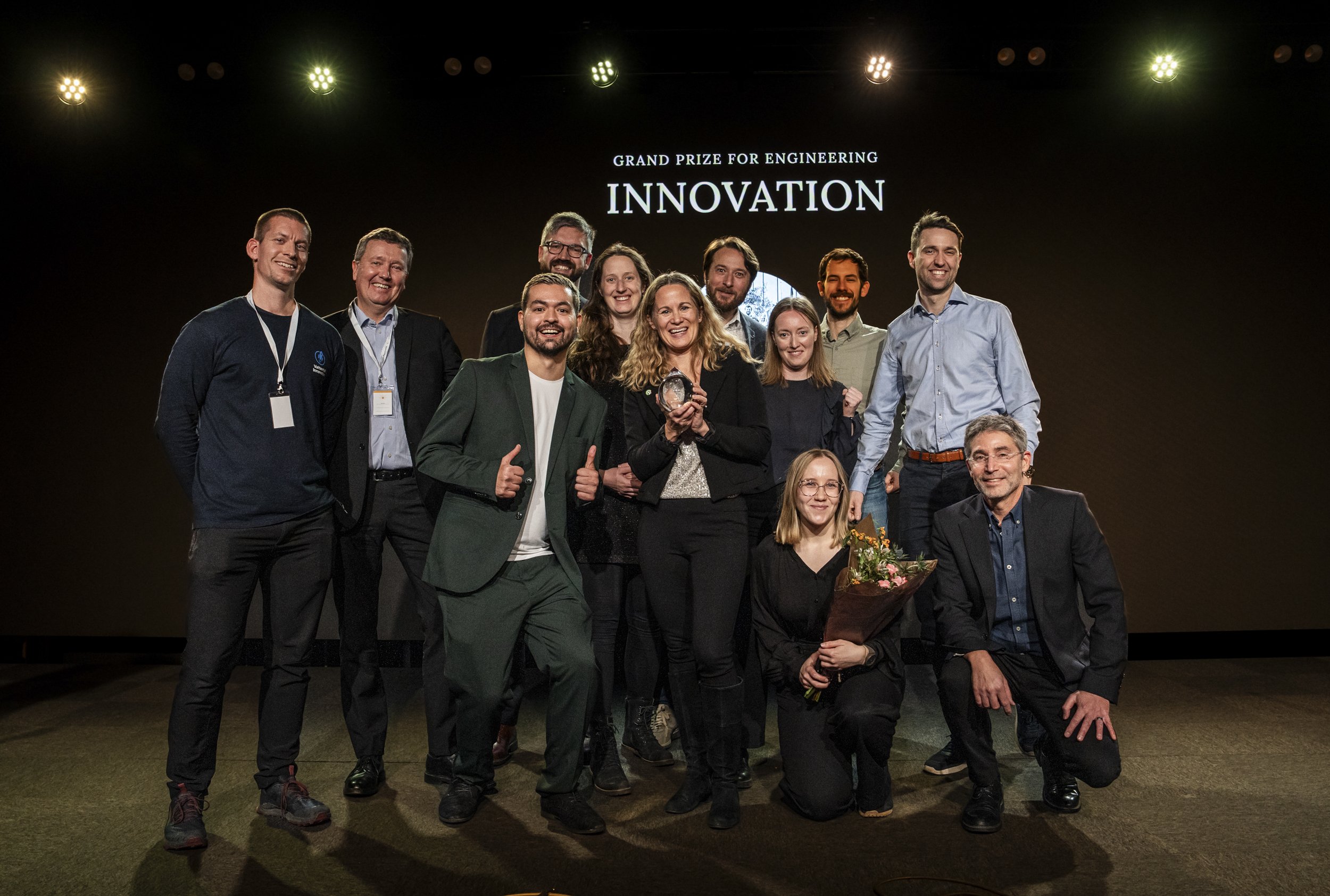

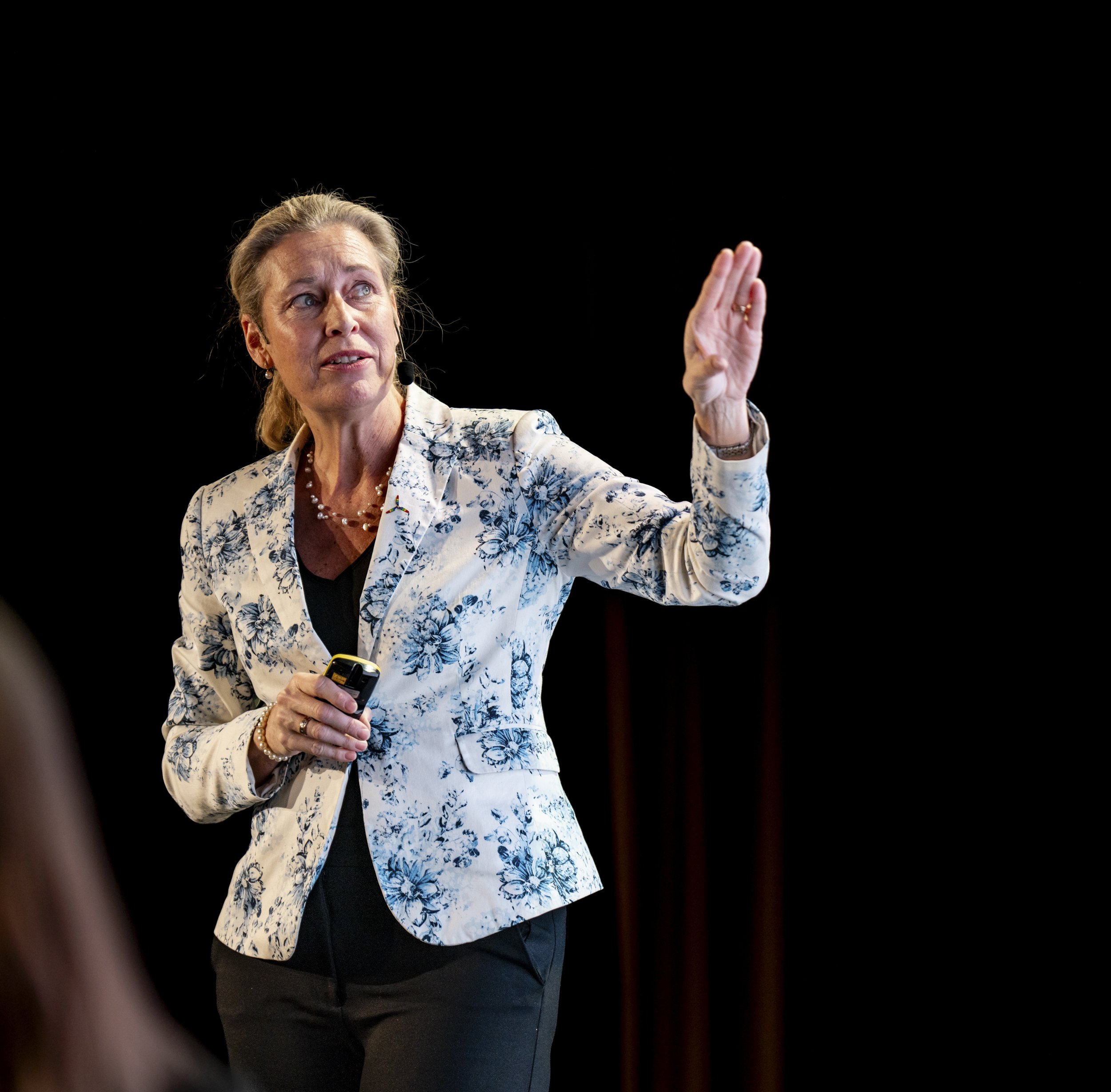
Congratulations to the winners of the Grand Prize for Engineering 2023.
Inclusion – Binette Seck, Space Academy
Innovation – Team EasyMining, Ragnsells
Leadership – Olof Johansson, Trafikverket
Role model of the year – Thomas Dalmalm och Per Vedin, Trafikverket
Sustainability – Fredrik Jonsson och Patrik Sundberg, Skellefteå Kraft
Student – Paula Runsten och Felix Kruse, Rebaba

Opinion: The Engineering Crisis Threatens Sweden's Future
/
Sweden, the land of peace and innovation. Sweden, where unicorns stand in a row. Our companies have flourished on the global stage thanks to our skilled workforce. The legendary entrepreneur Jason Calacanis once said that there are only two places for investors: Silicon Valley and Stockholm.
Today, along with the rest of the world, we face significant challenges. Challenges that could be solved with the help of technology and engineering. However, the current situation, with a severe shortage of engineers, threatens not just Sweden's success but also the future of the world.
The shortage of engineers is not news. For decades, companies, universities, and research institutes in Sweden have struggled to find enough technical competence to drive their projects and businesses forward. However, it is clear that the government's actions in recent years have not been sufficient to meet this challenge.
One of the most critical issues is the Swedish bureaucracy and its slow handling of education and workforce immigration. It is absurd that companies in desperate need of engineers are forced to wait months, sometimes years, for the necessary permits to be processed. In a global context where technological development is fast, every lost day is a lost competitive advantage.
Another aspect of the engineer shortage that deserves special attention is the uneven representation of genders within the technology sector. Women still constitute a minority among engineers, and this is an issue that concerns not only fairness and equality but also the loss of the benefits of diversity. New perspectives are required for further innovation.
The necessity of engineers extends beyond the economy. In the transition towards a climate-smart world, where we must develop and implement new technologies to reduce our environmental impact and preserve the planet's resources, engineers play a crucial role. They are the ones who design and implement sustainable energy solutions and create innovative methods to reduce our climate impact.
Addressing climate change and building a sustainable future requires increased engineering competence and efficient management of technological innovation. Therefore, the government should see the shortage of engineers as a matter of both economic competitiveness and climate protection and take action accordingly. It is high time to ensure that we have the necessary resources and talents to meet the challenges of the future.
The government should consider tax incentives for companies that invest in technical skill development and hire more engineers. This would encourage companies to prioritize technical competence and help to educate and recruit more engineers. The government should also consider mentoring programs where senior female engineers can support and mentor younger ones, thereby giving them the experience, guidance, and, most importantly, comradeship that can be lacking for female engineers.
In the end, this is about ensuring Sweden's future and our economic survival. We can no longer ignore the problem of the shortage of engineers, and it is high time we begin to act with the urgency that the situation demands. Sweden deserves its place as a world leader, but only as long as we invest in our own population. It's time for the government to wake up.
Signed by:
Caroline Edelstam, Secretary-General for Engineers Without Borders
Mats Hellström, Chairman of Norden International, former Minister for Foreign Trade and Agriculture in Sweden, Ambassador and UN delegate
Marie Ideström, Co-founder and CEO of Womengineer
Linus Persson, Founder of Ingenjörsdagen / Engineering Day Sweden
Shiva Sander-Tavallaey, AI Specialist and Adjunct Professor at KTH
Empowering Children through a Rights-Based Approach
/EWB-SWE’s Commitment on World Children's Day 2023
As we celebrate World Children's Day 2023, Engineers Without Borders Sweden (EWB-Swe) takes pride in aligning our mission with a profound commitment to upholding the rights of every child. This global observance, marked annually on November 20th, commemorates the adoption of the United Nations Convention on the Rights of the Child (UNCRC) in 1989. This year's theme, 'For Every Child, Every Right', resonates deeply with our dedication to ensuring the safety and well-being of children worldwide.

Orphanage centre in Chonyonyo, Karagwe, Tanzania
The Roots of World Children's Day
Since 1954, World Children's Day has served as a reminder of the importance of prioritizing children's rights in the pursuit of a better world. The UNCRC outlines the special rights children require for protection, care, and support during their formative years.
A Rights-Based Approach
At EWB-Swe, we actively incorporate a rights-based approach into our projects, recognizing the transformative impact it can have on the well-being of individuals and communities. This approach goes beyond traditional aid models, viewing children and adults not as passive beneficiaries but as active agents in decisions shaping their lives. In essence, a rights-based approach centers on recognizing and fulfilling the fundamental rights of individuals, primarily children, ensuring they actively participate in the decision-making processes that affect them. By prioritizing these rights, our aim is to empower communities, enabling children to assert their entitlement to respect, protection, and the necessary support for their rightful development.
Example Project: An Initiative to Improve Education Facilities in Tanzania (SWASH Project)
In collaboration with the Tanzanian aid organization Mavuno Project, EWB-SWE has been actively engaged in a transformative initiative for over ten years. Focused on multiple districts in North-Western Tanzania, this SWASH (School Water, Sanitation, and Hygiene) project aims to systematically enhance water and sanitation conditions in 131 primary schools, benefitting approximately 80,000 children.

Orphanage centre in Chonyonyo, Karagwe, Tanzania
The reality in these regions involves overcrowded, understaffed schools with substandard infrastructure and limited access to water and electricity. This challenging environment significantly hampers the quality of education, with insufficient drinking water, unsanitary conditions, and a lack of facilities for girls during menstruation leading to a high absence rate. EWB-SWE's goal has been to implement water tanks providing clean water in 30 schools. Despite numerous challenges, 21 schools have already received clean water, benefiting over 20,000 students.
Our ongoing efforts include designing adequate toilets, exploring water purification techniques, and enhancing water quality in collaboration with Mavuno. This holistic approach not only improves water access but also contributes to creating a conducive environment for education, health, and overall well-being, where children of the communities can have a happy childhood.
On this World Children's Day
EWB-Swe invites you to join us in championing a rights-based approach to secure every child's safety, happiness, and access to opportunities. Together, we can create a world where children's rights are not just acknowledged but actively upheld, fostering a brighter future for generations to come. In supporting initiatives like our SWASH project, we strive to make a lasting impact on children's lives, ensuring they grow up in environments that nurture their potential and provide a foundation for a better tomorrow.
Sakib Muktadir

SAKIB MUKTADIR, INTERNATIONAL PROJECTS INTERN AT EWB-SWE