Celebrating the Power of Collective Action: International Volunteer Day

In a world filled with challenges—inequality, global warming, injustice—we all carry our baggage. But where some feel a burden, others discover their strength and find inspiration to take action.PHOTO:UNV

This year, as the world commemorates International Volunteer Day (IVD) on December 5, the focus is on the transformative power of collective action — a theme that resonates deeply with Engineers Without Borders Sweden (EWB-SWE). With the underlying message of 'if everyone did,' this day highlights the limitless possibilities of volunteerism in driving positive sustainable development, fostering inclusive societies, and addressing global challenges.

At EWB-SWE, we proudly stand as a testament to the power of volunteerism. Our organization is driven by the commitment of volunteers - from professional engineers to other specialists, and dedicated students in major university cities. These individuals form the backbone of our operations, embodying the spirit of volunteerism in every project and initiative.

862.4 million volunteers worldwide

According to the 2022 report by the United Nations Volunteers (UNV), there are approximately 862.4 million volunteers worldwide, with most volunteering informally among individuals. While 14.3% of the global population engages in this informal volunteering, 6.5% participate in formal volunteering through organizations. Interestingly, while formal volunteers predominantly consist of men, women are more likely to be informal volunteers.

Volunteers play a crucial role

Volunteerism stands as a renewable resource for addressing social, economic, and environmental challenges. Volunteers are often the first responders in crises, demonstrating immense resilience and dedication in testing situations. Their role is crucial in building inclusive, peaceful societies, and in achieving goals like universal education, environmental sustainability, and public health.

Driving positive change

This International Volunteer Day, EWB-SWE joins the global community in recognizing and celebrating the invaluable contributions of volunteers. Our own volunteers, through their expertise and commitment, play a pivotal role in our efforts to create sustainable solutions and drive positive change. Their collective actions reflect the theme of this year's IVD: the extraordinary impact that can be achieved when everyone contributes.

#IfEveryoneDid

We would like to join in acknowledging volunteers worldwide by using the hashtags #IfEveryoneDid and #IVD2023. This day, mandated by the UN General Assembly, is not just an occasion to celebrate volunteer efforts but also to share values, promote work in communities, and collaborate with NGOs, UN agencies, government authorities, and the private sector.

In line with the UNV's advocacy for volunteer recognition and its integration into development programming, we at EWB-SWE continue to mobilize volunteers, harnessing their potential to contribute to sustainable development. This International Volunteer Day, let us all acknowledge and celebrate the power of collective action and the remarkable difference each volunteer can make in creating a better world for all.

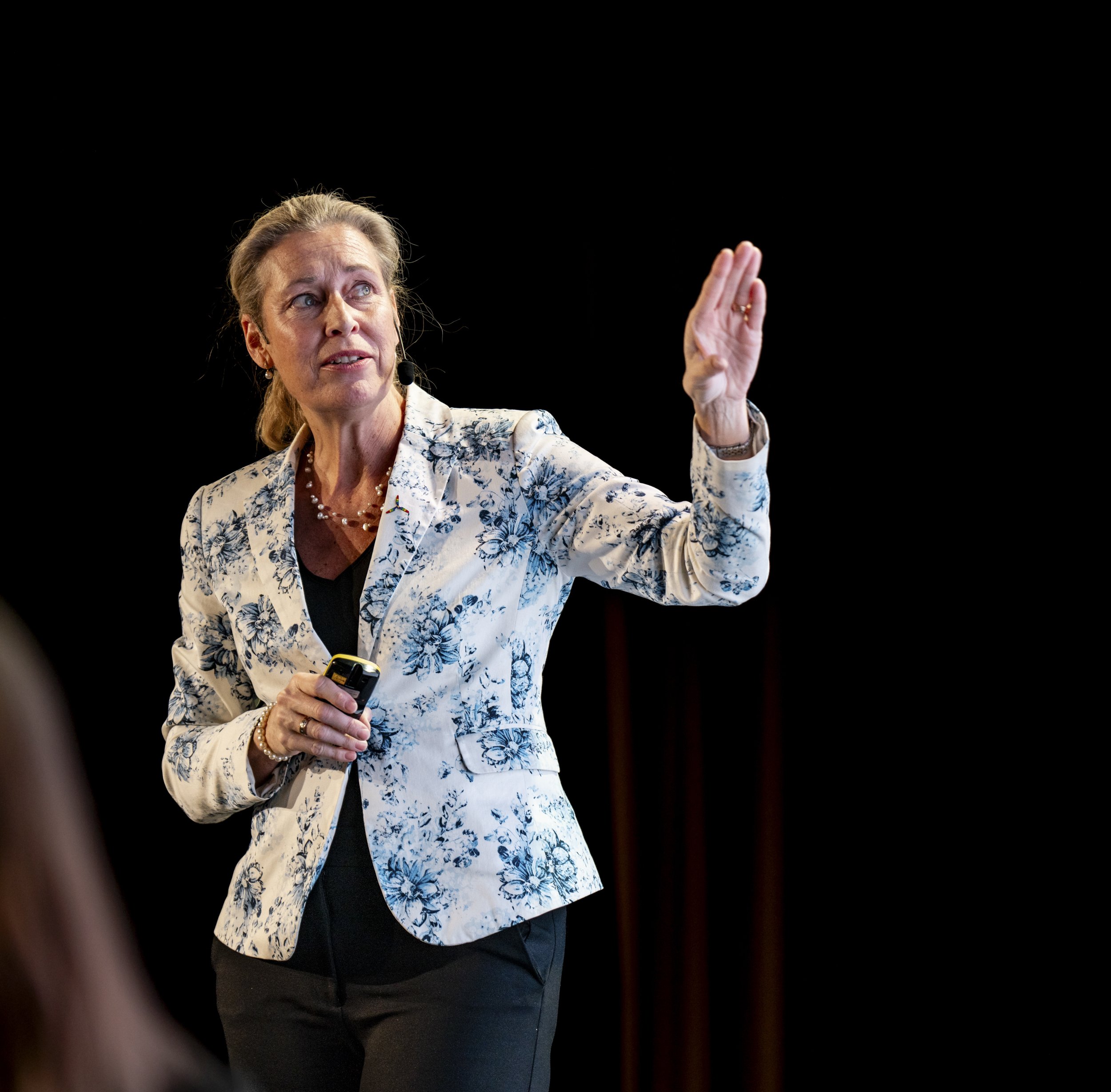
Caroline Edelstam, Secretary-General, Engineers Without Borders Sweden
Throw Back to Engineering Day!

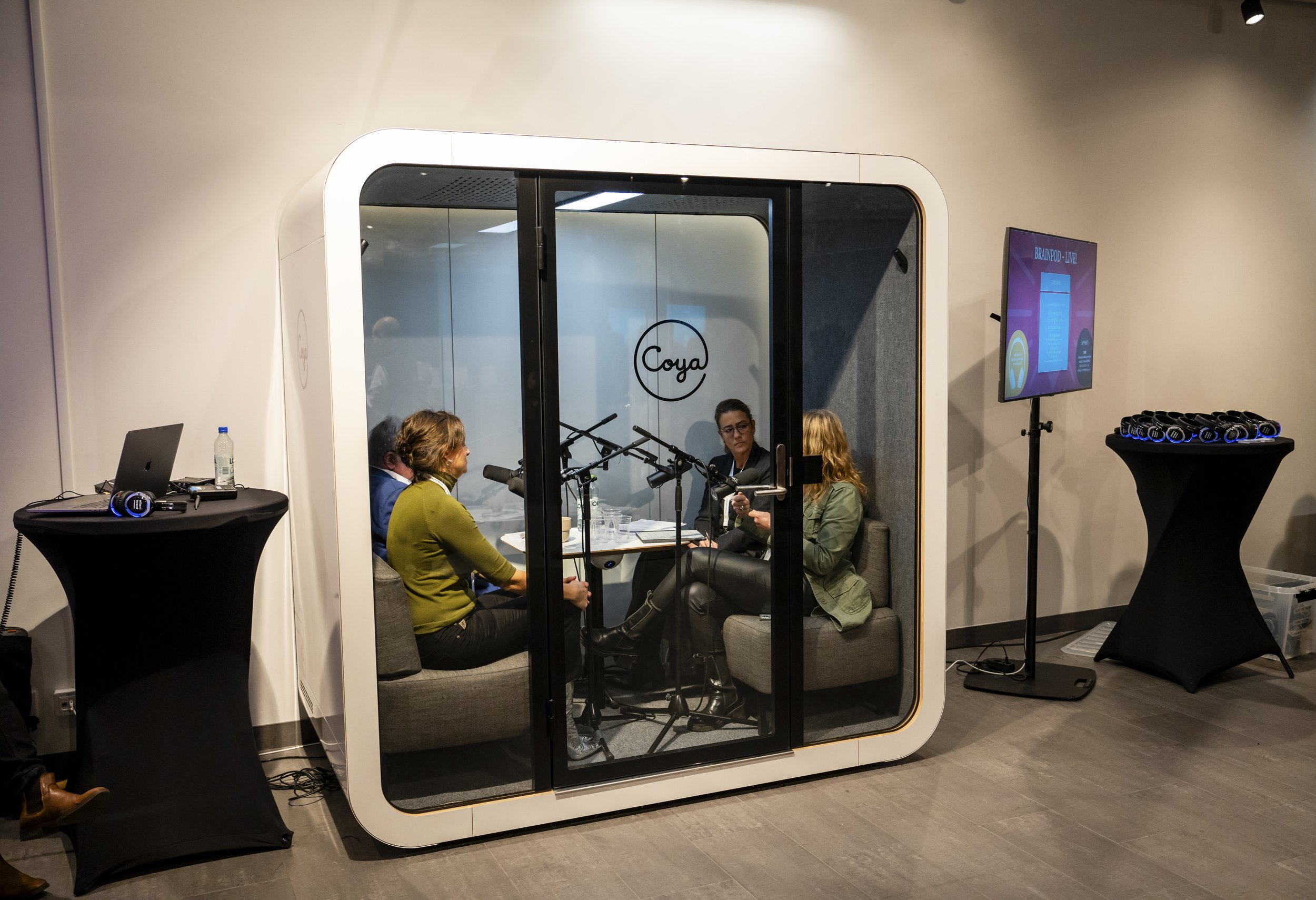
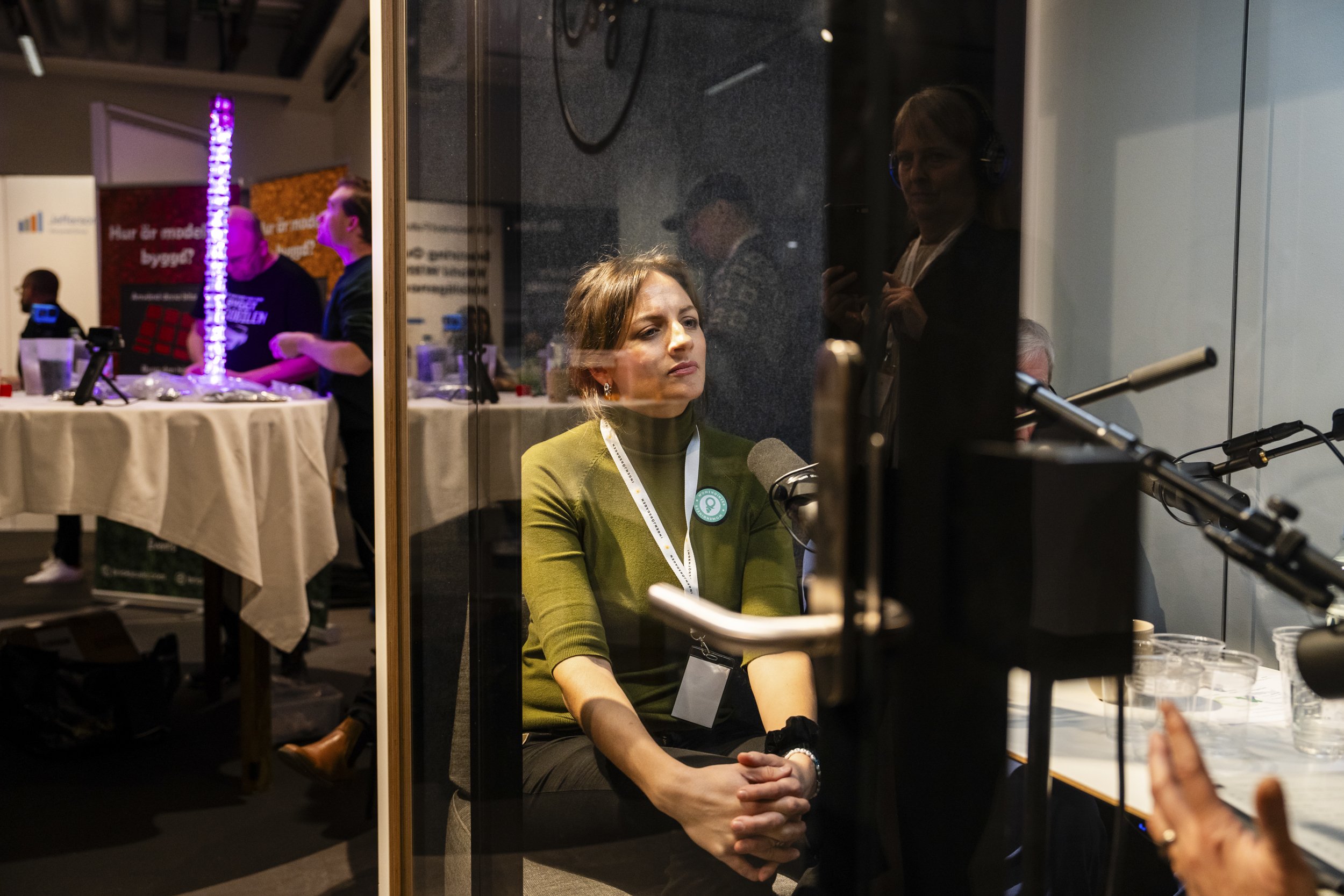
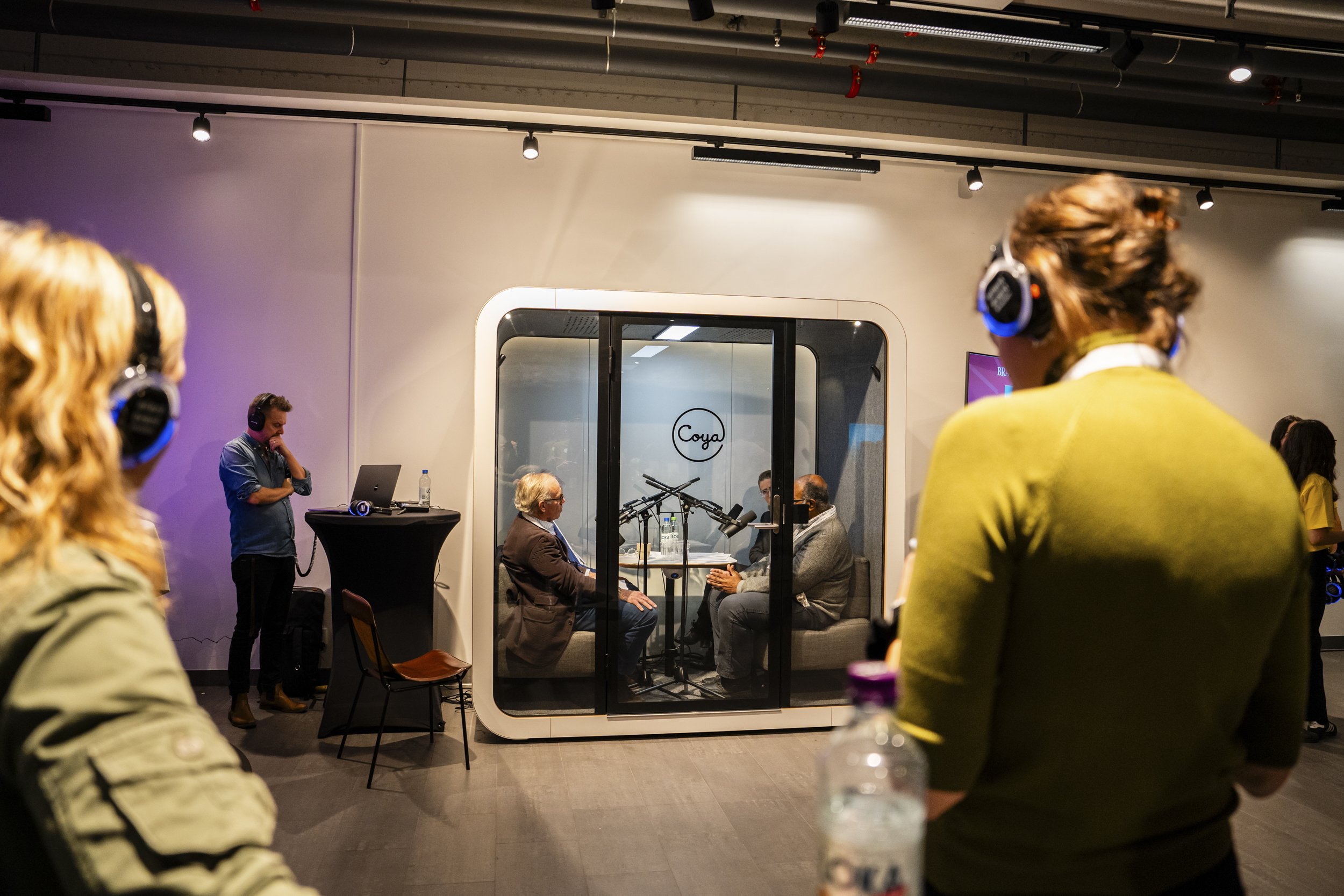
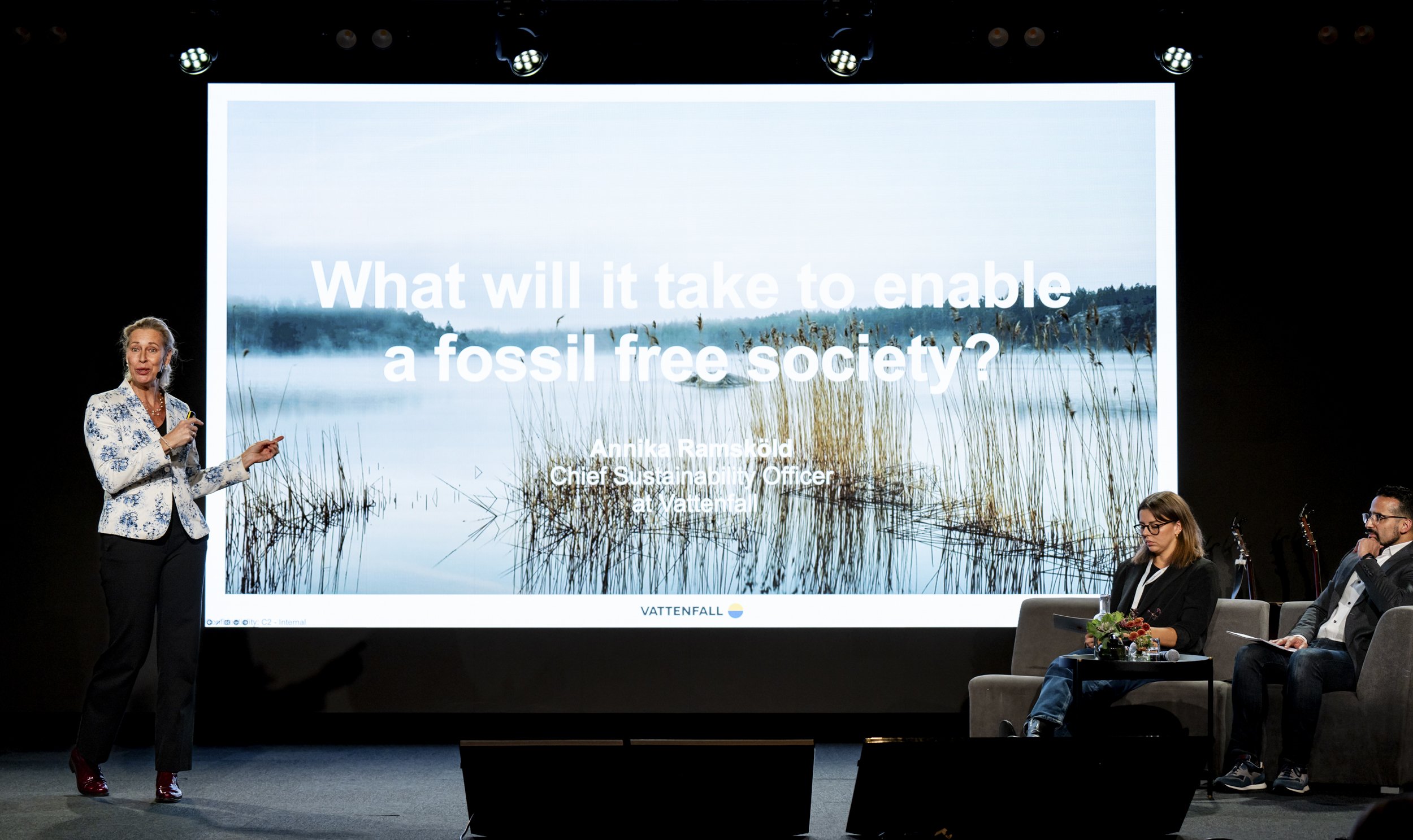
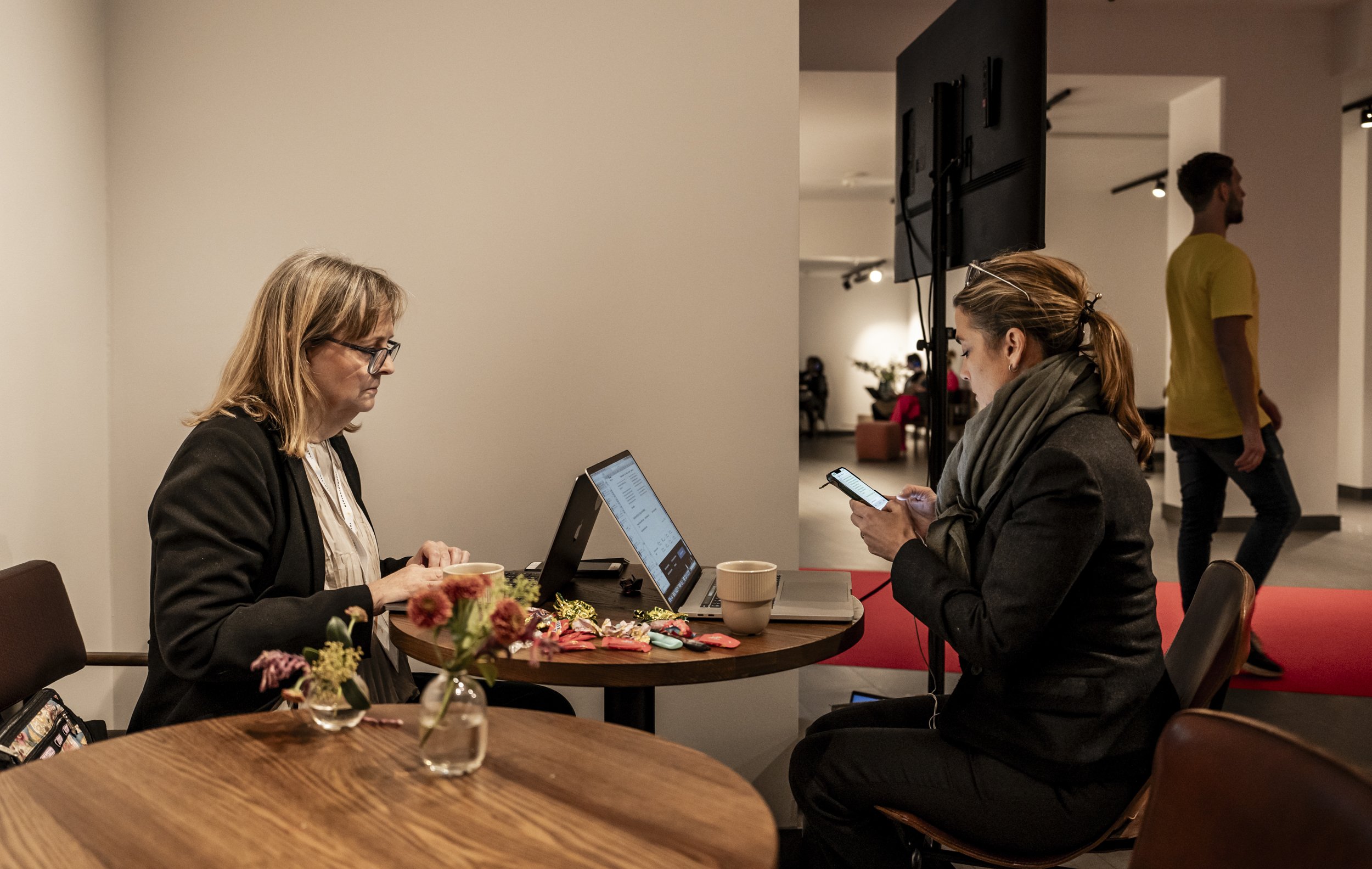
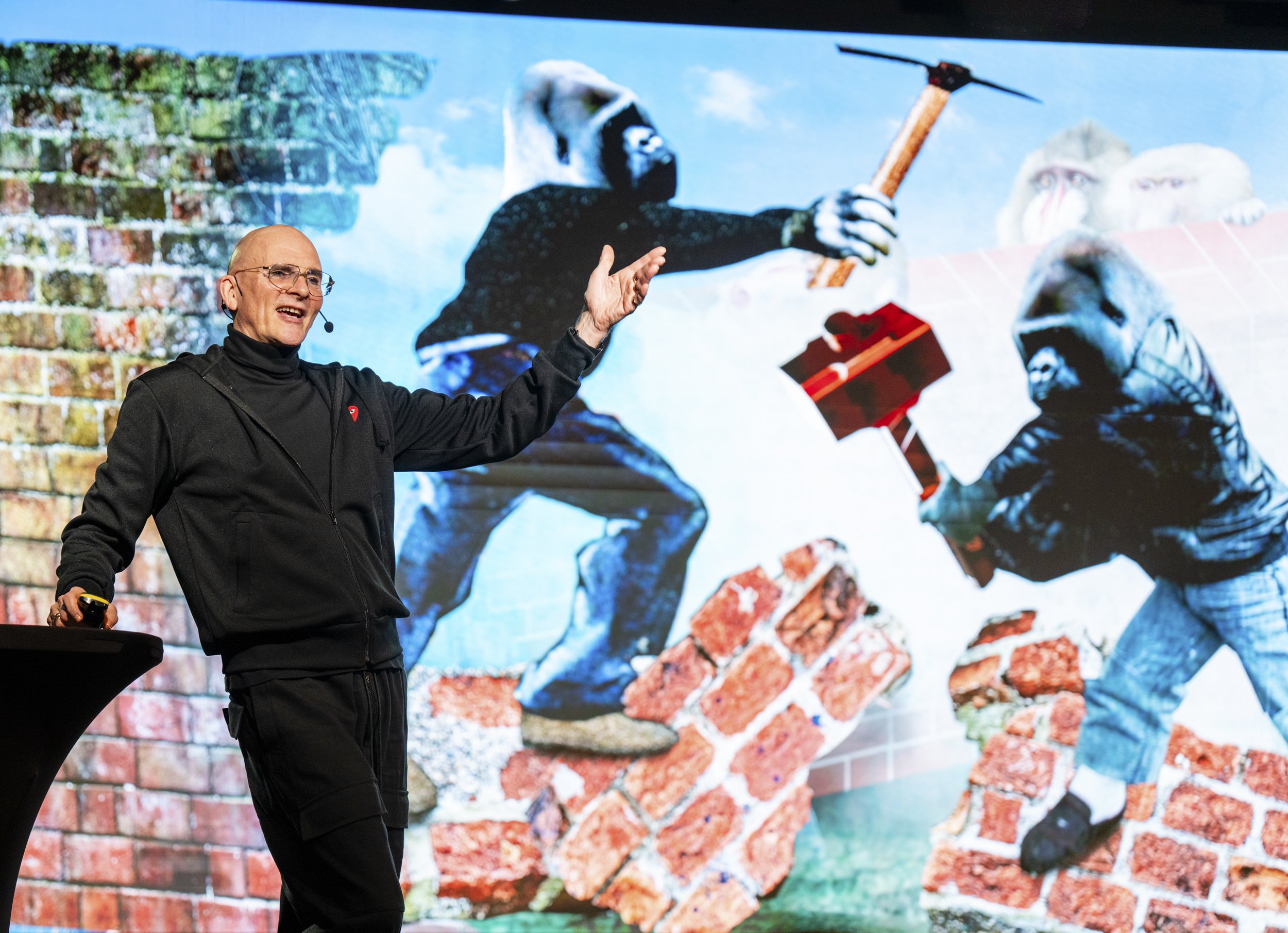
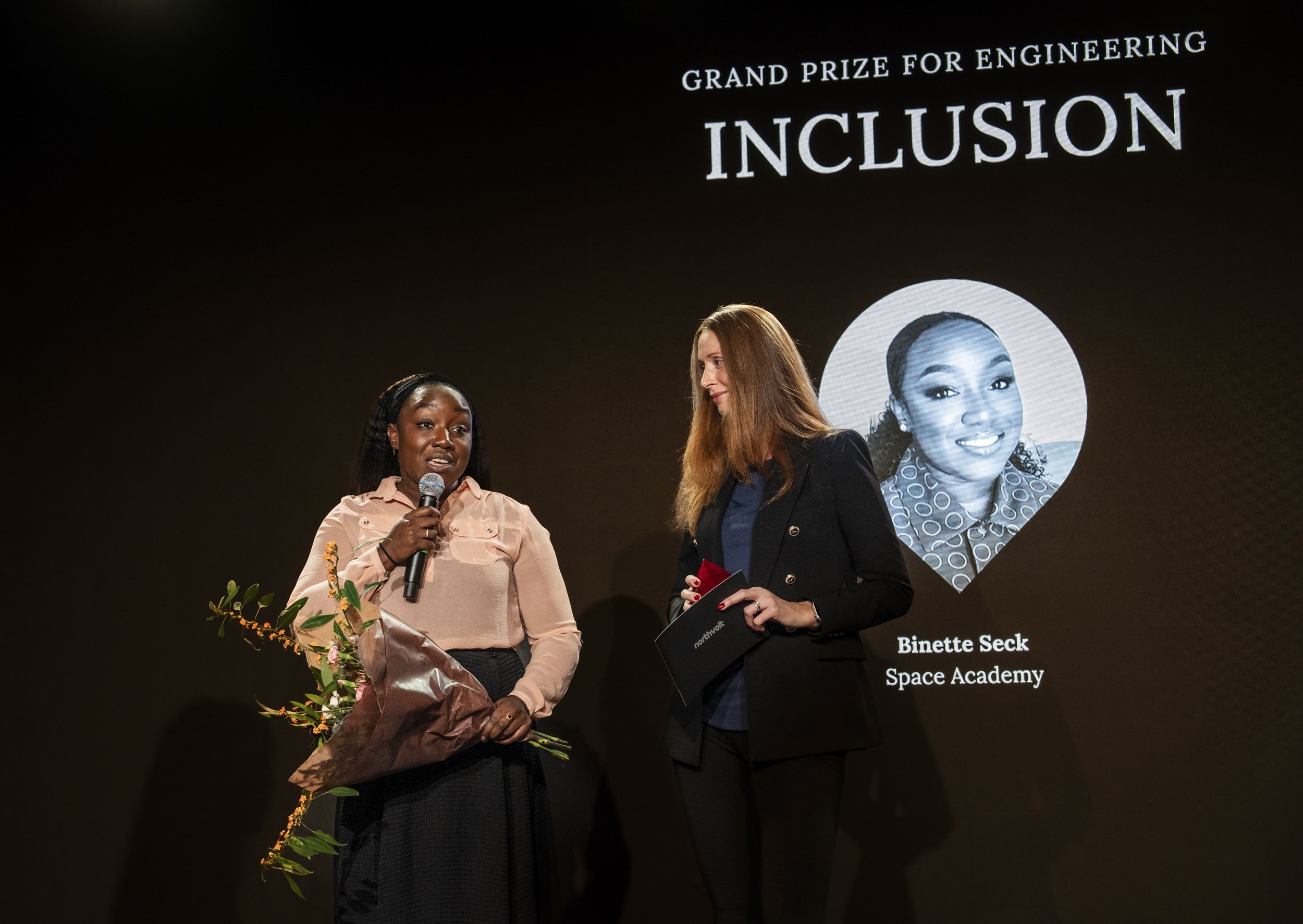
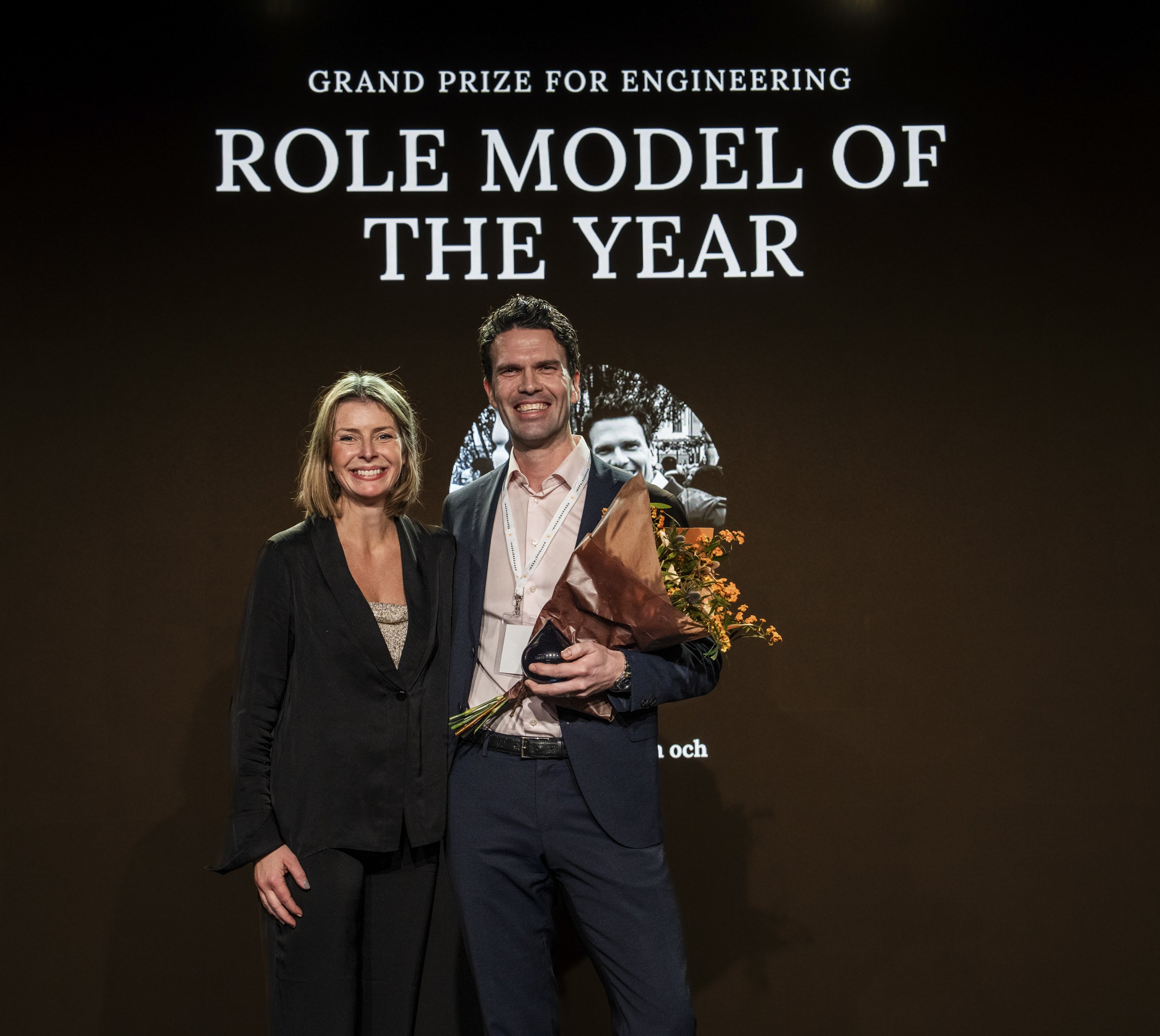
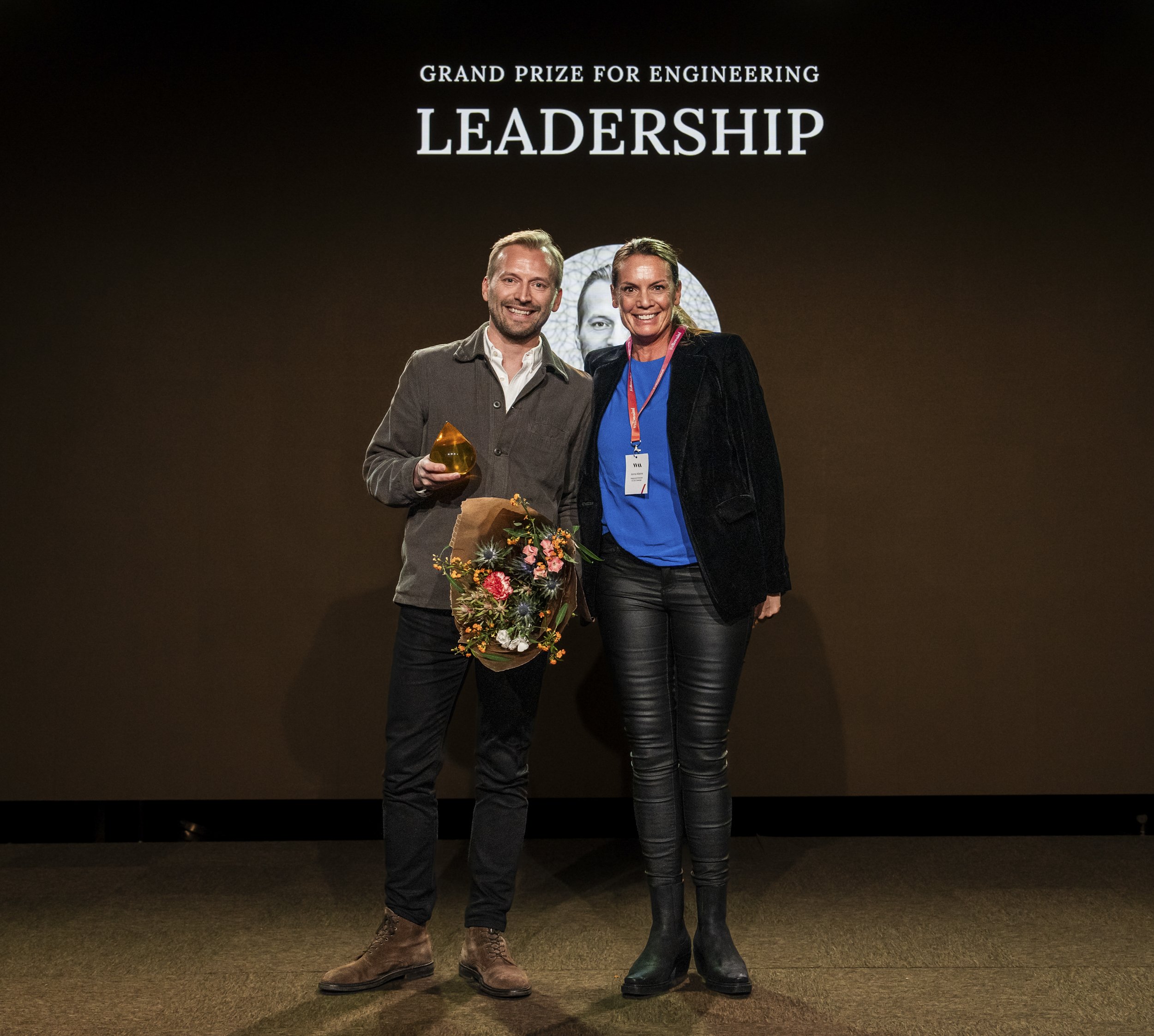
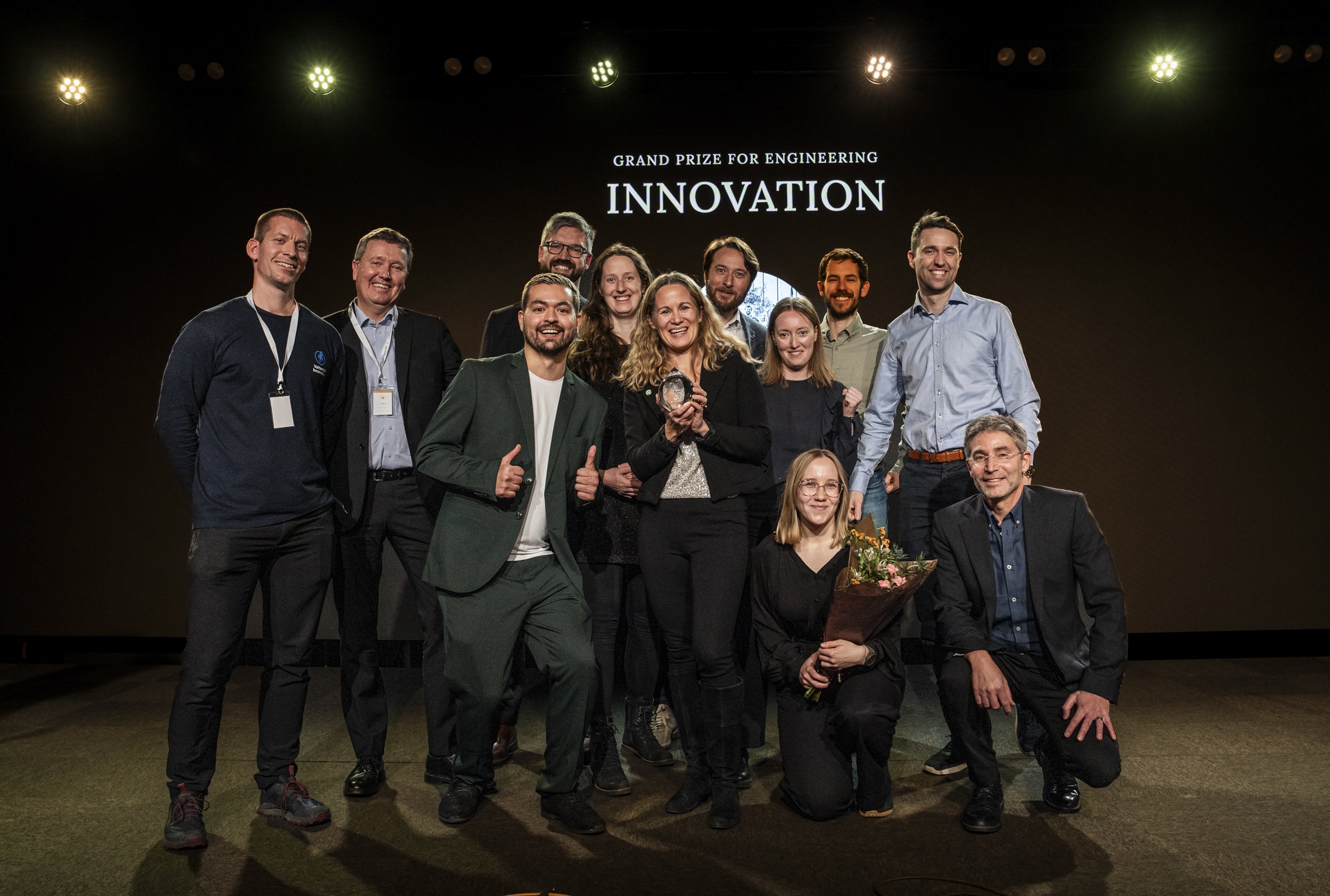
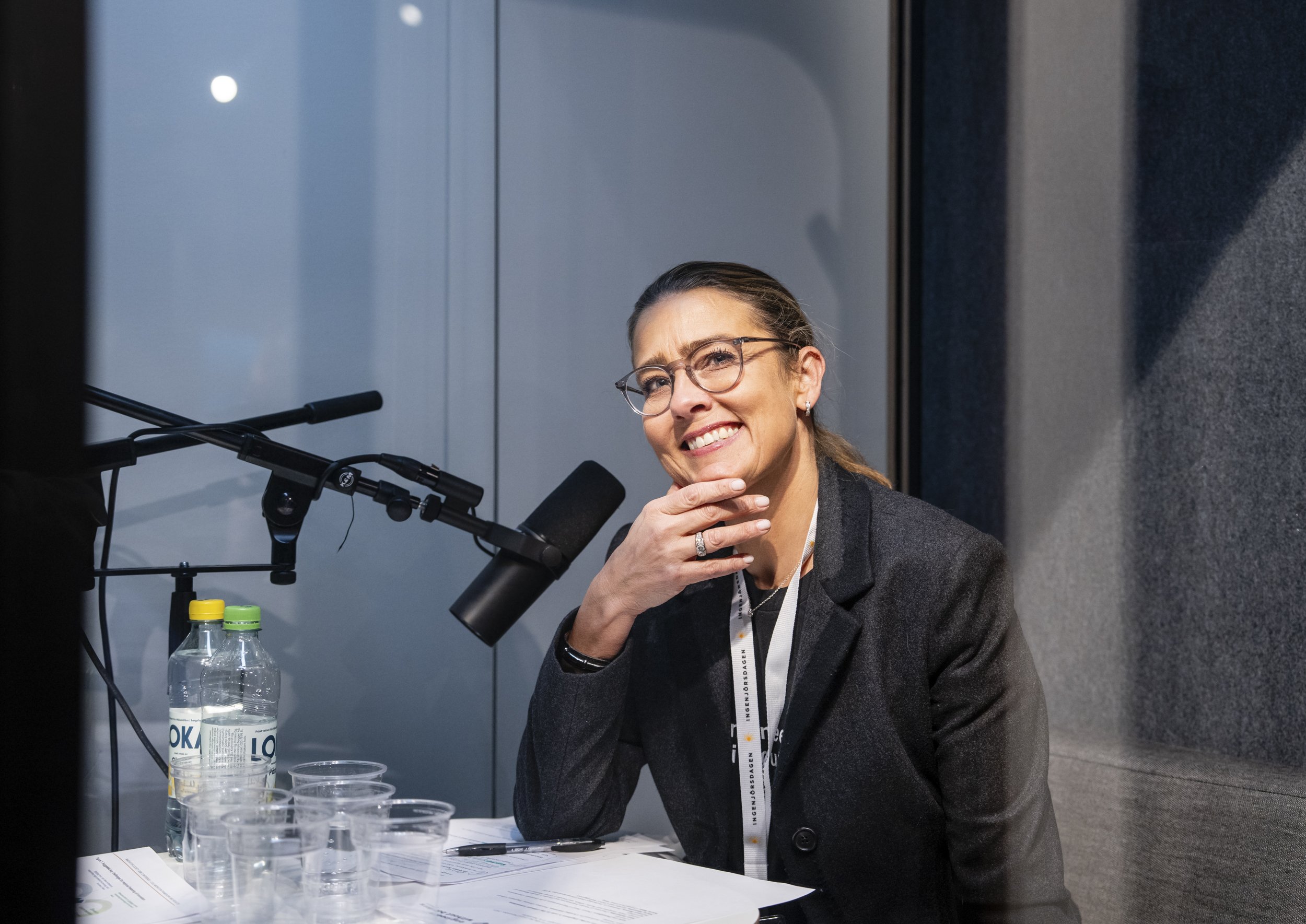
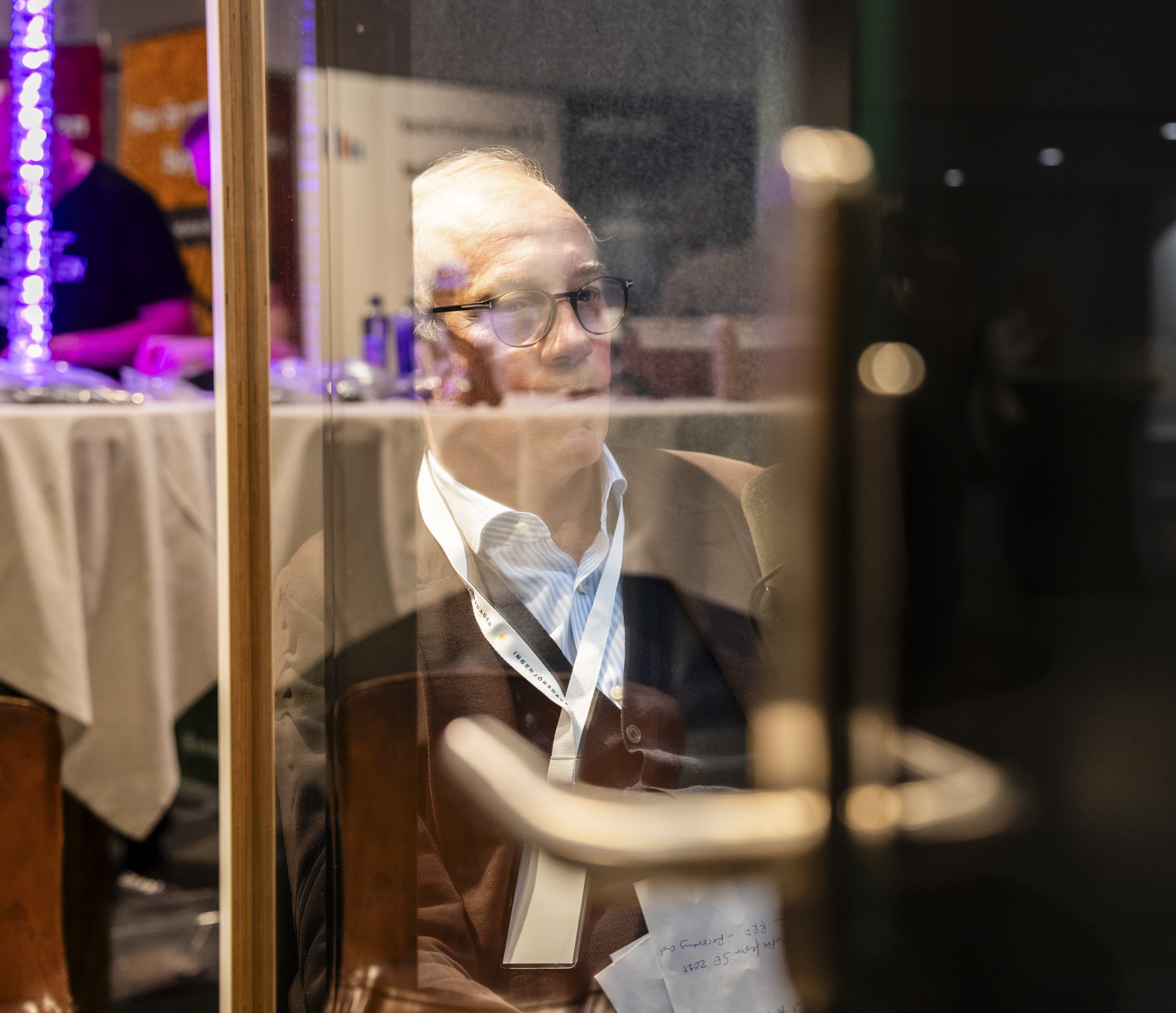
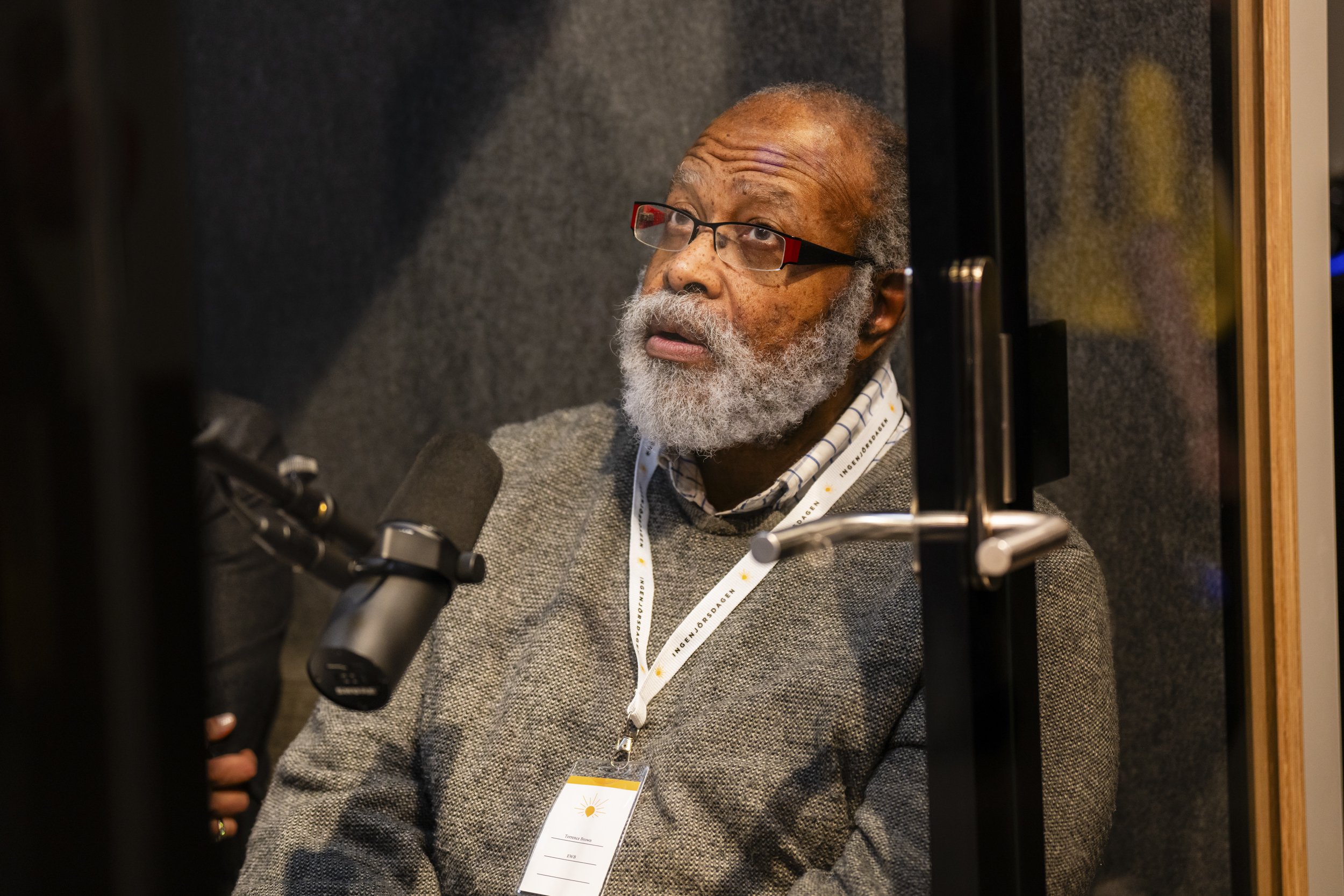
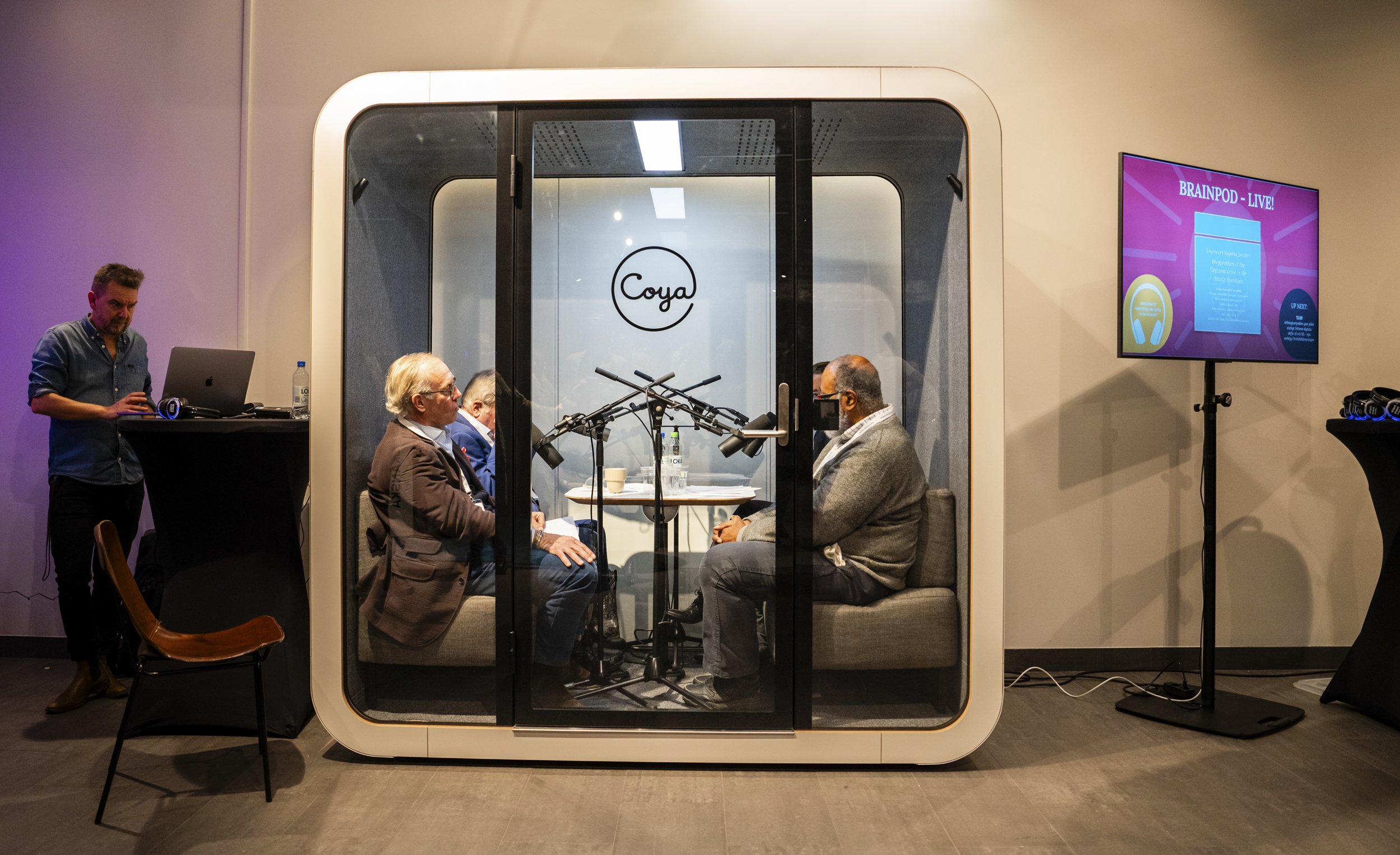
Engineering Day 2023 is over. We would like to thank everyone who participated in our pod session and debate article, plus all the interested visitors to our little EWB-SWE “booth”, all the interesting speakers, and of course the people behind Ingenjörsdagen – Thank you for a great event! We will share a few photos from the event by courtesy of Ingenjörsdagen.

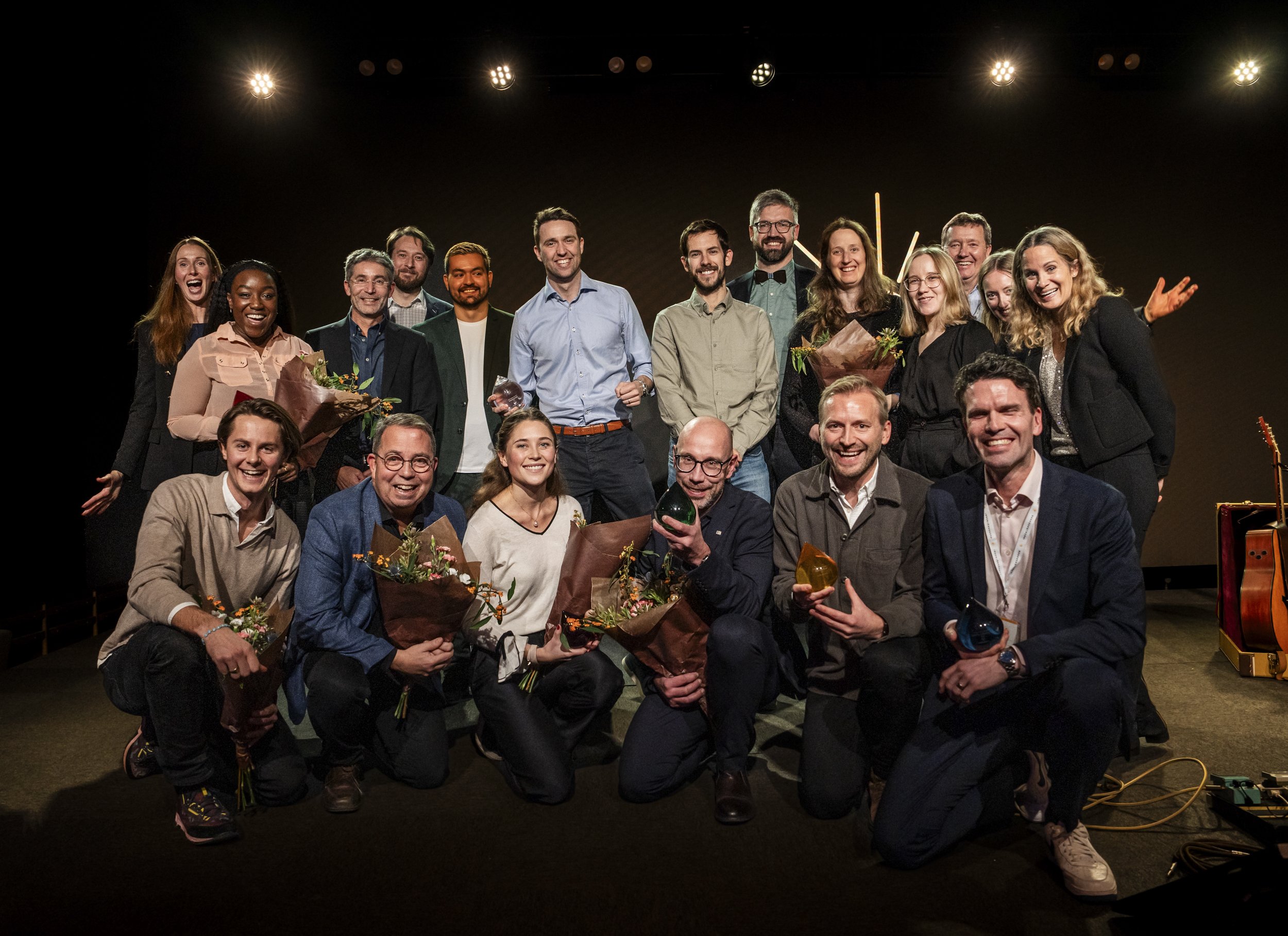
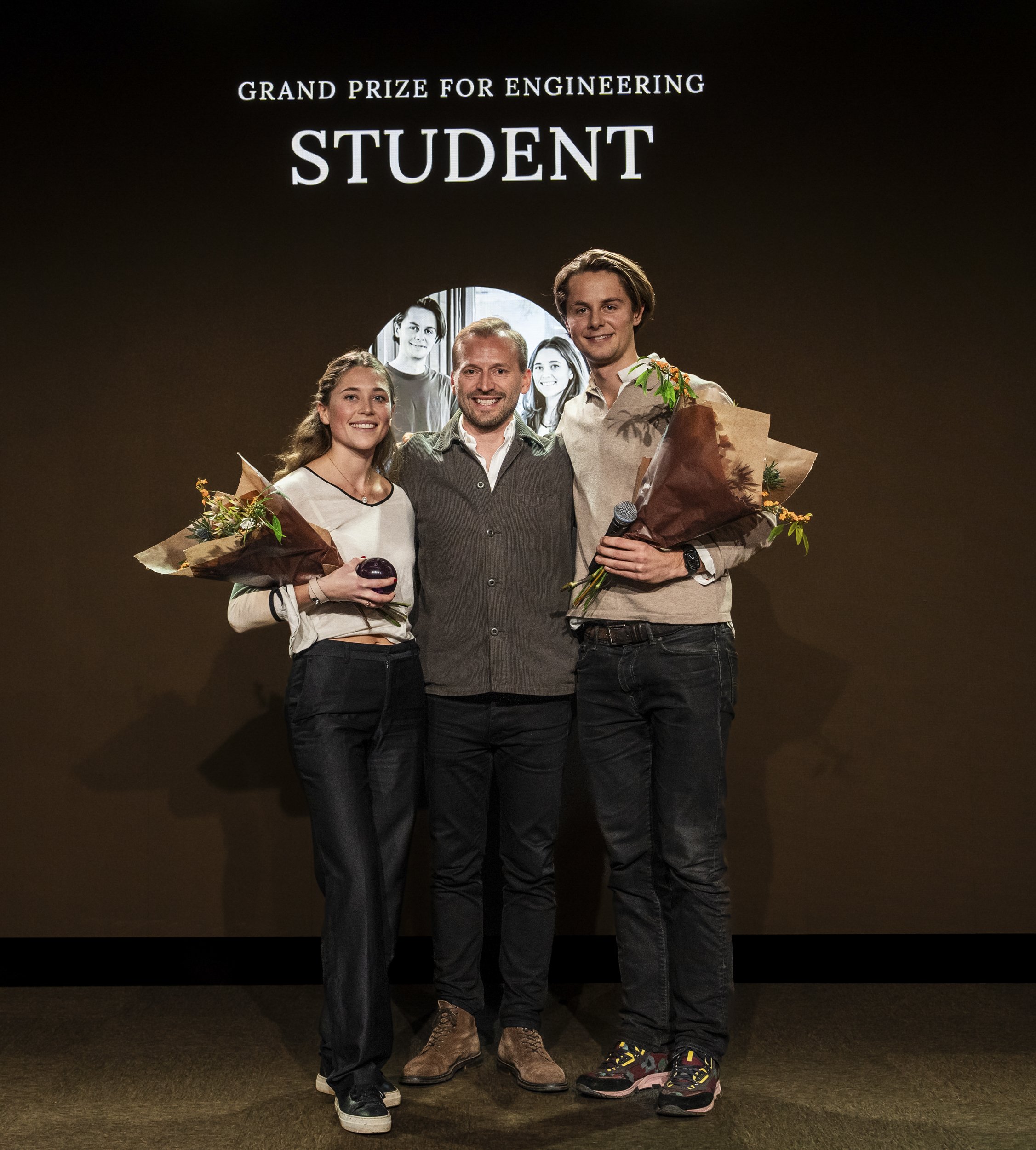
Congratulations to the winners of the Grand Prize for Engineering 2023.

Inclusion – Binette Seck, Space Academy

Innovation – Team EasyMining, Ragnsells

Leadership – Olof Johansson, Trafikverket

Role model of the year – Thomas Dalmalm och Per Vedin, Trafikverket

Sustainability – Fredrik Jonsson och Patrik Sundberg, Skellefteå Kraft

Student – Paula Runsten och Felix Kruse, Rebaba

Opinion: The Engineering Crisis Threatens Sweden's Future

Sweden, the land of peace and innovation. Sweden, where unicorns stand in a row. Our companies have flourished on the global stage thanks to our skilled workforce. The legendary entrepreneur Jason Calacanis once said that there are only two places for investors: Silicon Valley and Stockholm.

Today, along with the rest of the world, we face significant challenges. Challenges that could be solved with the help of technology and engineering. However, the current situation, with a severe shortage of engineers, threatens not just Sweden's success but also the future of the world.

The shortage of engineers is not news. For decades, companies, universities, and research institutes in Sweden have struggled to find enough technical competence to drive their projects and businesses forward. However, it is clear that the government's actions in recent years have not been sufficient to meet this challenge. 

One of the most critical issues is the Swedish bureaucracy and its slow handling of education and workforce immigration. It is absurd that companies in desperate need of engineers are forced to wait months, sometimes years, for the necessary permits to be processed. In a global context where technological development is fast, every lost day is a lost competitive advantage.

Another aspect of the engineer shortage that deserves special attention is the uneven representation of genders within the technology sector. Women still constitute a minority among engineers, and this is an issue that concerns not only fairness and equality but also the loss of the benefits of diversity. New perspectives are required for further innovation.

The necessity of engineers extends beyond the economy. In the transition towards a climate-smart world, where we must develop and implement new technologies to reduce our environmental impact and preserve the planet's resources, engineers play a crucial role. They are the ones who design and implement sustainable energy solutions and create innovative methods to reduce our climate impact.

Addressing climate change and building a sustainable future requires increased engineering competence and efficient management of technological innovation. Therefore, the government should see the shortage of engineers as a matter of both economic competitiveness and climate protection and take action accordingly. It is high time to ensure that we have the necessary resources and talents to meet the challenges of the future.

The government should consider tax incentives for companies that invest in technical skill development and hire more engineers. This would encourage companies to prioritize technical competence and help to educate and recruit more engineers. The government should also consider mentoring programs where senior female engineers can support and mentor younger ones, thereby giving them the experience, guidance, and, most importantly, comradeship that can be lacking for female engineers.

In the end, this is about ensuring Sweden's future and our economic survival. We can no longer ignore the problem of the shortage of engineers, and it is high time we begin to act with the urgency that the situation demands. Sweden deserves its place as a world leader, but only as long as we invest in our own population. It's time for the government to wake up.

Signed by:

Caroline Edelstam, Secretary-General for Engineers Without Borders

Mats Hellström, Chairman of Norden International, former Minister for Foreign Trade and Agriculture in Sweden, Ambassador and UN delegate

Marie Ideström, Co-founder and CEO of Womengineer

Linus Persson, Founder of Ingenjörsdagen / Engineering Day Sweden

Shiva Sander-Tavallaey, AI Specialist and Adjunct Professor at KTH


Empowering Children through a Rights-Based Approach

EWB-SWE’s Commitment on World Children's Day 2023

As we celebrate World Children's Day 2023, Engineers Without Borders Sweden (EWB-Swe) takes pride in aligning our mission with a profound commitment to upholding the rights of every child. This global observance, marked annually on November 20th, commemorates the adoption of the United Nations Convention on the Rights of the Child (UNCRC) in 1989. This year's theme, 'For Every Child, Every Right', resonates deeply with our dedication to ensuring the safety and well-being of children worldwide.
Orphanage centre in Chonyonyo, Karagwe, Tanzania

The Roots of World Children's Day

Since 1954, World Children's Day has served as a reminder of the importance of prioritizing children's rights in the pursuit of a better world. The UNCRC outlines the special rights children require for protection, care, and support during their formative years.

A Rights-Based Approach

At EWB-Swe, we actively incorporate a rights-based approach into our projects, recognizing the transformative impact it can have on the well-being of individuals and communities. This approach goes beyond traditional aid models, viewing children and adults not as passive beneficiaries but as active agents in decisions shaping their lives.  In essence, a rights-based approach centers on recognizing and fulfilling the fundamental rights of individuals, primarily children, ensuring they actively participate in the decision-making processes that affect them. By prioritizing these rights, our aim is to empower communities, enabling children to assert their entitlement to respect, protection, and the necessary support for their rightful development.

Example Project: An Initiative to Improve Education Facilities in Tanzania (SWASH Project)

In collaboration with the Tanzanian aid organization Mavuno Project, EWB-SWE has been actively engaged in a transformative initiative for over ten years. Focused on multiple districts in North-Western Tanzania, this SWASH (School Water, Sanitation, and Hygiene) project aims to systematically enhance water and sanitation conditions in 131 primary schools, benefitting approximately 80,000 children.

Orphanage centre in Chonyonyo, Karagwe, Tanzania

The reality in these regions involves overcrowded, understaffed schools with substandard infrastructure and limited access to water and electricity. This challenging environment significantly hampers the quality of education, with insufficient drinking water, unsanitary conditions, and a lack of facilities for girls during menstruation leading to a high absence rate. EWB-SWE's goal has been to implement water tanks providing clean water in 30 schools. Despite numerous challenges, 21 schools have already received clean water, benefiting over 20,000 students.

Our ongoing efforts include designing adequate toilets, exploring water purification techniques, and enhancing water quality in collaboration with Mavuno. This holistic approach not only improves water access but also contributes to creating a conducive environment for education, health, and overall well-being, where children of the communities can have a happy childhood.

On this World Children's Day

EWB-Swe invites you to join us in championing a rights-based approach to secure every child's safety, happiness, and access to opportunities. Together, we can create a world where children's rights are not just acknowledged but actively upheld, fostering a brighter future for generations to come. In supporting initiatives like our SWASH project, we strive to make a lasting impact on children's lives, ensuring they grow up in environments that nurture their potential and provide a foundation for a better tomorrow.


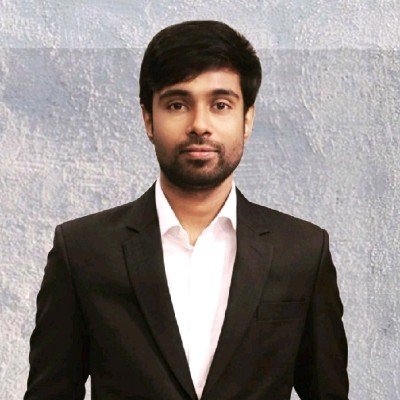
Sakib Muktadir

SAKIB MUKTADIR, INTERNATIONAL PROJECTS INTERN AT EWB-SWE


The importance of Good Sanitation: Celebrating World Toilet Day November 19 and Combatting Health Issues

World Toilet Day, observed every November 19th, serves as a reminder that sanitation is fundamental for human health and well-being. Despite its apparent importance, millions worldwide still lack adequate toilets, leading to severe health problems. This article emphasizes the consequences of poor sanitation, including the spread of diseases, malnutrition, and a cycle of poverty. Organizations like Engineers Without Borders Sweden play a crucial role in addressing these challenges through technical expertise and sustainable solutions​​ within the WASH area – Water, Sanitation and Hygiene.
The following article is available in both English and Swedish, please check below.

The Importance of Good Sanitation: Celebrating World Toilet Day and Combatting Health Issues

World Toilet Day, observed every year on November 19th, serves as a reminder that sanitation and good hygiene are fundamental to people's health and well-being. Despite these needs seeming obvious to many, millions of people around the world still suffer from the lack of adequate toilets and proper sanitation, leading to serious health problems.

In many communities, access to proper toilet facilities is lacking, forcing people to use open areas or makeshift latrines. This not only undermines their dignity but also creates an environment where diseases can easily spread. Without protection from water resource contamination, the risk of waterborne diseases dramatically increases.

Children are particularly vulnerable

One of the primary consequences of the lack of toilets and proper sanitation is the spread of diarrheal diseases. In many cases, this is a direct result of contaminated water from inadequate sewage systems. Children are particularly vulnerable, and diarrhea stands as a leading cause of death among children under five in communities with poor sanitary conditions.

Additionally, inadequate sanitation has a negative impact on nutrition intake. People often avoid eating or drinking enough to avoid using poor sanitary facilities. This leads to malnutrition and can particularly affect the physical and cognitive development of children.

Lack of sanitation creates a cycle of poverty

Furthermore, the lack of proper toilets and sewage systems creates a cycle of poverty. People spend significant portions of their time searching for safe places to fulfill their needs instead of engaging in work or education. As a result, economic opportunities decline, and communities stagnate.

On World Toilet Day, it is crucial that we reflect on these issues and strive for solutions. Sanitation infrastructure is not just a technical challenge but a fundamental human right. To break the cycle of health problems and economic stagnation, a global effort is required to provide access to toilets and implement sustainable sanitation solutions.

Technical expertise is vital

This is where organizations like Engineers Without Borders Sweden play a crucial role. By combining technical expertise with sustainable technologies, we aim to improve sanitary conditions in communities worldwide. In this way, we can address the urgent health problems while contributing to long-term change.
Celebrating World Toilet Day is not just a symbolic act but a reminder of our shared duty to ensure that no one suffers from the lack of toilets and proper sanitation. By supporting organizations and initiatives working to overcome these challenges, we can collectively build a healthier and more sustainable future for all.

Ebba Lewenhaupt,
Student Intern at EWB-SWE


Vikten av god sanitet: Att hylla Toalettens Dag och att bekämpa hälsoproblem

Toalettens Dag, som uppmärksammas den 19 november varje år, är en påminnelse om att sanitet och god hygien är grundläggande för människors hälsa och välbefinnande. Trots att dessa behov kan tyckas självklara för många, lider miljontals människor över hela världen fortfarande av bristen på adekvata toaletter och god sanitet, vilket leder till allvarliga hälsoproblem.

I många samhällen saknas tillgången till ordentliga toalettanläggningar, vilket tvingar människor att använda öppna områden eller improviserade latriner. Detta inte bara underminerar deras värdighet utan skapar också en miljö där sjukdomar lätt kan spridas. Utan skydd mot kontaminering av vattenresurser ökar risken för vattenburna sjukdomar dramatiskt.

Barn är särskilt sårbara

En av de främsta konsekvenserna av bristen på toaletter och god sanitet är spridningen av diarresjukdomar. I många fall är detta en direkt följd av förorenat vatten från otillräckliga avloppssystem. Barn är särskilt sårbara, och diarré står som en av de främsta dödsorsakerna bland barn under fem år i samhällen där sanitära förhållanden är bristfälliga.

Ytterligare en följd av otillräcklig sanering är den negativa påverkan på näringsintaget. Människor undviker ofta att äta eller dricka tillräckligt för att undvika att använda dåliga sanitära faciliteter. Detta leder till undernäring och kan särskilt påverka barns fysiska och kognitiva utveckling.

Brist på toaletter ger cykel av fattigdom

Bristen på ordentliga toaletter och avloppssystem riskerar att skapa en cykel av fattigdom. Människor spenderar stora delar av sin tid på jakt efter säkra platser för att utföra sina behov istället för att delta i arbete eller utbildning. Således försämras ekonomiska möjligheter och samhällen stagnerar.

På Toalettens Dag (World Toilet Day) är det avgörande att vi reflekterar över dessa problem och strävar efter lösningar. Sanitetsinfrastruktur är inte bara en teknisk utmaning utan en grundläggande mänsklig rättighet. För att bryta den onda cirkeln av hälsoproblem och ekonomisk stagnation krävs en global satsning på att tillhandahålla tillgång till toaletter och implementera hållbara saneringslösningar.

Teknisk expertis spelar en avgörande roll

Det är här organisationer som Ingenjörer utan Gränser Sverige spelar en avgörande roll. Genom att kombinera teknisk expertis med hållbara teknologier strävar vi efter att förbättra sanitära förhållanden i samhällen över hela världen. På detta sätt kan vi adressera de akuta hälsoproblemen och samtidigt bidra till en långsiktig förändring.

Att hylla Toalettens Dag är inte bara en symbolisk handling utan en påminnelse om vår gemensamma skyldighet att säkerställa att ingen människa lider av bristen på toaletter och god sanitet. Genom att stödja organisationer och initiativ som arbetar för att övervinna dessa utmaningar kan vi tillsammans bygga en hälsosammare och mer hållbar framtid för alla.

Ebba Lewenhaupt,
Student Intern at EWB-SWE