Webinar Recap: Humanitarian Engineering – A Nordic Perspectiv

On 5 February, Engineers Without Borders Sweden (EWB-SWE) hosted a webinar titled Humanitarian Engineering – A Nordic Perspective, featuring key representatives from the Nordic EWB organisations. The discussion was moderated by Caroline Edelstam, Secretary General of EWB Sweden, with insightful contributions from Marianne Nilsen Sturmair, Secretary General of EWB Norway, and Peter Horne Zartsdahl, Secretary General of EWB Denmark.

The well-attended session explored the similarities and differences in how the Nordic EWB organisations operate, highlighting the potential for closer collaboration. A key question posed during the discussion was:

“Engineers Without Borders exists in different forms across the Nordic countries. How do our approaches differ, and where do we complement each other?”

Shared Values and Strengths of Nordic Collaboration

Caroline Edelstam emphasised the strong foundation for collaboration across the Nordic countries, stating:

“The Nordic countries have a long tradition of solidarity and assisting each other, which is very positive in these difficult times the world is facing.”

Marianne Nilsen Sturmair echoed this sentiment, pointing out that despite organisational differences, the Nordic countries share many values that make collaboration a natural step forward. She stated:

“In the Nordic countries, we share a lot of values. We have slightly different organisations, roles, set-ups, slightly different ways of doing things. And I really believe in the strength of learning from each other, and that we are stronger together. I really think that we have the basis for a closer integration in our projects and a closer collaboration moving forward, something I also feel we are all very much in favour of.”

The Role of Local Partnerships in Humanitarian Engineering

Another critical aspect discussed was the role of partnerships in humanitarian projects. The panel explored questions such as:

“What role do partnerships with local governments, NGOs, and businesses play in your projects? Have you encountered any surprising successes or difficulties in building these relationships?”

A recurring theme was the importance of working with local partners to ensure sustainable and impactful projects. Nordic EWB organisations often operate through remote programming, collaborating closely with local partners to carry out projects, ensuring knowledge transfer and long-term sustainability.

Adapting to Crisis: EWB Denmark’s Work in Ukraine

Peter Horne Zartsdahl shared insights into how EWB Denmark has adapted its approach in Ukraine, focusing more on direct, on-the-ground engagement rather than remote programming. Explaining their approach to infrastructure reconstruction, he noted:

“The main contribution of our work, in Ukraine the situation is very different from when we work in for example sub-Saharan Africa, is for the main part in ensuring sustainability in local engagement by being on the ground. Most of the partners we work with act as intermediaries, with local partners doing the work on the ground, while international NGOs and organisations work remotely. We are doing it differently in Ukraine. We are on the ground, looking at the situation there. That is where we provide the added value.”

Looking Ahead: A Strengthened Nordic Partnership

The webinar underscored the benefits of increased cooperation between Nordic EWB organisations, leveraging their collective knowledge and resources to enhance the effectiveness of humanitarian engineering projects worldwide.

As the discussion wrapped up, it was evident that there is strong support for deepening partnerships and strengthening collaboration across borders, ensuring that Nordic expertise can continue to contribute to sustainable development globally.

Watch the Webinar On-Demand
For those who missed the session, recordings from this and all other webinars held during the week will be available for viewing on our website from next week. Stay tuned!

Insights from Three UN Summits: Biodiversity, Climate, and Land

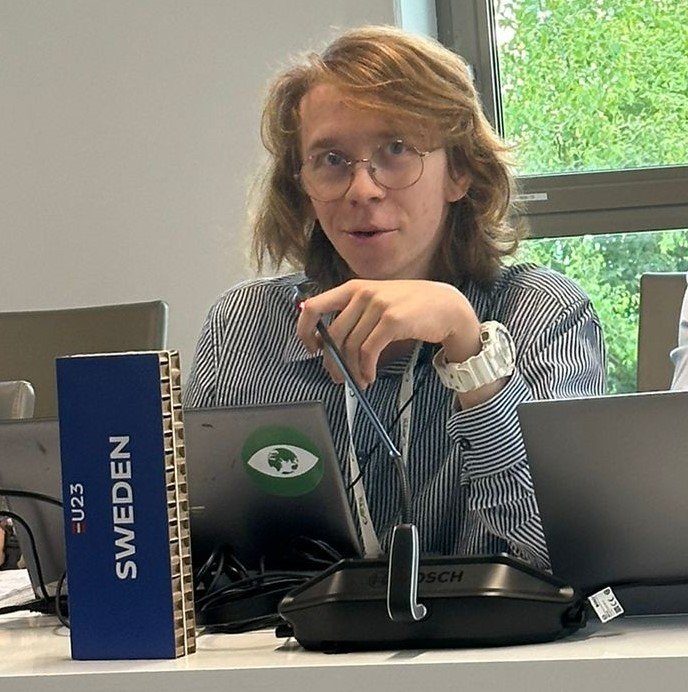
Axel Eriksson and Grzegorz credit Photo by IISD ENB Mike Muzurakis

In the autumn of 2024, the United Nations hosted three major summits addressing biodiversity, climate change, and desertification. These events were crucial for advancing global discussions on environmental challenges. Axel Eriksson, an engineering student from Lund and an advocate for environmental justice, shares his report on the outcomes of these critical meetings.

A Quick Overview

The Biodiversity COP in Colombia centred on how to implement the UN’s biodiversity plan in practice. It discussed progress measurement, funding for developing countries, and how Indigenous knowledge can guide harmonious living with nature. The Climate COP in Azerbaijan focused on scaling up financial support for developing countries’ climate action, while the Desertification COP in Saudi Arabia explored how to better involve marginalised groups in combating land degradation. Despite some progress, key decisions were delayed, and ambitions for transformative agreements were not fully realised.

Biodiversity COP in Colombia

This summit was dedicated to implementing the UN’s biodiversity plan. Key discussions included how to measure progress and determine the scale and type of financing that developed countries should provide to developing nations for conservation and restoration efforts. The role of Indigenous knowledge was a central theme, with decisions made to respect and learn from Indigenous ways of living in harmony with nature. A significant outcome was the establishment of a fund to ensure equitable access to and use of genetic resources, such as seeds. The conference also decided to create a new body focused on Indigenous peoples. However, many critical issues were postponed until February 2025, reflecting the complexity of these negotiations.

Climate COP in Azerbaijan

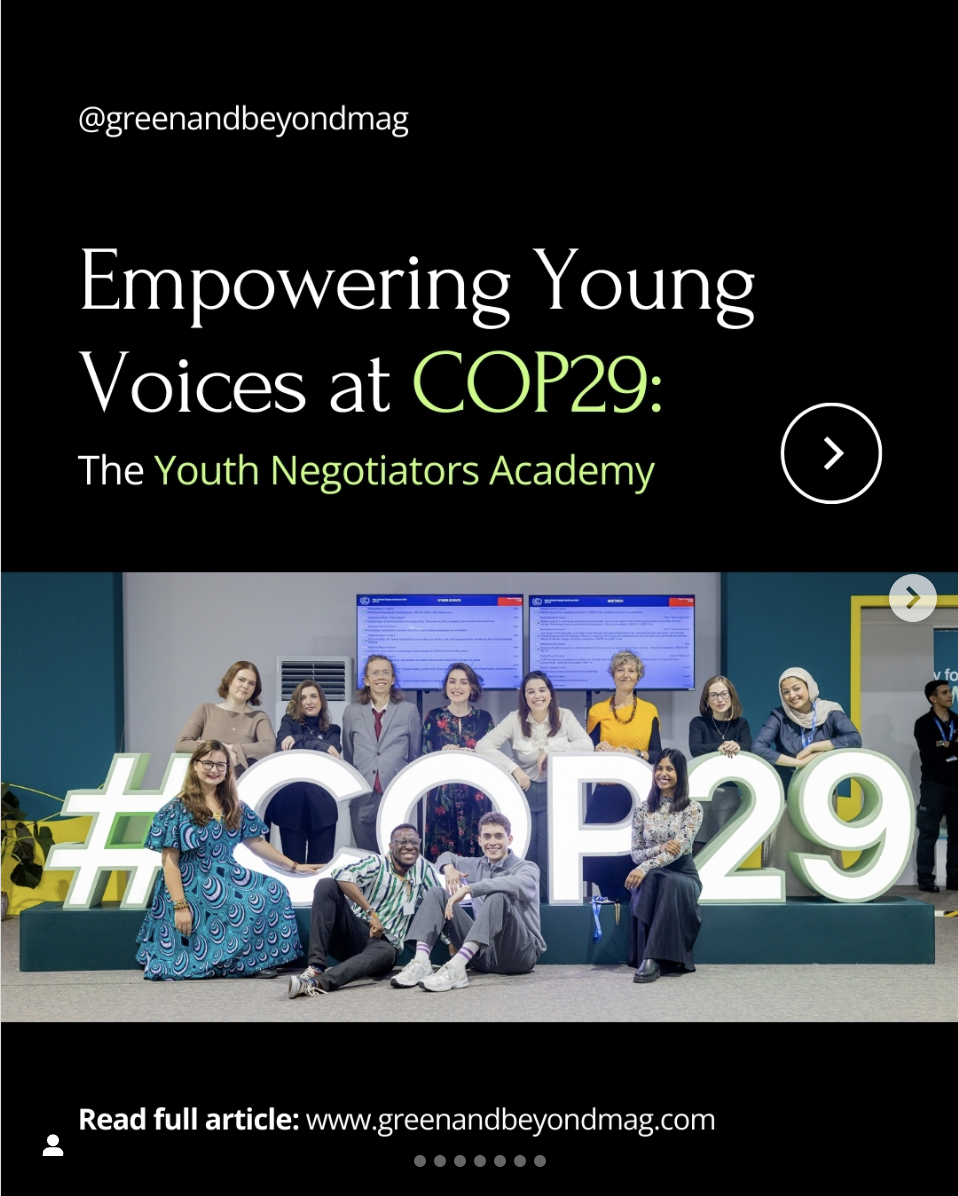
Instagram post by Young Negotiators' Academy

Instagram post by Young Negotiators' Academy

At the Climate COP, the primary focus was on financing for climate action. Developed countries reaffirmed their commitment under the Paris Agreement to provide $100 billion annually to developing nations from 2020 to 2025. A major outcome of this meeting was the agreement to scale up this funding to $300 billion per year starting in 2035. Progress was also made in defining how countries should measure their adaptation efforts. However, there was significant resistance to mentioning fossil fuels in any decisions, illustrating the ongoing tension around transitioning away from carbon-intensive energy sources.

Desertification COP in Saudi Arabia

The Desertification COP was the largest meeting ever held under the UN Convention to Combat Desertification. One of the key outcomes was a stronger emphasis on involving Indigenous peoples, civil society, youth, and other groups that are both heavily impacted by land degradation and vital to addressing this crisis. Financial commitments were made from developed to developing countries, but these remained much smaller in scale compared to the climate convention. While hopes were high for a new framework or protocol under this convention, no agreement was reached, though the groundwork for future negotiations was established.

Next Steps and Future Events

Important follow-up meetings are already planned to continue these discussions. The Biodiversity Convention will hold an extraordinary session in Rome in February 2025 to address unresolved issues. The next Climate COP will take place in Brazil in autumn 2025, focusing on countries’ updated plans for achieving Paris Agreement goals. Meanwhile, the Desertification Convention will hold a smaller meeting next autumn, with the next major summit planned for 2026 in Mongolia.

About Axel Eriksson

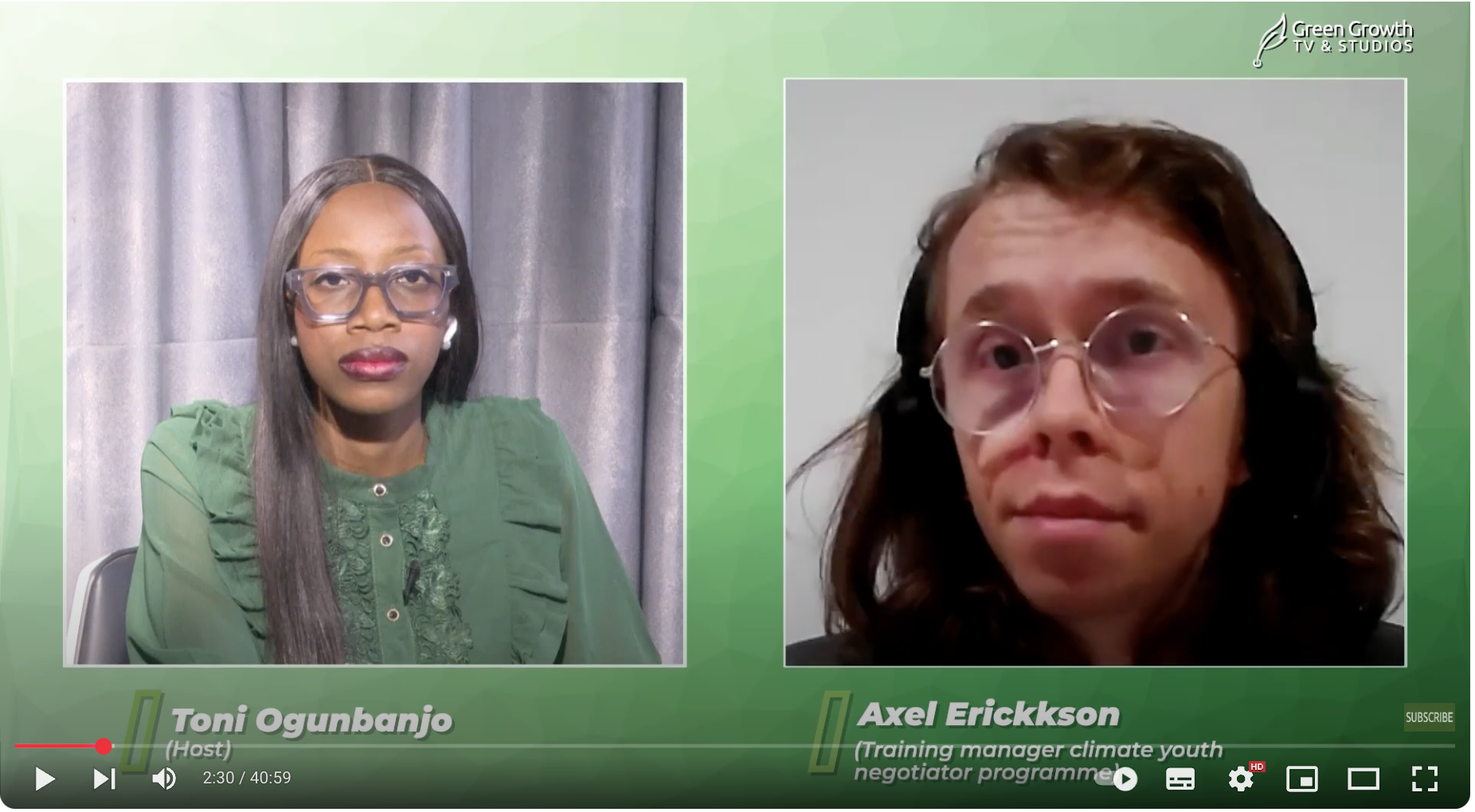
Headshot COP29 credit Jervon Sands

Axel Eriksson is an engineering student at Lund University and a committed advocate for environmental justice. While he did not represent Engineers Without Borders Sweden (EWB-SWE) at these events, he is a member of the organisation’s local student group in Lund. Axel’s passion for global environmental issues and his keen interest in justice shine through in his reflections, providing valuable insights into these critical UN summits.

We are thankful to Axel for sharing his experiences and for bringing the outcomes of these global discussions closer to our community.

For photo credits please each picture

EWB-SWE Welcomes Beijer Electronics as a New Supporting Partner

Kristine Lindberg, CEO, Beijer Electronics

We are pleased to announce our partnership with Beijer Electronics, a company recognised for its expertise in industrial automation and digitalisation. This collaboration reflects a shared commitment to promoting sustainability and inclusivity, aligning with EWB-SWE’s mission to address global challenges and create lasting impact.

“We are honored to collaborate with Engineers Without Borders Sweden, an organization that shares our values and commitment to sustainability, diversity and empowering women through education and training. Their commitment to addressing global challenges through engineering resonates deeply with our mission to drive sustainability and foster meaningful change. Together, we aim to create solutions that empower communities and inspire progress!” – says Kristine Lindberg, CEO, Beijer Electronics.

A Shared Commitment to Sustainability

At EWB-SWE, we value partnerships with organisations that uphold innovation and sustainability as core principles. Beijer Electronics’ dedication to these values complements our work to advance a more sustainable and equitable future.

“We are delighted to welcome Beijer Electronics as a supporting partner,” says Caroline Edelstam, Secretary General of EWB-SWE. “Their commitment to sustainable practices and their alignment with our mission strengthens our efforts to drive positive change.”

Looking Ahead

This partnership marks an important step in building a network of organisations committed to engineering a better future. By supporting EWB-SWE’s mission, Beijer Electronics helps amplify our capacity to promote sustainable solutions and empower communities.

Beijer Electronics

Beijer Electronics, founded in 1981 and headquartered in Malmö, Sweden, is a global innovator connecting people and technology to optimise business-critical processes. Operating across Europe, Asia, and the Americas, the company provides solutions in operator communication, automation, and digitalisation. Its growth strategy emphasises local presence through dedicated offices and carefully selected value-added distributors, ensuring strong customer support worldwide. To learn more visit their website here.

Why we construct rain water tanks

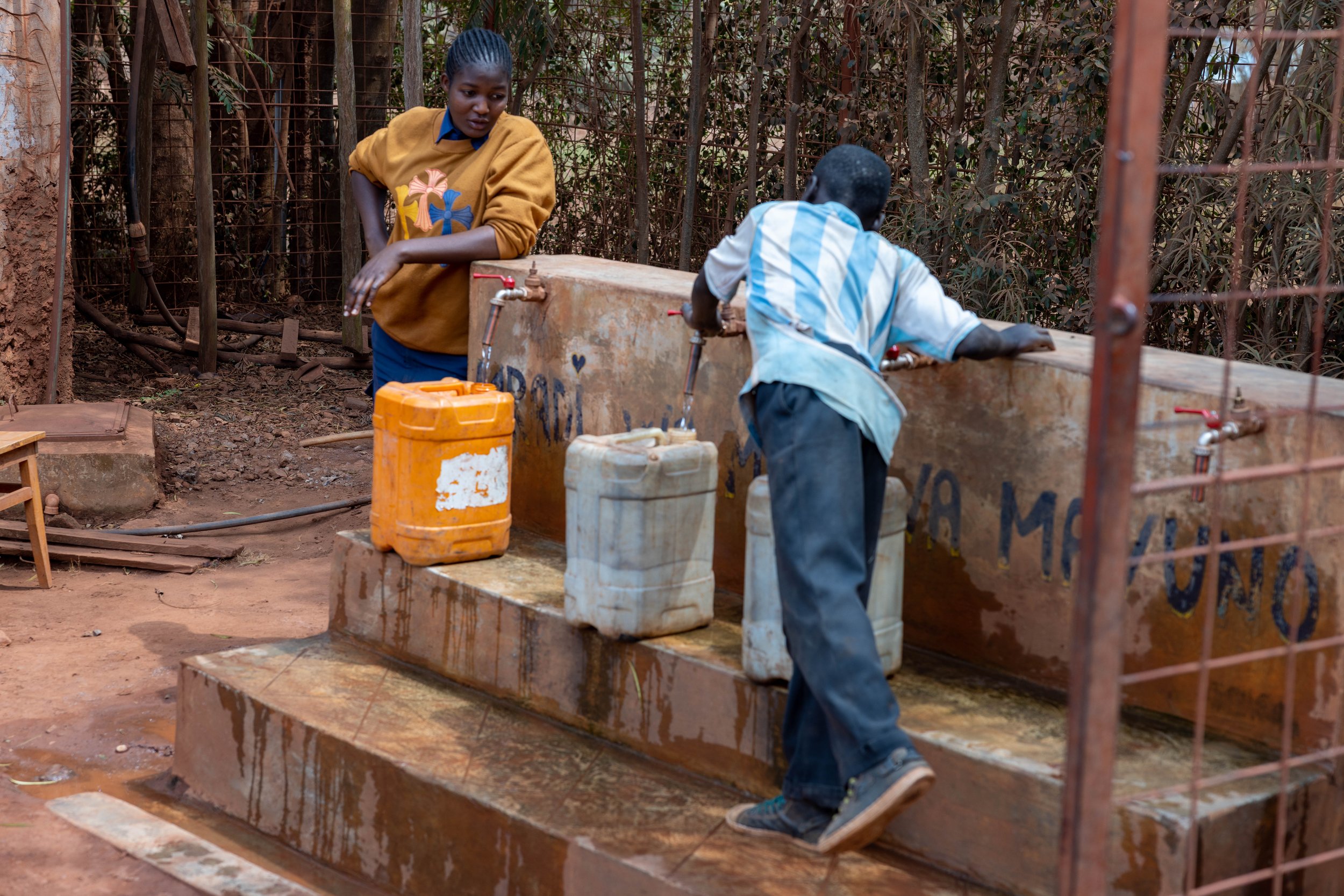
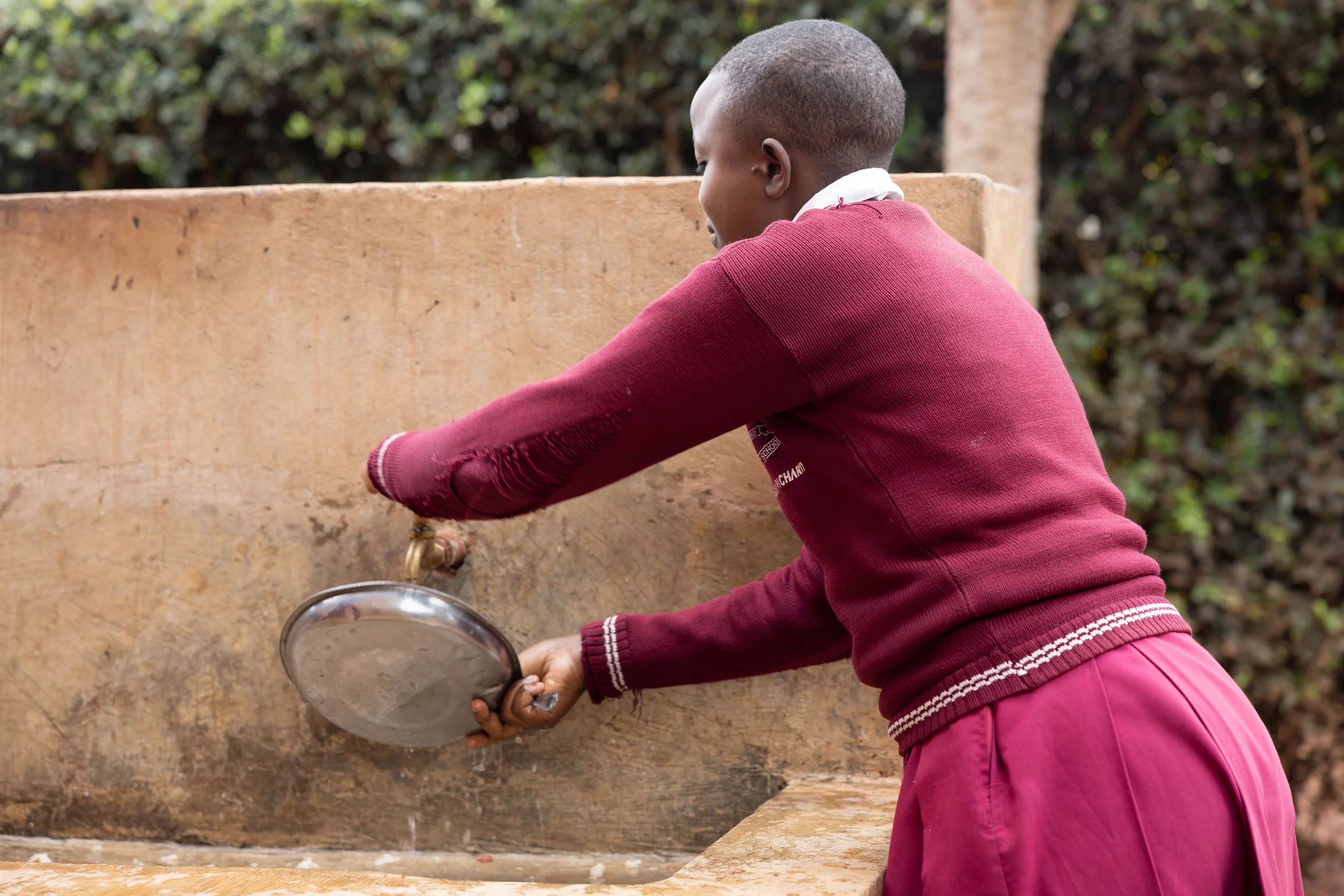
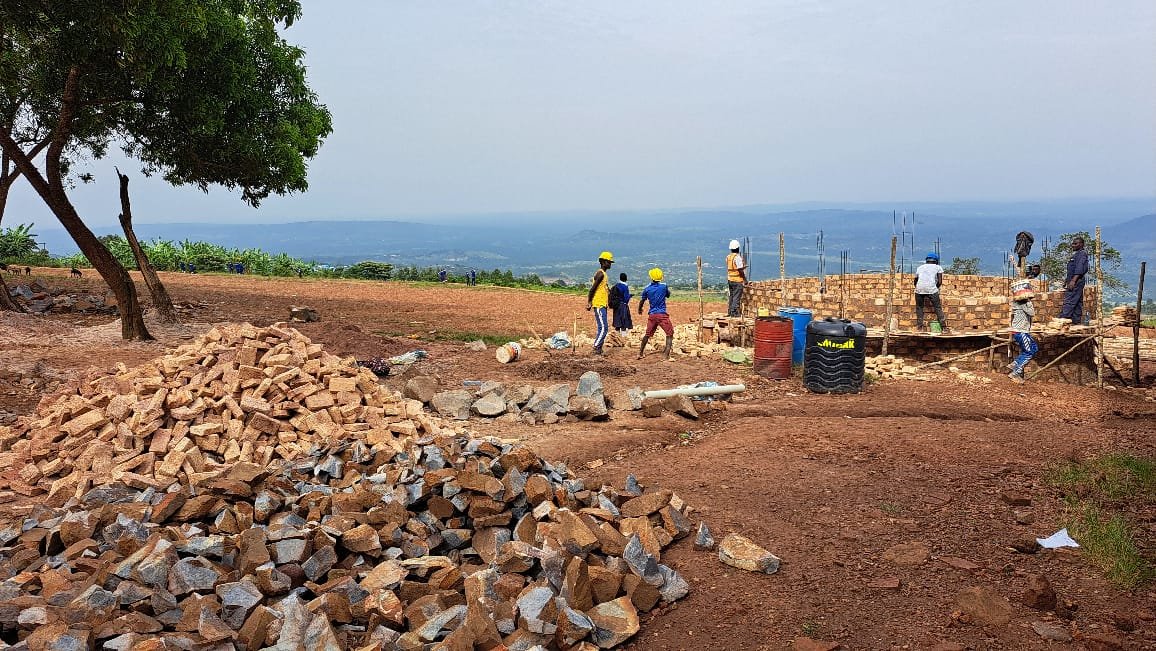
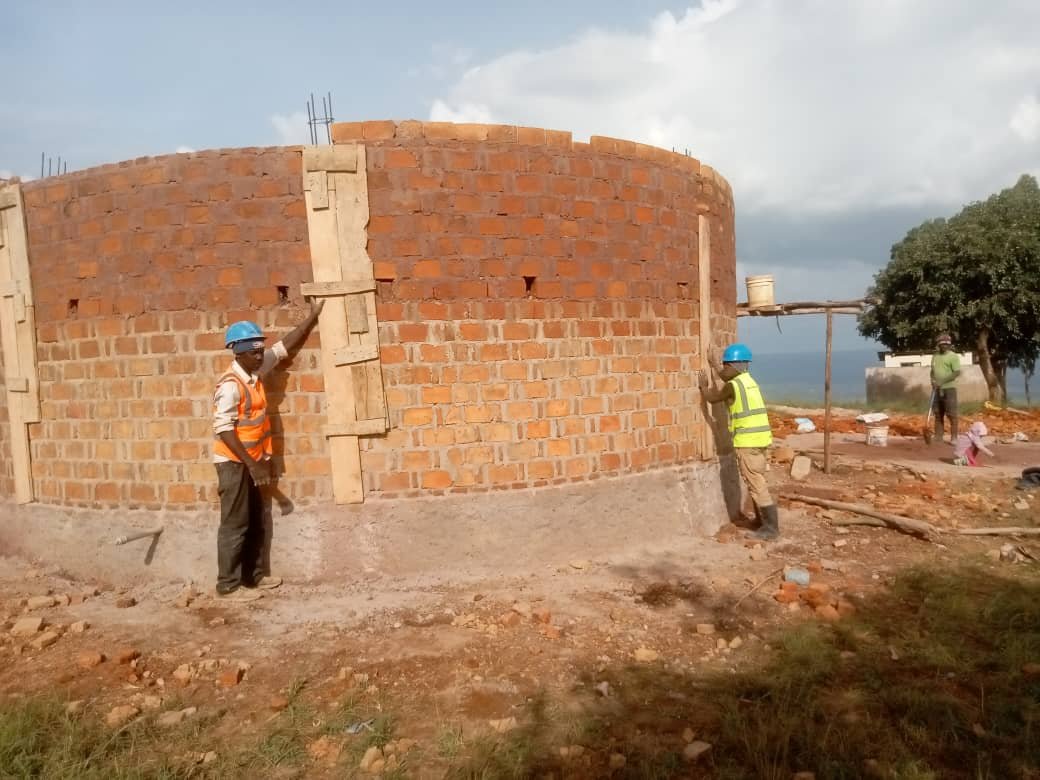
Access to clean water is essential for children's health, education, and overall well-being. In Tanzania, many schools face significant challenges due to the lack of reliable water sources. To address this, Engineers Without Borders Sweden has been constructing rainwater harvesting tanks in various schools, significantly improving students' daily lives.

Improving Educational Opportunities

If schools lack access to clean water it often leads to high rates of absenteeism, as students fall ill from waterborne diseases or spend hours fetching water from distant sources, as it is often the children’s task to fetch water,

By installing rainwater tanks in schools that students have access to safe drinking water on-site, reducing illness and allowing more time for learning. For instance, at Rukole Primary School, the construction of a new water tank has enabled over 1,300 students to attend classes regularly without the burden of water scarcity.

Improving Health and Well-being

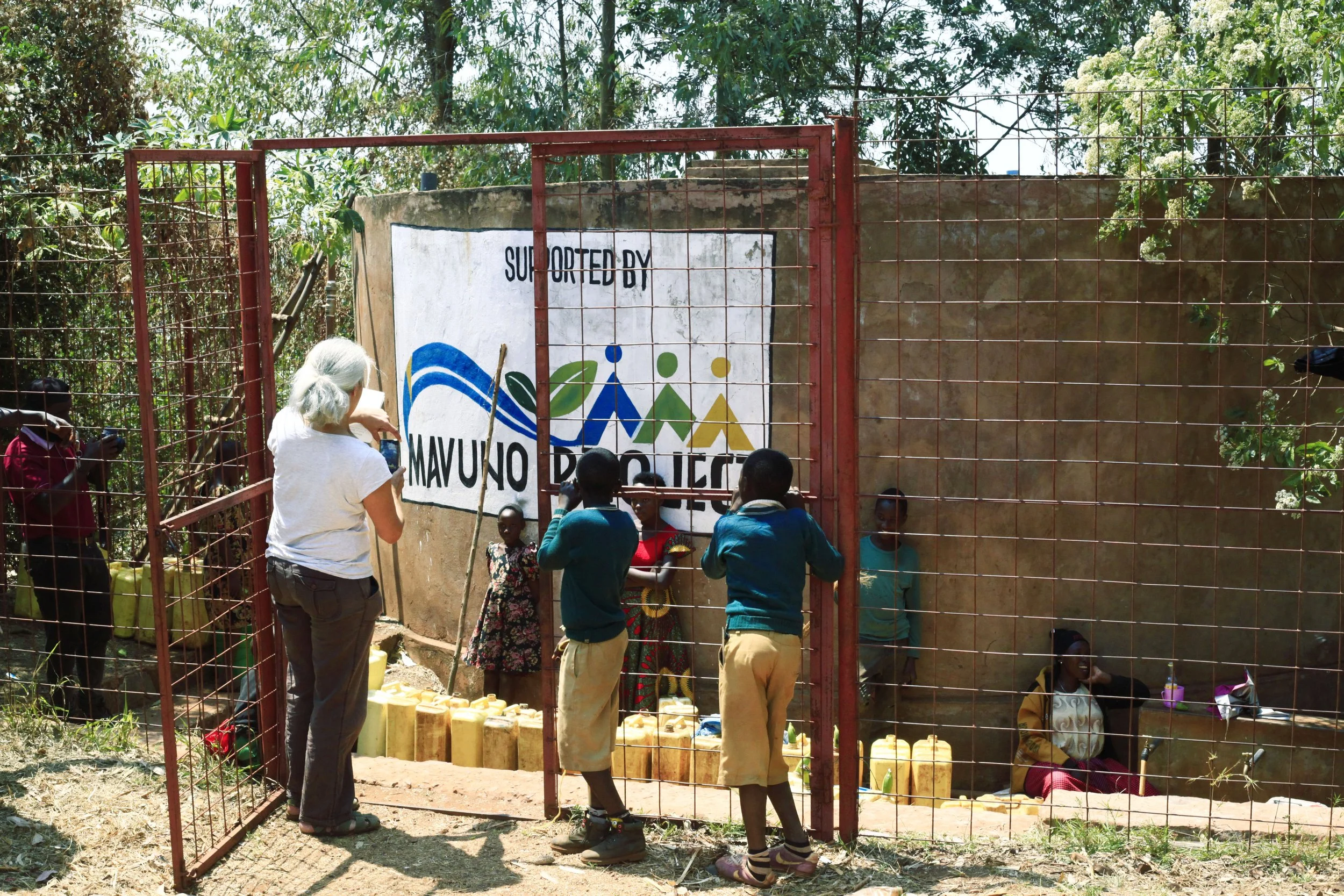
The rainwater harvesting systems implemented by EWB-SWE collect and store rainwater, providing a reliable source of clean water for drinking, cooking, and personal hygiene. This initiative has led to a noticeable decline in waterborne illnesses, providing a healthier school environment. In collaboration with local partners, such as The Mavuno Project, EWB-SWE has constructed multiple tanks, benefiting thousands of students and teachers across the region.

Supporting Marginalised Groups

Access to water is particularly crucial for marginalised groups, such as pregnant students and adolescent mothers, who often face expulsion from the traditional school system. EWB-SWE's Tumaini Water Project focuses on providing water solutions for schools dedicated to these young women, ensuring they have the necessary resources to continue their education in a supportive environment.

Community Empowerment and Sustainability

Beyond immediate health and educational benefits, these projects empower local communities by involving them in the construction and maintenance of the water tanks. This collaborative approach ensures the sustainability of the water systems and fosters a sense of ownership among community members.

In summary, the construction of water tanks in Tanzanian schools has had an important impact on children's health, education, and overall well-being, contributing to the development of more resilient and self-sufficient communities


Facts on Rainwater Tanks in Tanzanian Schools

  • Capacity: Each tank can store up to 30,000 litres of rainwater, ensuring a consistent supply of clean water throughout the year.

  • Key Benefits:

    • Improved access to safe drinking water.

    • Support for hygiene and sanitation practices.

    • Reduction in waterborne diseases.

    • Increased school attendance rates, especially among girls.

  • Number of Tanks Built: Over 30 tanks installed in schools across Karagwe and Kyerwa Districts, directly benefiting 11,000+ students.

  • Sustainability Features:

    • Rainwater harvesting from school roofs.

    • Low-maintenance designs.

    • Local community involvement in construction and upkeep.

  • Funding: Supported by donations and financial support from corporations and organisations, grants from foundations plus local donors.

These rainwater tanks are a critical step in addressing water scarcity, improving health, and creating a better learning environment for students in Tanzania.

Contact us if you would like to learn more about our WASH projects in Tanzania and Kenya.

2024 in review: A Year of Innovation and Impact with EWB-SWE! ✨

2024 in review: A Year of Innovation and Impact with EWB-SWE! ✨
2024 has been an inspiring year filled with impactful initiatives, new partnerships, and remarkable achievements! Here’s a selection of highlights from the past year. We wish you a fantastic 2025! What do you remember most from the year? Comment below!

FIRST QUARTER

Celebrating Mavuno Girls’ Academic SuccessJanuary 19
Mavuno Modal Girls’ Secondary School ranked 53rd out of 5,060 Tanzanian schools in national exams. This milestone reflects the transformative power of education in underserved communities.

Polhem Prize DonationJanuary 22
Staffan Truvé, co-winner of the prestigious Polhem Prize, donated his share to EWB-SWE, empowering our work in humanitarian engineering and sustainable solutions.

Sustainable Engineering WeekFebruary 5-9
We celebrated sustainability through events across four cities, engaging engineers, students, and professionals in dialogues on innovative solutions.

WASH Project Expansion in TanzaniaMarch 1
With support from the Alstom Foundation, EWB-SWE expanded its WASH initiatives, improving water access, sanitation, and menstrual hygiene for thousands of students in Tanzanian schools.

Partnership with IT for Children in GhanaMarch 5
EWB-SWE partnered with IT for Children to support digital literacy among students and teachers in Ghana, offering mentorship in robotics, web development, and animation.

New Media Monitoring PartnershipMarch 11
We partnered with NewsMachine to launch a global press room, enhancing our ability to share impactful stories and updates internationally.

Advocating for Civil Society Aid ProjectsMarch 26
EWB-SWE, along with 69 civil society representatives, contributed to a debate article opposing the government’s proposed increase in co-financing requirements for aid projects.

SECOND QUARTER

Featuring in Queen Silvia’s CATCH Commemorative BookApril 3
We were honored to feature in a commemorative book celebrating the decade-long contributions of Queen Silvia's Foundation, supporting transformative educational projects.

Annual Meeting of EWB-SWEApril 25

Welcoming Kadesjös as new supporting partner – May 3

Collaborating with WOW FoundationsMay 7
Our partnership with WOW Foundations fosters inclusion and professional development for immigrant women and international students in engineering.

Our first Missing Maps Mapathon in 2024 was held – in May 14

Water Treatment Solutions in Chile
May 16
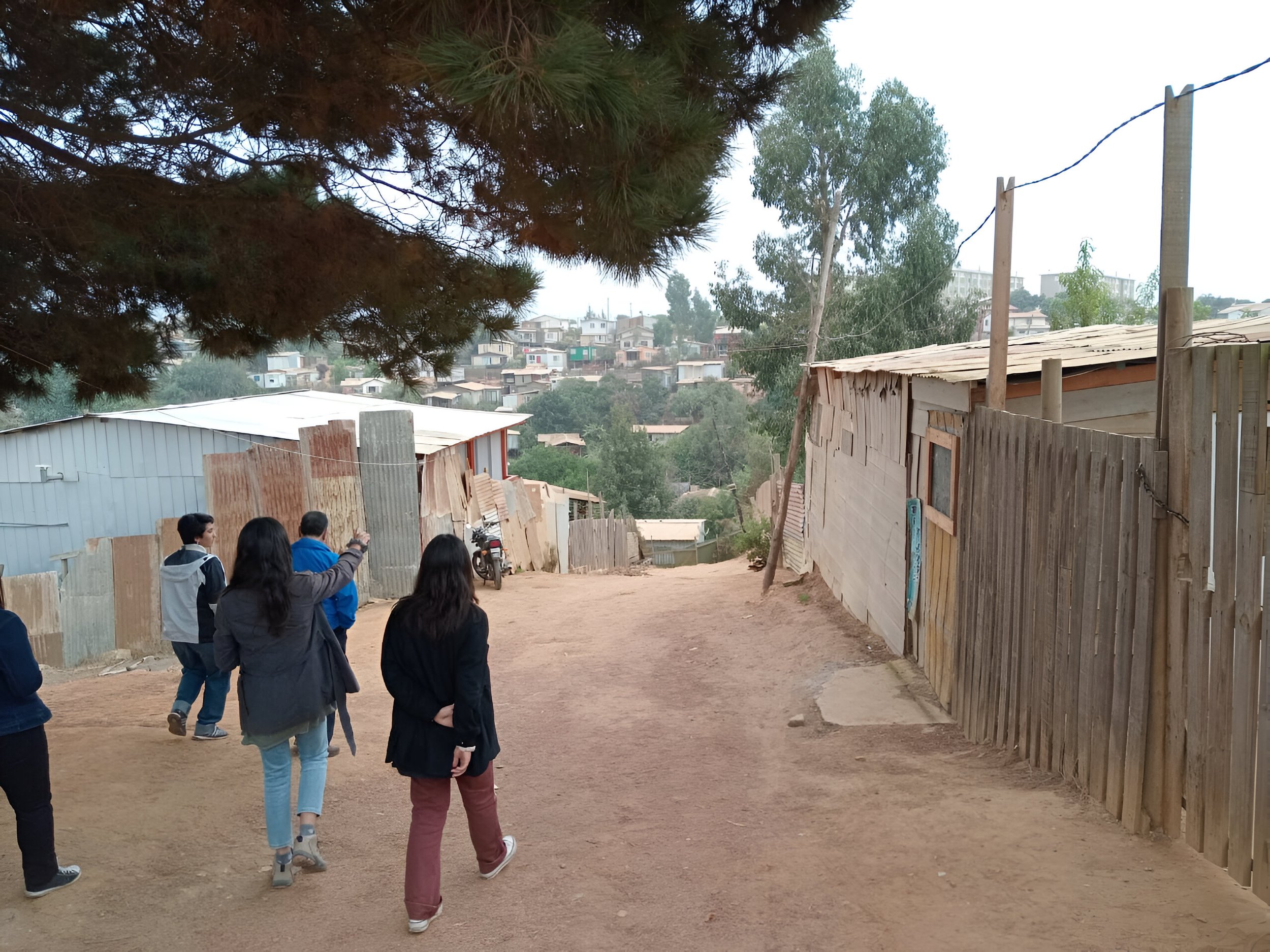
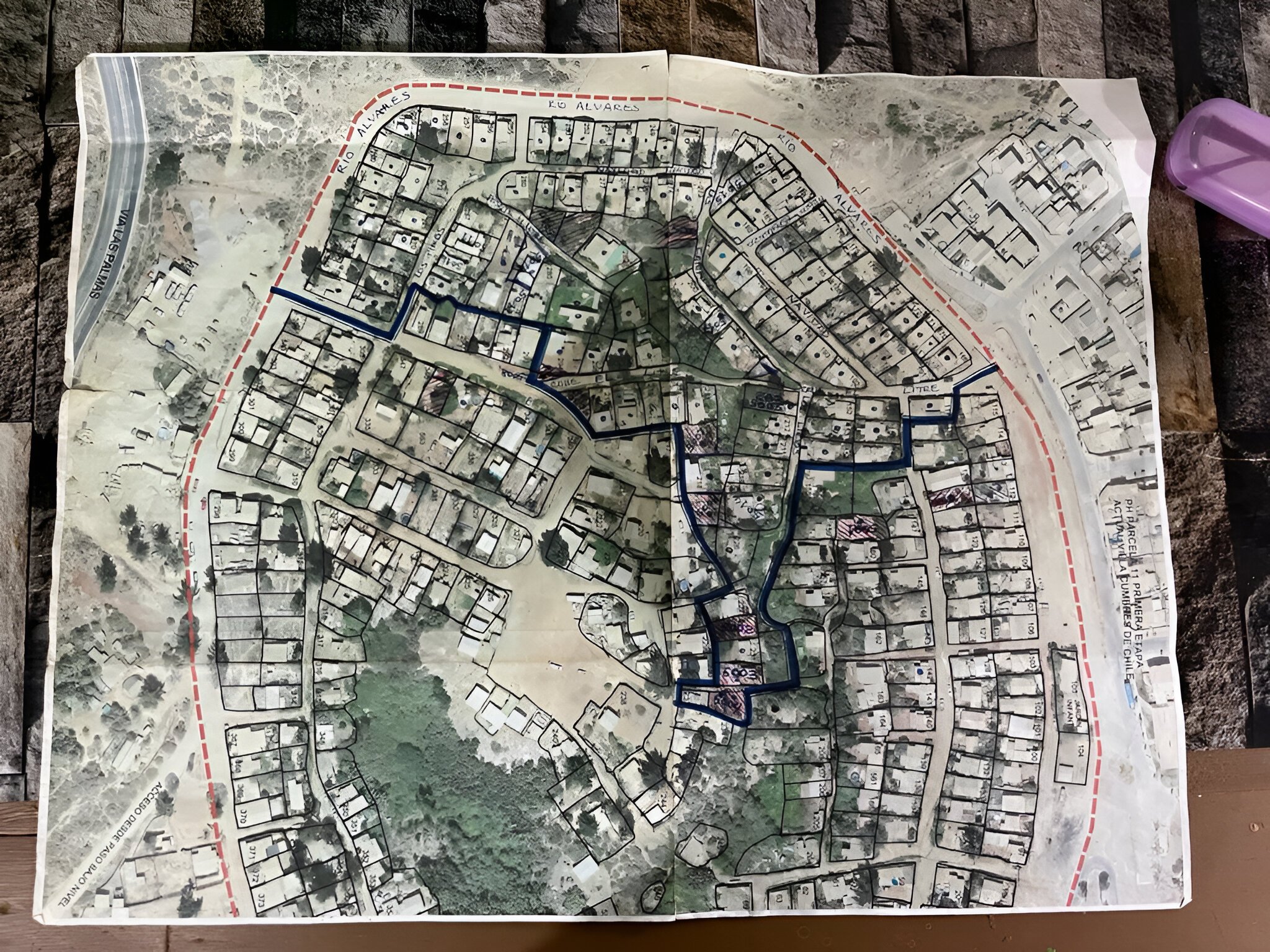
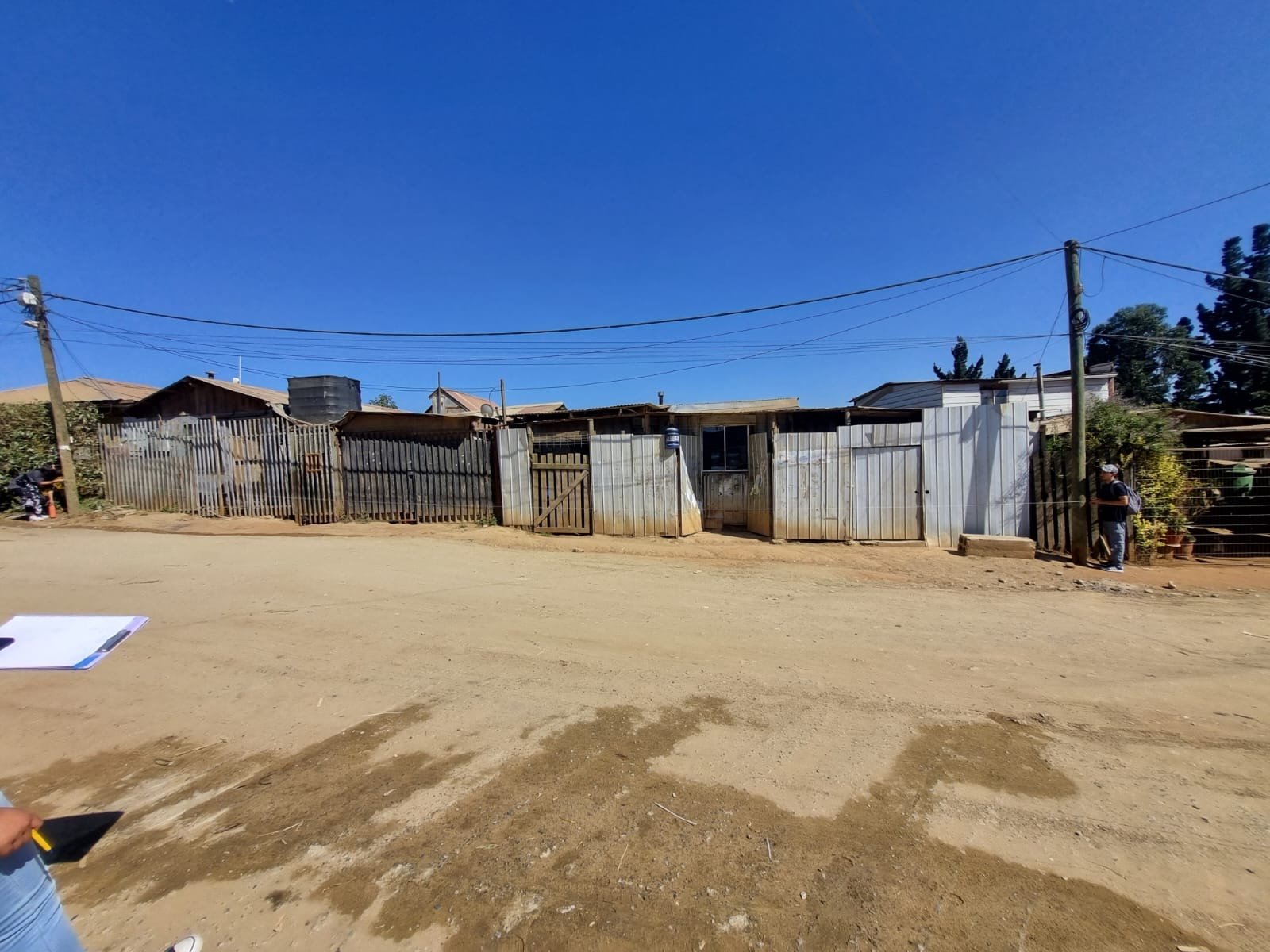
EWB-SWE announced a partnership with Ingeniería Sin Fronteras Chile to develop sustainable water treatment solutions for vulnerable communities in Valparaíso. 

Welcoming Rörkraft as new partner – May 28

Fundraising for Mavuno School Solar PanelsJune 4
We intensified efforts to install solar panels at the Mavuno School, creating a stable and sustainable learning environment for girls in Tanzania.

ACCESS Forum in StockholmJune 10-14
EWB-SWE joined discussions on science diplomacy and sustainability at the ACCESS Forum, strengthening Swedish-Chilean partnerships.

WASH Project Progress in Tanzania – June 14
Our WASH initiative in Tanzania made significant progress with the installation of rainwater harvesting systems and capacity-building workshops, directly benefiting over 4,700 students and teachers.

International Women in Engineering DayJune 23
We celebrated the achievements of women engineers like Taline Forsberg and Anne Sankari, from Sandvik, highlighting their contributions to sustainable engineering. 

THIRD QUARTER

We presented our half-year reportJuly 10.

Mavuno Project 30th AnniversaryAugust 23
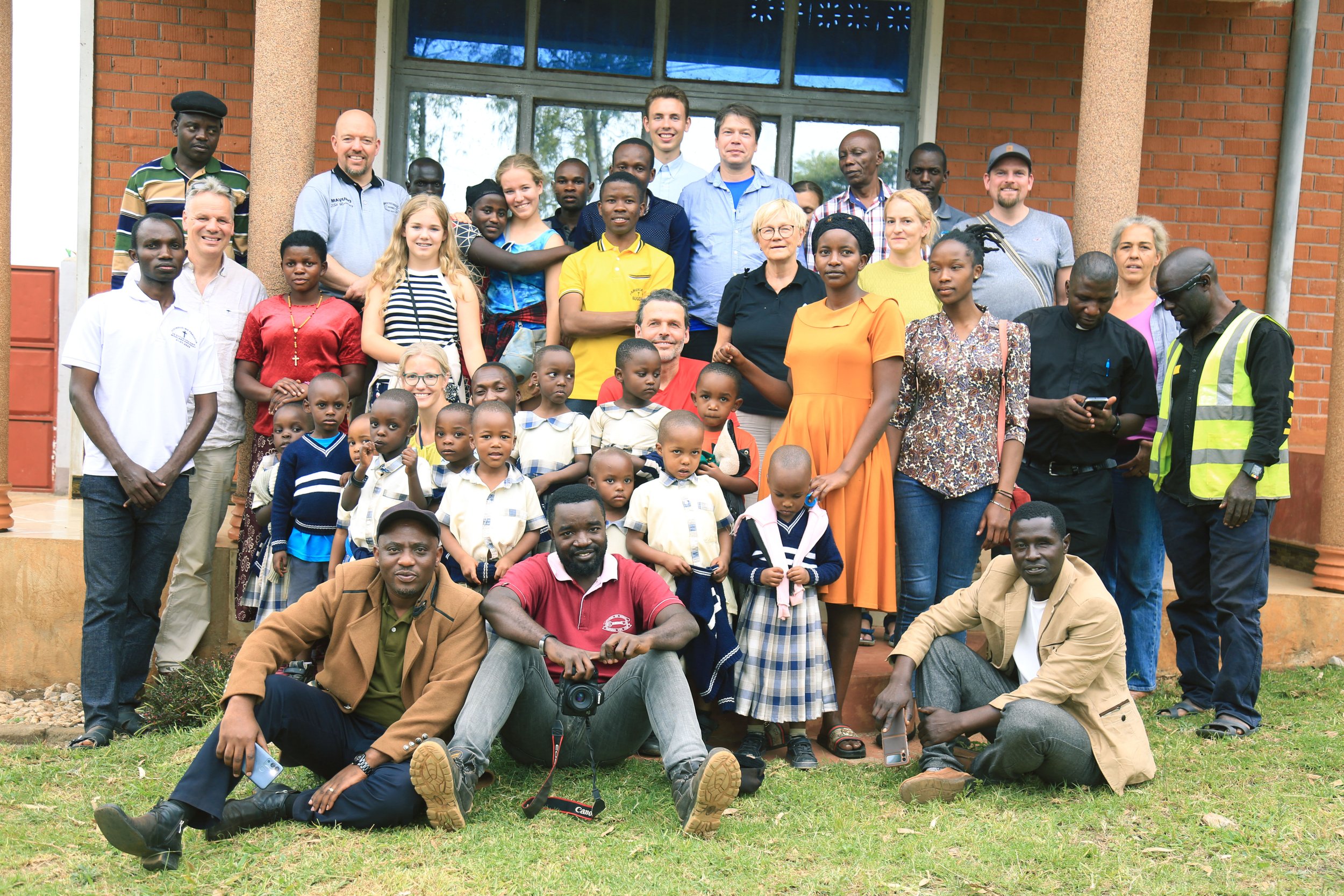
We celebrated 30 years of partnership with the Mavuno Project in Tanzania, reflecting on shared successes in education, water systems, and solar energy.

Frihamnsdagarna in GothenburgAugust 29-31
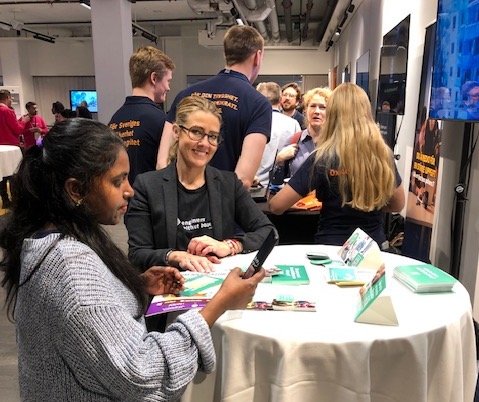
At Frihamnsdagarna, we engaged visitors through seminars and workshops, promoting the role of engineering in societal change.

How to Solve the Problem" Podcast FeatureAugust 29
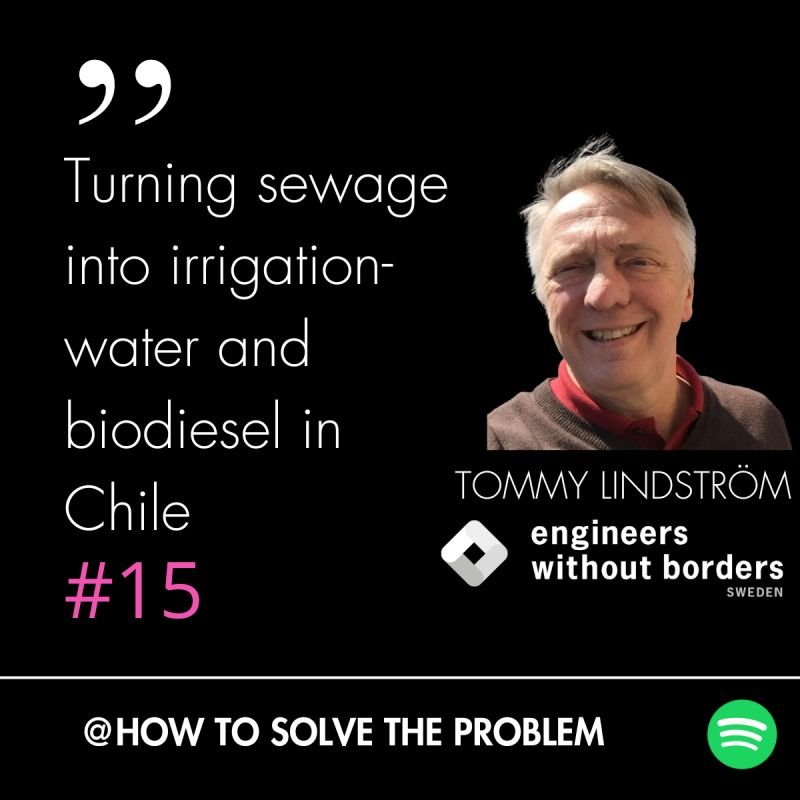
Tommy Lindström shared insights on turning sewage into irrigation water and biodiesel in Chile during this inspiring podcast episode.

Seminar on Water Challenges in Latin AmericaSeptember 3
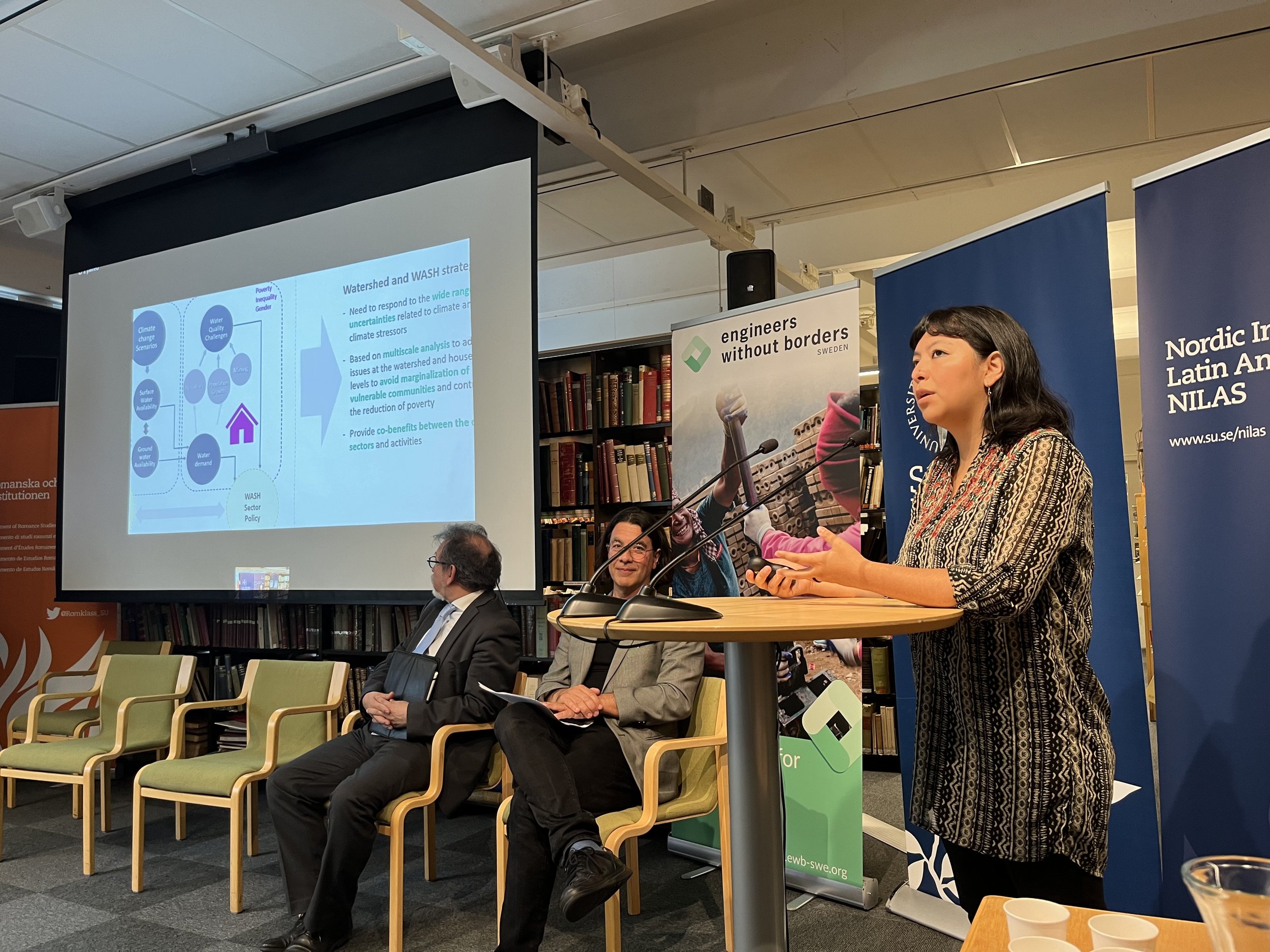
EWB-SWE co-hosted a high-level seminar with NILAS, addressing water challenges and sustainable solutions for resilience in Latin America.

SEB Next Awards FinalsSeptember 5
EWB-SWE proudly represented the engineering community, showcasing our impactful initiatives during the prestigious SEB Next Awards finals.

EWB-SWE Information meetings for new members and volunteers – 9 & 12 September

EWB-SWE & Sandvik mentorship programme pilot started – September 27

FOURTH QUARTER

Virtual Missing Maps MapathonNovember 26
With over 35 participants, our Mapathon focused on mapping critical areas in India, supporting humanitarian aid and disaster resilience efforts.

New Collaboration with Architects Without Borders SwedenDecember 11
This partnership combines engineering and architectural expertise to advance sustainable, equitable development projects globally.

Empowering Girls’ Education in TanzaniaDecember 11
Thanks to a generous donation from Sandvik, honoring Bolidens’ 100-year anniversary, critical facilities at Mavuno Upper-Level Secondary High School for Girls in Karagwe are closer to completion.

Ingenjörsdagen 2024December 13
At Ingenjörsdagen, we explored cutting-edge technologies like robotics and connected with engineers and innovators on sustainability topics.

Welcoming Westermo as a New Supporting PartnerDecember 13
Westermo joined as a partner, bringing their expertise in industrial communication to advance EWB-SWE’s mission of sustainable development.

What a remarkable year of growth and collaboration!

The above highlights are just a glimpse of all the activities that have been going on throughout the year. Beyond these milestones, our local student groups have been bustling with activity—organising team-building events, hosting lunch seminars with our partners, and leading engaging case nights. Additionally, our Board, Competence Groups, Project Committees and other engaged teams of members have held numerous meetings, workshops, and seminars, as well as participated in fairs, employment days, site visits, and much more. We have accomplished this together! We are proud and happy for our dedicated community!

Thank you for being part of our journey. Let’s make 2025 even more impactful! 🌍✨