Ingenjörsdagen 2024: A Celebration of Engineering and Innovation

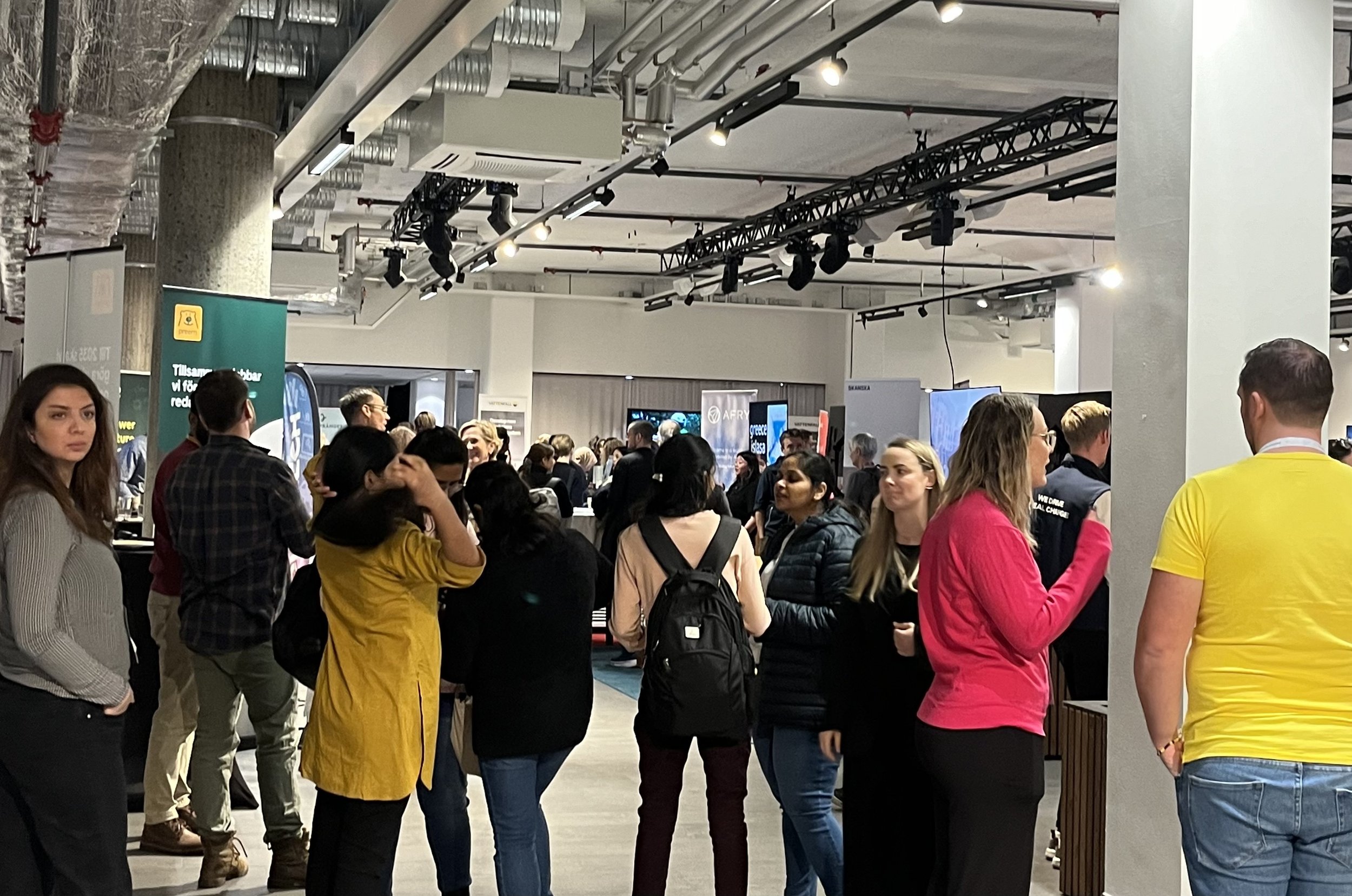
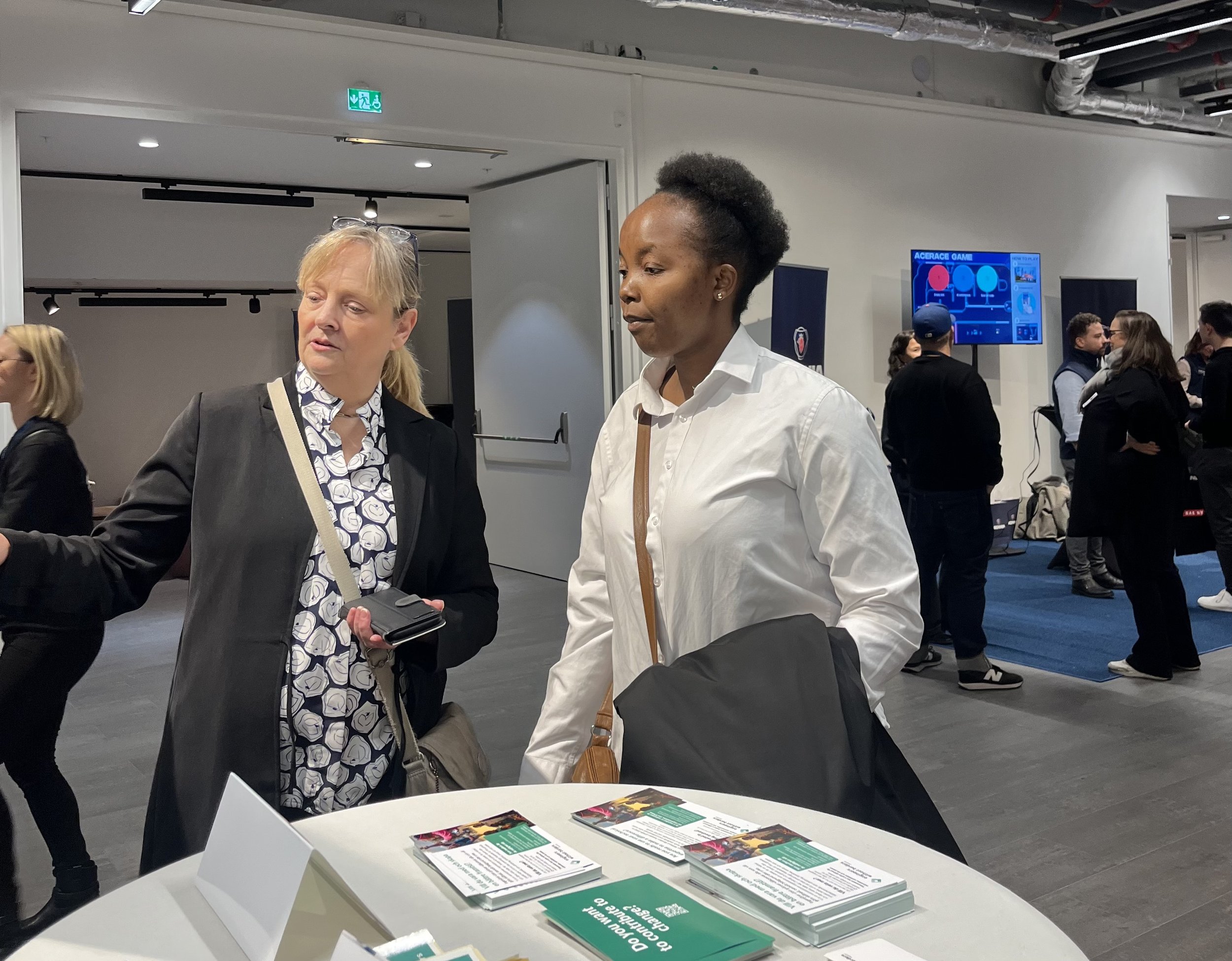
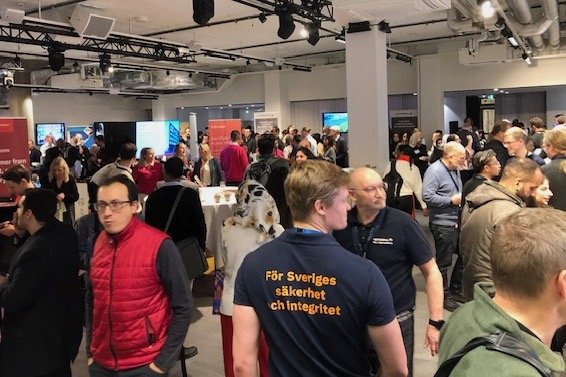
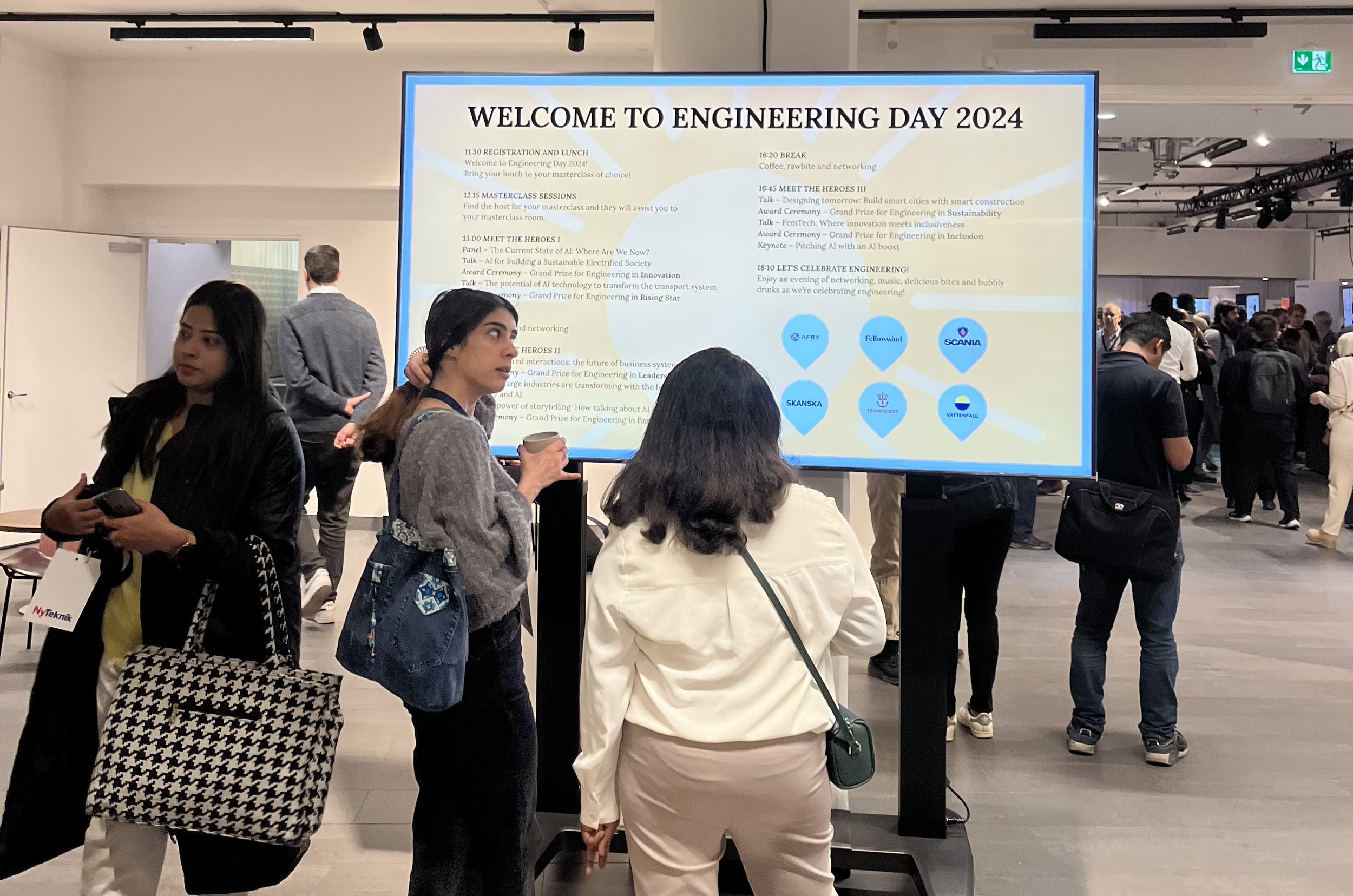
Last week, we had the pleasure of participating in Ingenjörsdagen 2024 at Sergel Hub in Stockholm. The event, hosted by Ny Teknik and Ingenjörsdagen, brought together tech students, professional engineers, and innovators to explore cutting-edge ideas and drive meaningful collaborations.

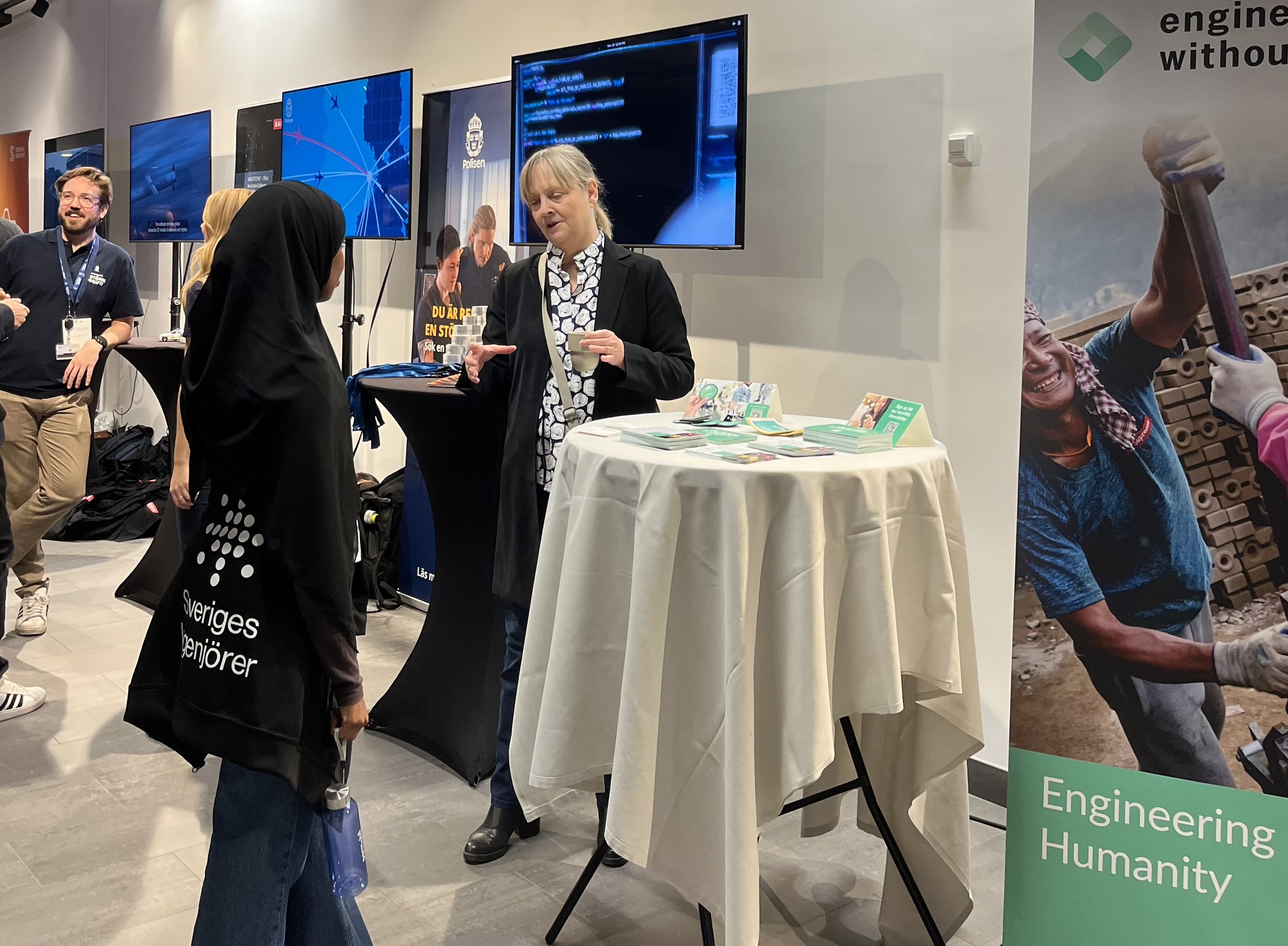
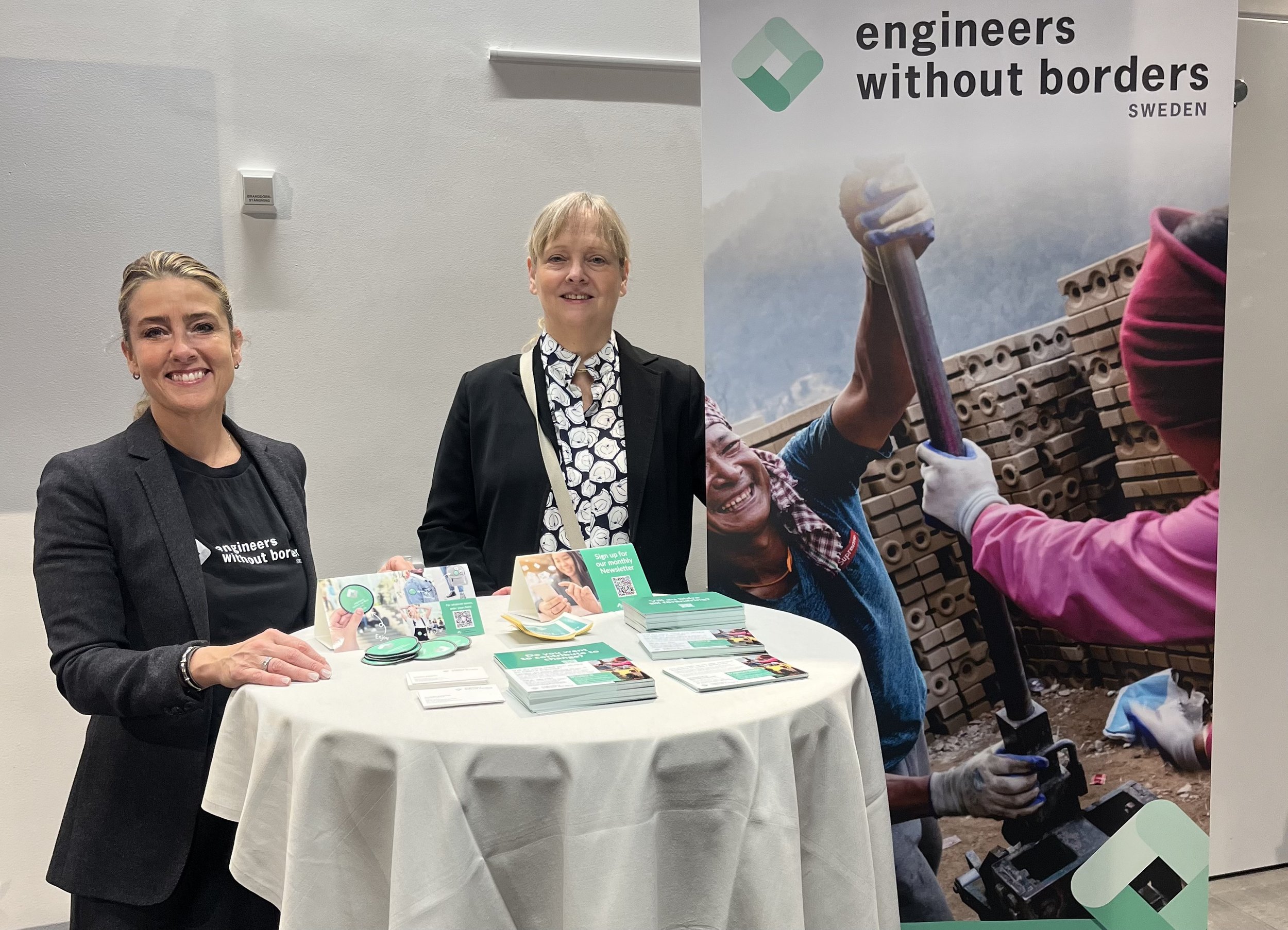
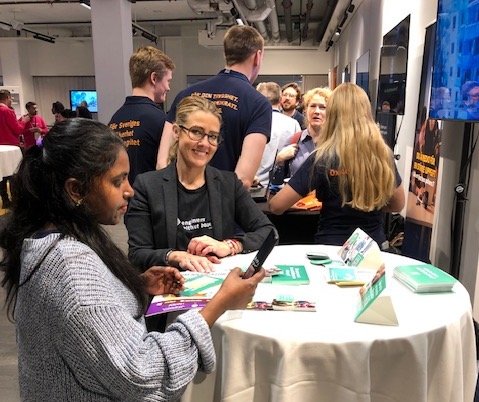
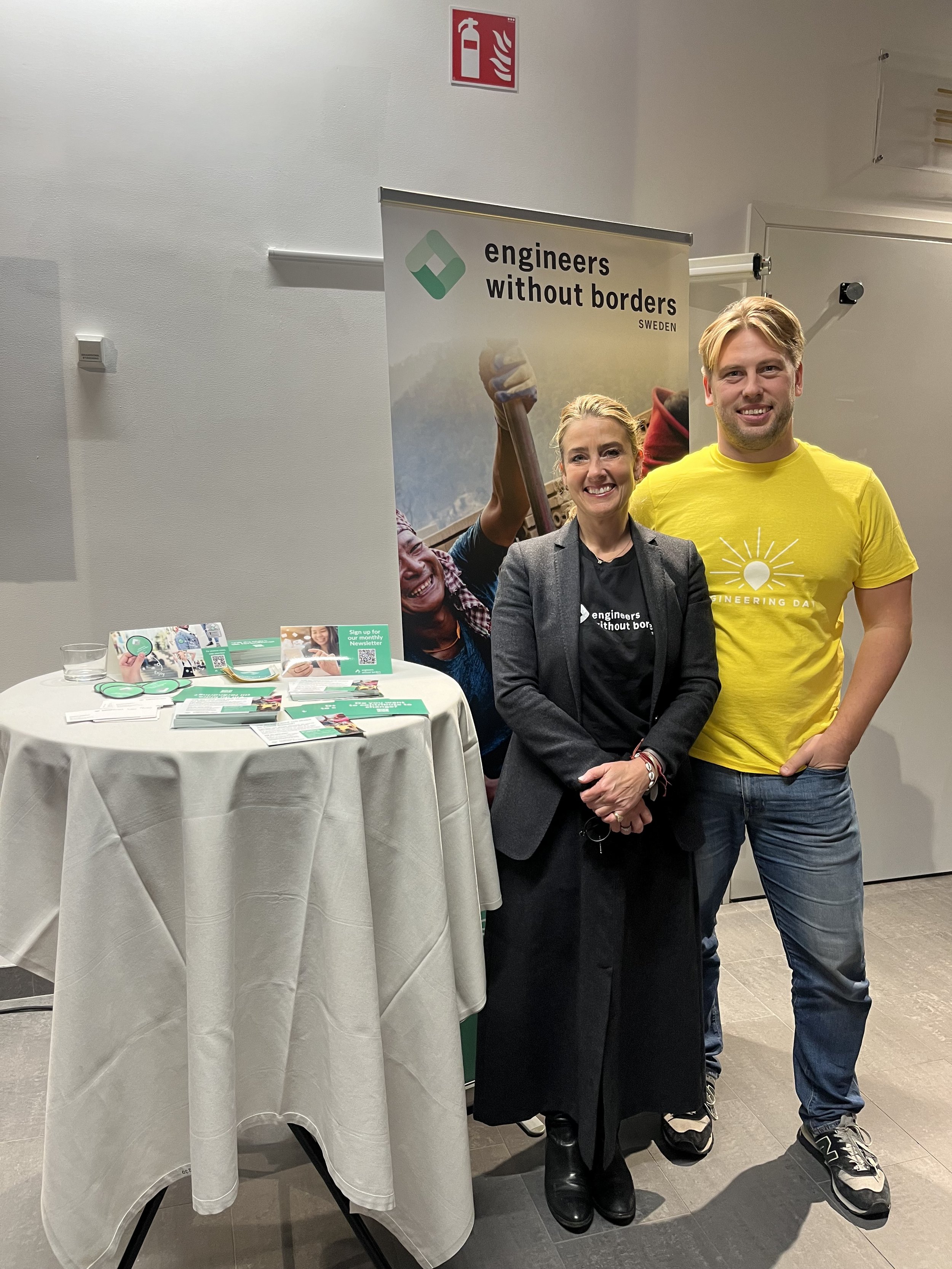
Our Engineers Without Borders Sweden (EWB-SWE) information table was a hub of activity throughout the day. Many attendees stopped by to learn more about our mission to create sustainable and inclusive engineering solutions.

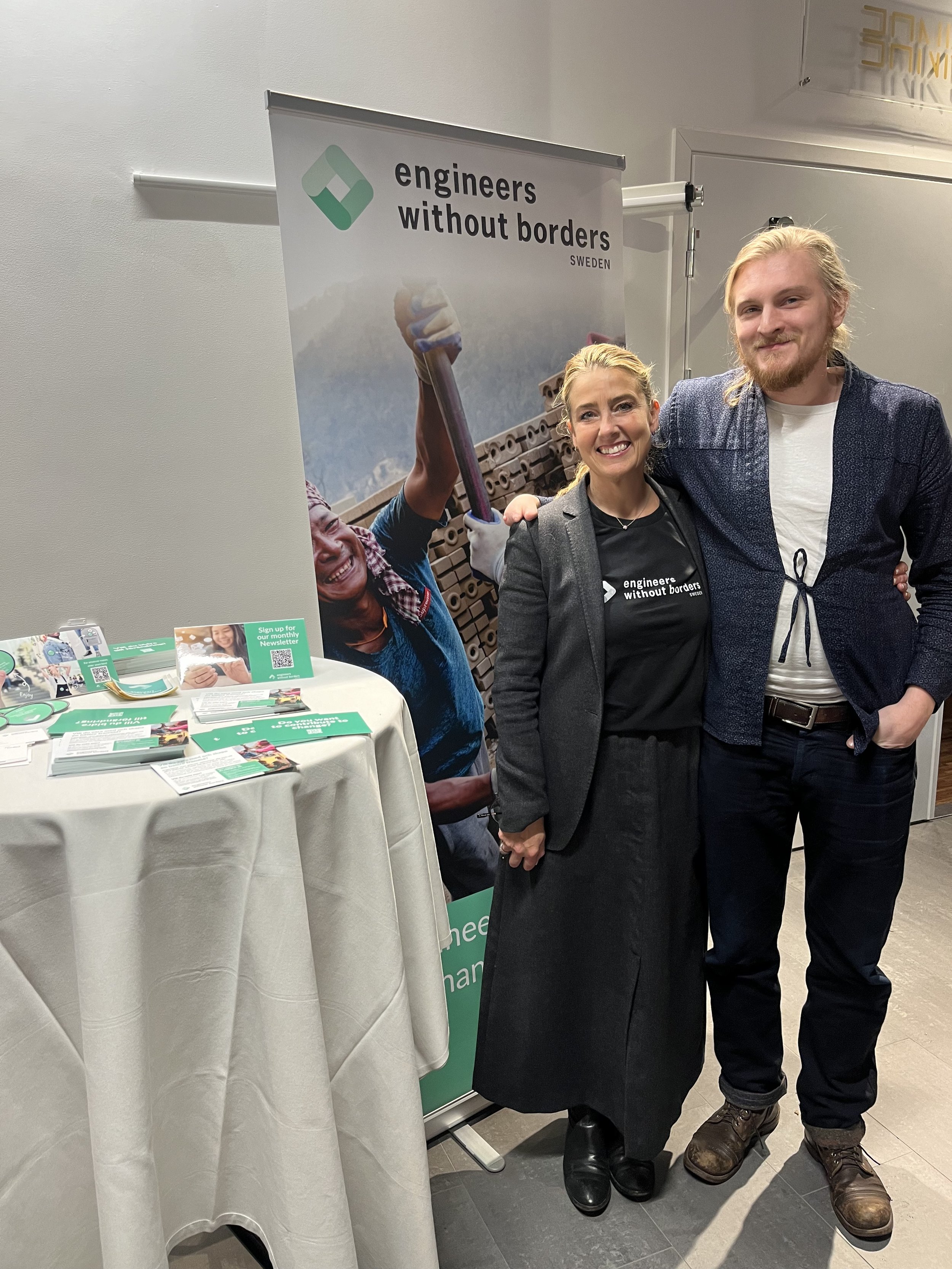
Secretary General Caroline Edelstam had the opportunity to connect with Linus Persson, CEO of Ingenjörsdagen, and other inspiring changemakers. Our Chairperson Petter Wihlborg came by to say hello.

Meeting up with Linus Persson Co-founder of Ingenjörsdagen

The highlight of the day? Interesting talks and panels on stage. But also witnessing incredible tech innovations, including a live demonstration of a robot dog, which captured the imagination of many. Events like these fuel our passion for innovation and sustainability.

See our Linkedin post with a short clip featuring the robot dog

👏 A huge thank you to Ingenjörsdagen, Linus Persson, and Ny Teknik for organising such a fantastic event. Congratulations on an outstanding success!

Let’s keep the inspiration going. Together, we can engineer a better world.
Mapping Success at the Missing Maps Mapathon

On November 26, 2024, Engineers Without Borders Sweden (EWB-SWE) hosted a virtual Missing Maps Mapathon, bringing together 35 participants from across Sweden and beyond to contribute to humanitarian mapping efforts. The results are in, and we are thrilled to share that together, we mapped an incredible 3,150 buildings and made 3,282 edits in OpenStreetMap.

This time, our efforts focused on the Sivasagar District in Assam, India, a region heavily impacted by devastating floods earlier this year. By mapping critical infrastructure such as buildings and roads, we are helping local and international humanitarian organisations respond more effectively to crises and build resilience for the future.

A Fun and Impactful Evening

Whether mapping for the first time or joining as seasoned contributors, participants enjoyed collaborating remotely to make a difference. Groups joined from cities like Gothenburg, Luleå, and even Washington, D.C., showing the global reach of this initiative.

Participants of the Mapathon shared their positive feedback on the experience:


"This was fun :) Does Engineers Without Borders have activities in Finland?"

"We had a really good time here at Chalmers. Thank you for the event!"
"It was very nice to do this, totally different experience for me. I'd like to do it more!"
"Interesting experience, will continue!"

Why This Matters

Mapping in OpenStreetMap may seem like a small task, but it has a profound impact. Each edit contributes to creating a more accurate and accessible map for areas that are underrepresented. For regions like Sivasagar, these maps are vital tools for disaster preparedness, response, and long-term planning.

Thank You to Everyone Who Contributed!

We extend our heartfelt thanks to all participants for making this event such a success. Special appreciation goes to our fantastic event hosts and trainers who made the evening smooth and engaging. Together, we are helping bridge the "map gap" and making a lasting impact for communities in need.

Let’s keep the momentum going for future events. If you’re inspired by this effort, stay tuned for more Mapathons and other opportunities to contribute!

New collab with Architects Without Borders Sweden

Engineers Without Borders Sweden (EWB-SWE) is pleased to announce a new collaboration with Architects Without Borders Sweden (ASF-Sweden) to advance sustainable and equitable development in the built environment. This partnership aims to leverage the combined expertise of both organisations to create impactful solutions for communities in need.

ASF-Sweden, founded in 2006, is a non-profit, non-religious, and non-political organisation dedicated to improving access to safe, sustainable, and equitable development of the built environment, both locally and globally. They work on projects ranging from placemaking in informal settlements to constructing essential community buildings, always emphasising participatory design in collaboration with local communities.

Emma Shepherdson, Chairperson of ASF-Sweden, expressed her enthusiasm for the partnership:

“We are pleased to collaborate with Engineers Without Borders Sweden in contributing to the global effort toward sustainable and equitable development of the built environment. Together, we can combine our expertise in architecture and engineering to create meaningful solutions that empower communities and foster positive change through interdisciplinary teamwork.”

Caroline Edelstam, Secretary General of EWB-SWE, echoed this sentiment:

“We are excited to collaborate with Architects Without Borders Sweden to promote sustainable and equitable development. By combining our expertise in engineering and architecture, we can support communities with impactful and meaningful solutions where they are most needed. Architects Without Borders plays a crucial role in creating inclusive, culturally sensitive, and sustainable designs that empower communities and enhance the quality of life for the most vulnerable populations.”

This collaboration represents a significant step toward achieving shared goals of sustainability and equity in development projects. By uniting the strengths of both organisations, EWB-SWE and ASF-Sweden aim to implement projects that not only address immediate needs but also contribute to long-term community resilience and empowerment.

For more information about ASF-Sweden and their initiatives, please visit their website.

Thank You, Sandvik: Empowering Girls Through Education in Tanzania

Engineers Without Borders Sweden (EWB-SWE) extends our heartfelt gratitude to Sandvik for their remarkable generosity in commemorating the Swedish industrial company Boliden AB's 100-year anniversary with a donation.

Sandvik’s donation will be instrumental in completing the final stages of the new Mavuno Upper Level Secondary High School for Girls in Karagwe, Kagera, Tanzania. The school building is almost ready, and the first students are expected to be welcomed next year. This contribution will greatly aid in preparing critical facilities such as computer rooms, reliable internet, and sustainable power—essential tools for a modern education.

At EWB-SWE, we strive to create lasting impact, not just for individuals but for entire communities. By empowering young women with access to education, we are helping to unlock their potential, while also driving positive change for their families and the society around them. Education has the power to transform lives, and initiatives like these ripple outward to improve health, livelihoods, and opportunities for many.

This project aligns closely with the United Nations Sustainable Development Goals (SDGs), particularly those related to quality education, gender equality, and reduced inequalities. Sandvik’s support strengthens our shared mission to create a more equitable and sustainable world, ensuring that the benefits of education extend well beyond the classroom.

Once again, thank you, Sandvik, for believing in the power of education and making a lasting impact. Together, we are paving the way for brighter futures, stronger communities, and a better world.

For more information about the school project in Karagwe and EWB-SWE's work, please visit our school project page!

EcoSan Toilets: A Sustainable Solution for Sanitation

EcoSan (Ecological Sanitation) toilets are an innovative and sustainable approach to addressing sanitation challenges, particularly in water-scarce regions. This solution is highly relevant for communities like Karagwe in Tanzania, where Engineers Without Borders Sweden (EWB-SWE) is working in partnership with local organisations to improve water and sanitation conditions.

What Are EcoSan Toilets?

EcoSan toilets are designed to promote safe sanitation while conserving water and recycling waste. Unlike conventional systems, these toilets separate urine and faeces at the source, allowing each to be treated and used beneficially. Urine, rich in nitrogen, can be diluted and used as fertiliser, while dried faeces can be transformed into nutrient-rich mulch suitable for agriculture. This approach not only manages waste sustainably but also provides a valuable resource for improving soil quality.

Key Features and Benefits

  1. Water Efficiency: EcoSan toilets require minimal water, making them ideal for areas with limited water resources.

  2. Sustainability: The reuse of waste as fertiliser supports agricultural productivity and reduces reliance on synthetic fertilisers, aligning with sustainable development goals (SDGs).

  3. Hygiene and Health: Proper separation and treatment of waste reduce contamination risks and improve public health outcomes.

  4. Cost-Effectiveness: Compared to water-intensive sanitation systems, EcoSan toilets have lower operational costs and can be implemented with locally available materials.

Implementation in Tanzania

In collaboration with local partner Mavuno Project, EWB-SWE has introduced EcoSan toilets in schools to improve sanitation for students. This initiative addresses critical challenges, including:

  • Poor sanitation facilities, which particularly affect girls’ education due to inadequate menstrual hygiene support.

  • Overburdened water systems that cannot sustain conventional sanitation solutions.

The EcoSan pilot projects have demonstrated the feasibility and advantages of this system. The design includes dehydration chambers for faeces, which are treated with dry materials such as ash or sawdust to accelerate the composting process. Urine is collected and stored separately, then diluted for agricultural use.

Challenges and Considerations

While EcoSan toilets offer numerous benefits, their implementation requires careful planning and community involvement. Challenges include:

  • Maintenance: Regular management of dehydration chambers and storage tanks is essential.

  • Cultural Acceptance: Community education and engagement are crucial to overcome any cultural barriers and ensure proper use.

  • Scaling: Expanding the EcoSan approach to more schools and communities requires investment and training.

A Step Towards Sustainable Development

EWB-SWE’s efforts to integrate EcoSan toilets into schools in Karagwe and other places, reflect a commitment to sustainability, inclusivity, and equality. By addressing water and sanitation challenges, these initiatives not only improve health and education outcomes but also contribute to long-term community resilience.

EcoSan toilets exemplify how engineering solutions can align with local needs and global sustainability goals, offering a blueprint for other communities facing similar challenges. With continued collaboration and support, we believe that EcoSan toilets could become a cornerstone of sustainable sanitation worldwide. This is something we at EWB-SWE ar working for.