Rexel Supports Solar Energy Project for Newborns in Tanzania

We are happy to announce a donation from Rexel toward our solar energy project aimed at saving the lives of underweight newborns at the Lugala Lutheran Hospital in Tanzania.

Charlotte Asplund, from Rexel Marketing Department, expressed her company's commitment: "At Rexel, we offer products and services for safer electrical installations and more comfortable properties. Alongside our customers, we aim for energy-smart, economically-smart, and environmentally-smart solutions in every project we undertake. We're both happy and proud to have donated to Engineers Without Borders Sweden to support their work in installing solar panels at the hospital in Tanzania."

Rexel raised the funds through a customer survey, donating 10 SEK for each response. "Every answer we receive in the customer survey represents a donation of 10 kronor toward EWB-SWE’s project to save the lives of 15 newborns and support quality care for 490 newborns per year due to the absence of power outages," Asplund added.

Life-saving machinery

EWB-SWE has been involved in various infrastructure projects at the Lugala Lutheran Hospital, located in the village of Lugala in Malinyi district, Morogoro region in Tanzania, including water sanitation and energy-efficient laundry facilities. 

The current project aims to install a solar photovoltaic system to provide a sustainable source of energy to the hospital’s Kangaroo Mother Care Unit (KMCU). This will ensure that life-saving machinery remains operational in the neonatal unit even when the local electrical grid fails. The KMCU is specifically designed to care for underweight newborns, providing them with a better chance for survival.

In collaboration with the hospital and our local partner, Tanzania Renewable Energy Association (TAREA), EWB-SWE will also train staff on maintaining and optimising the new solar photovoltaic system. The objective is to empower the hospital to provide continuous care, alleviating the immediate and long-term risks posed by unreliable electricity supply.

Caroline Edelstam, Secretary General of EWB-SWE, said, "Donations like these play a crucial role in the success of our ongoing projects and our long-term initiatives that aim to bring sustainable solutions and empower communities. We would like to extend our heartfelt thanks to Rexel for their support.” 


Inspired by Rexel´s initiative?

Join us in our goal to provide a sustainable energy source for the neonatal unit at Lugala Lutheran Hospital and save underweight newborns´ lives! 


New Head of Communications for EWB-SWE

Engineers Without Borders Sweden is proud to announce the newest addition to our team: Carin Balfe Arbman, who joins as Head of Communication. Beyond her primary role in communications, Carin will also be coordinating our local groups across Sweden. This dual responsibility highlights our commitment to strengthening the national engineering community's connections and collaborations.


Secretary General, Caroline Edelstam, shared her thoughts on the appointment: "Carin's vast experience not only in communication but also in the tech and start-up sectors, as well as non-profit organizations, is very valuable. We believe her unique perspective and skills will play a crucial role in expanding our reach and driving our mission forward."

Carin’s latest position was as National Communications Manager for the Swedish youth organisation Fryshuset. And she previously worked as Communications Manager for the Swedish Ag-tech and innovation company Plantagon International.

This is a significant step for Engineers Without Borders Sweden as we continue our journey in promoting engineering as a tool for positive change, emphasizing its role in sustainability, foreign aid, and engineering education. Join us in welcoming Carin to EWB-SWE!


Greetings from our Secretary General!

Caroline is the newest addition to the management team of EWB-SWE. Join us as we reflect with her on the first months with us and most importantly what is the pipeline for the rest of the year for the organization.

>Two months on the job. What are your initial thoughts and how has it been so far?

It has been two very interesting months in learning more about the organization, its supporters and all the important work EWB-SWE conducts and the actual impact the organization has for communities in need. The incredible, warm spirit of everyone volunteering and committing to all our work and projects is very inspiring, how we together can work for a better and more sustainable future. Further, it has been very interesting to discover all designs and creative solutions to real-world problems and sustainable development projects that are innovative and community centered.

>What are the plans for the fall and beyond?

After the summer will be quite exciting for all of us at EWB-SWE as we will present a new strategy for our international projects and continue to push projects that have been active or moving at slow speed following the pandemic. We are keeping a strong focus on fundraising so we can contribute more to our projects and we are already starting planning for upcoming campaigns - “Giving Tuesday '' on November 28th and year-end giving around Christmas Campaign. We are also working to launch a new feature for everyone willing to make their support last with monthly donations.

Our important work with Missing Maps continues and we will be back with more news on our upcoming mapathon after the summer holidays. Another exciting news is the launch of “Meet our Partners”, a series of interviews with our partners to talk about our collaboration and achievements together.

Last but not least, we will start in October the third edition of our Connect Mentorship Program in collaboration with our main partner Sandvik that aims at sharing knowledge and increasing insight about both organizations through pairing between their Global Graduates and our local groups. 

>Anything else?

Yes! EWB-SWE is now a proud member of The West Sweden Chamber of Commerce, a privat and politically neutral organization working to strengthen the region's business community. This collaboration gives us a wonderful opportunity to work with integration and sustainability in the region.

And I look forward to working with all of you and wish you a happy summer!

// Caroline Edelstam

Bangladesh: addressing health and water quality issues

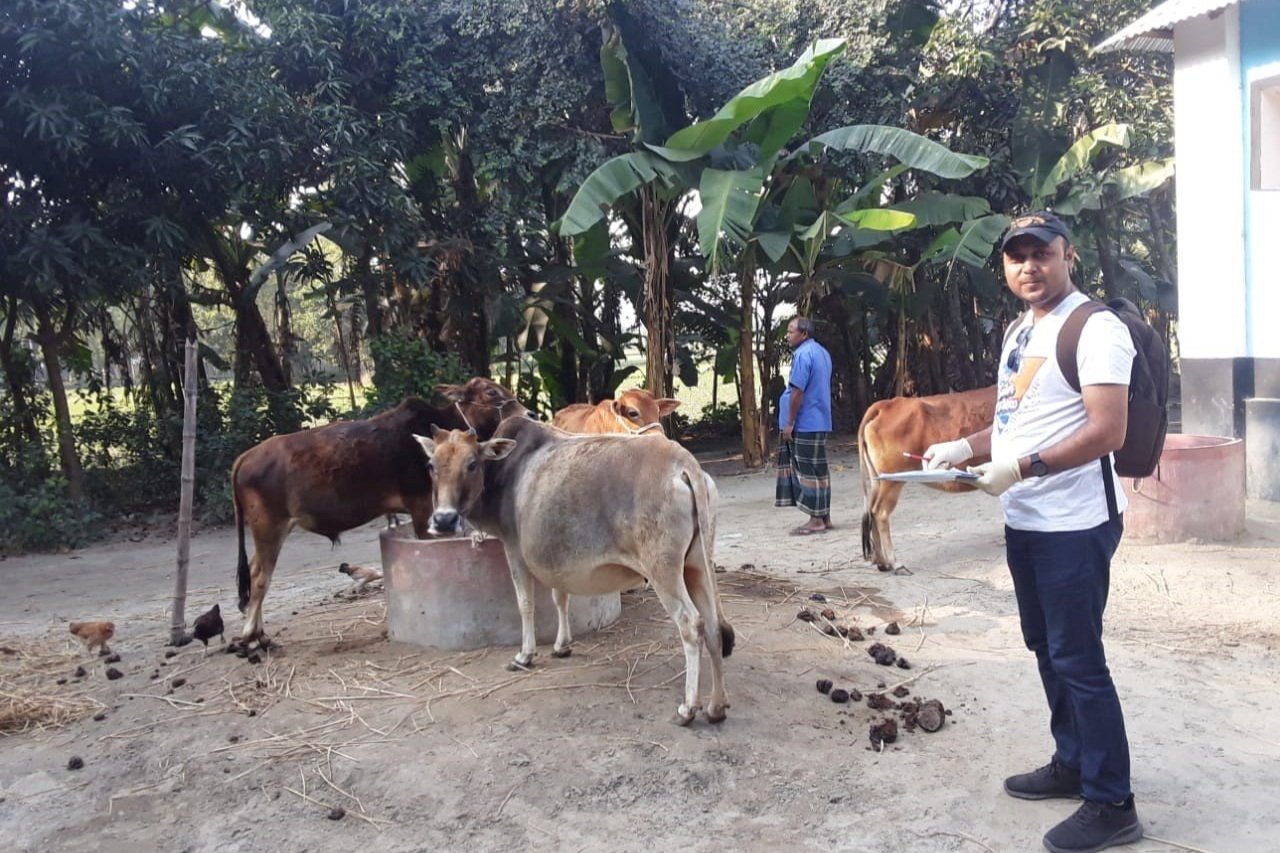
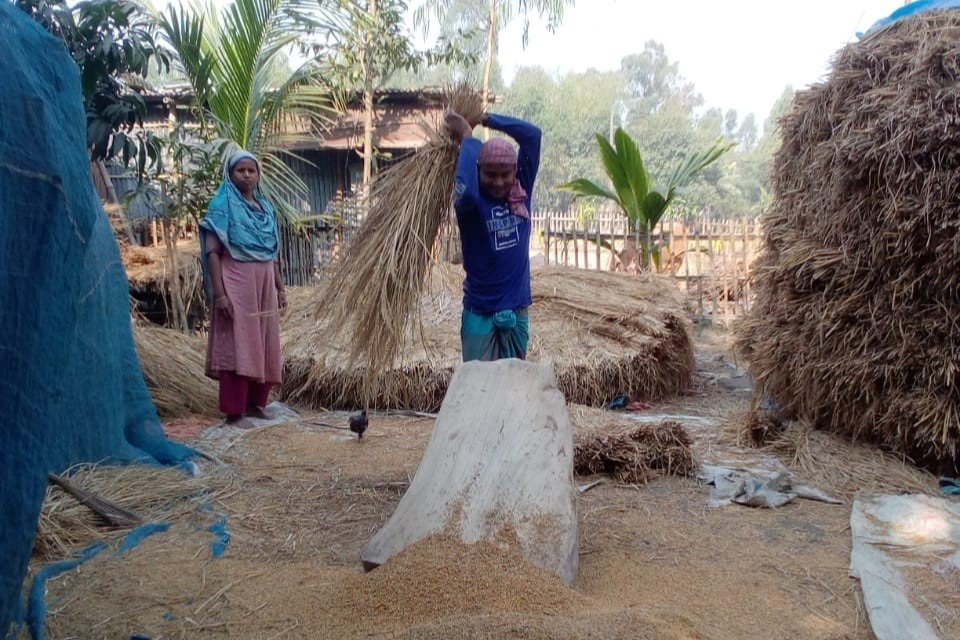
About 25 million people in Bangladesh do not have access to clean drinking water and 40% of the population is affected by health issues caused by dirty water while it is the first cause of death among children. The village of Goaldihi experiences a similar situation to the rest of the country with a stressed water situation and a population suffering from many illnesses such as diarrhea assumed to be linked to poor quality water consumption and even leading to some deaths.

Pre-study

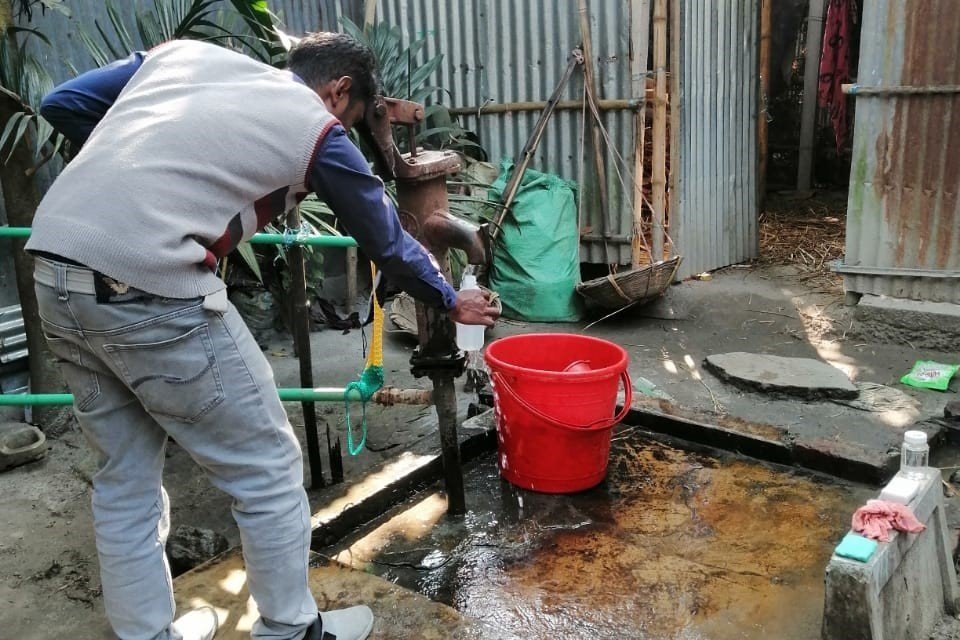
Previous tests in the village revealed the presence of a coliform bacteria E-coli in the wells confirming that water is the rooting cause of the health issues that also increase significantly during the monsoon as mosquitos and other bacteria thrive in these conditions. With a lack of knowledge of the current water situation in the village, further information was required to be able to address the health and water quality issues in the best way for the population.

Between 2020-2023 EWB-SWE conducted a pre-study to find the main issues of water contamination and to find potential solutions for the problems in hand. After months of planning, water quality tests, surveys and more, the project team has now been able to point out the main issues to the water contamination and sanitation issues as well, and suggest solutions that are economically feasible to increase the quality of the drinking water.

Issues and solutions

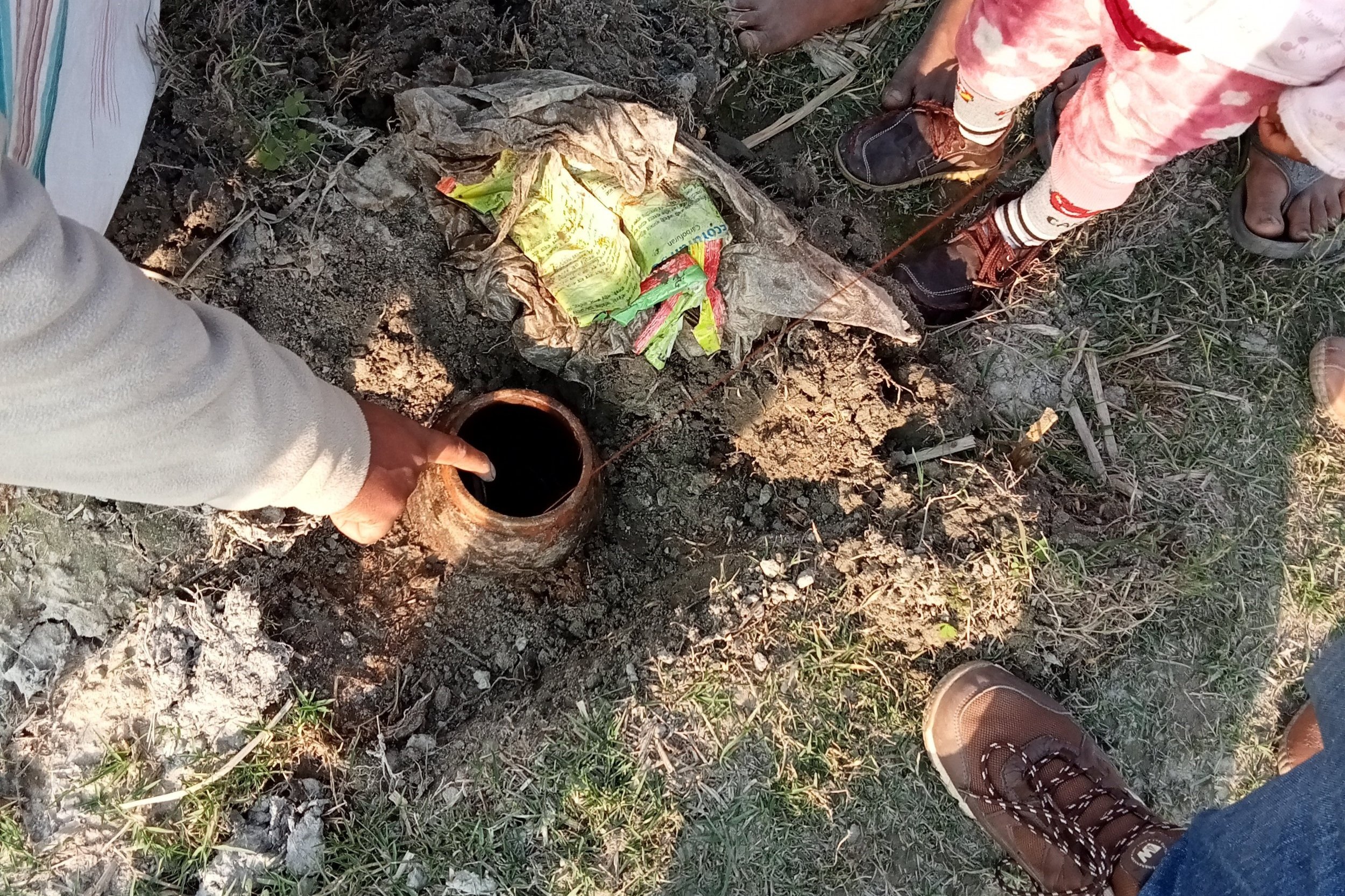
One of the first causes to water contamination identified is animal waste runoffs as the terrain is flat and part of riverine is flood plains. Another cause is the proximity of the tube wells next to pit latrines. Our survey data also shows a very high-water table of 2.5 meters. This is disadvantageous as the minimum vertical distance between the bottom of latrine pits and the water table should be at least 2 meters.

Based on this analysis, the project team has evaluated and proposed two different solutions for safe drinking water (raised deep tube wells which can be powered by solar cells and ceramic filtration which is an old but effective to purify water), two solutions for safe sanitation (composting toilets and elevated pit latrines), together with a sludge management solution (biogas).

Next step

Based on the survey done by our local partner BRIF with the village as their preferred solution, we will implement the solution consisting of raised deep tube wells with solar cells to supply the village with safe drinking water in the comin months.

We are grateful to our supporters for their funding in this key phase of our project: Vatten och Miljökonsulterna AB, HVR Water purification AB as well as everyone that participated in Marcus Nilsson´s fundraising campaign. We  also extend a special thanks to all the volunteers donating their time and expertise toward this project.

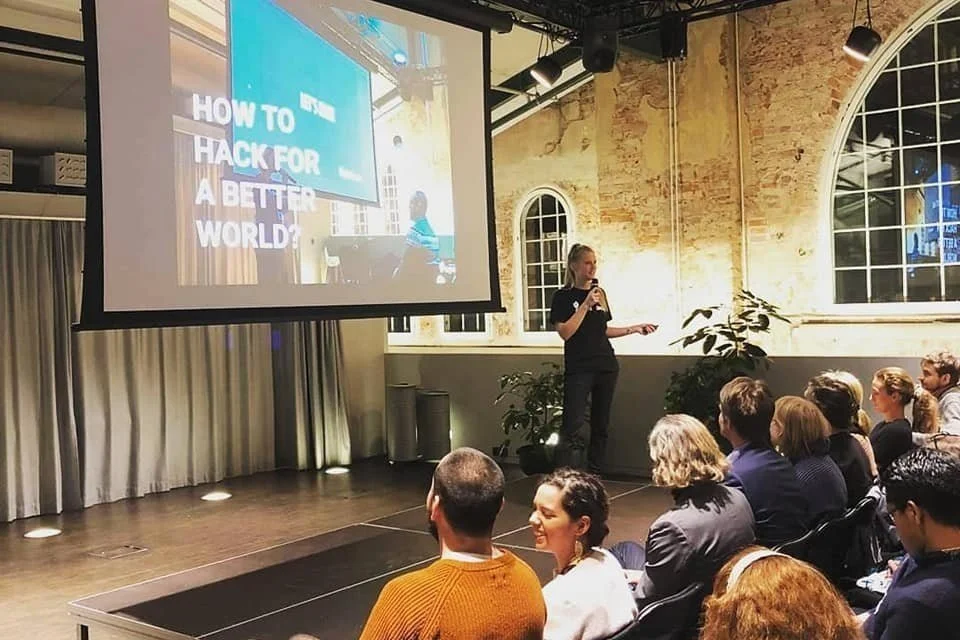
Openhack - Coding for Humanity joins EWB-SWE´s venture

EWB-SWE is pleased to announce the takeover of openhack to further invest in and develop socially sustainable solutions with humanitarian benefits.

Founded in 2015 as a project under Engineers Without Borders Sweden to answer pressing societal and humanitarian challenges through open source development, openhack grew into a subsidiary in the following years. In line with our digitalization strategy, EWB-SWE is now fully taking over the social company and collaborative community with one purpose: continue to solve challenges related to the Global Goals and Agenda 2030 through innovation.

- There are many good ideas, a strong will for innovation and a great entrepreneurial spirit in Sweden that we must cultivate and create conditions for. This is an important investment in our digitization strategy to be able to influence around the world. It is essential that we work together for social impact and increase collaborations in order to reach the Global Goals and create a better and more sustainable world, says Caroline Edelstam, Secretary General of EWB-SWE.

15 events and 10,000 participants

openhack is Sweden's hackathon pioneer and has won the CIO Awards as Digital Inspirer of the Year. To date, it has organized 15 successful hackathons on a physical, digital and hybrid basis in the last years, bringing together over 10,000 participants taking over 60 different humanitarian and social impact-oriented challenges.

Among these events, Hack the Crisis Sweden organized in 2020 during the pandemic broke record numbers with 7,500 people participating in the event, 160 partner organizations joining and supporting the initiative, leading to 530 solutions to different societal challenges. Just Arrived, BrightAct and VoiceMed, among others, are some of the startups that were successfully launched from the ideas. 

Welcome on board openhack!

- This is the beginning of an important collaboration where we have the opportunity to influence in a larger, international context. With EWB-SWE’s national and international network and unique engineering expertise, we can broaden our operations. Openhack has a large potential and we get a greater opportunity to create humanitarian benefits through innovation and social impact together, says Lukas Scheffer Leander, co-founder and CEO of Openhack.

We look forward to taking the next step in bringing together organizations and tech-volunteers to meet and exchange ideas and knowledge to advance humanity.


For more information on the venture, you can read our press release here (in Swedish) and reach out to Caroline Edelstam, caroline.edelstam@ewb-swe.org.

For more information on openhack, visit their website.